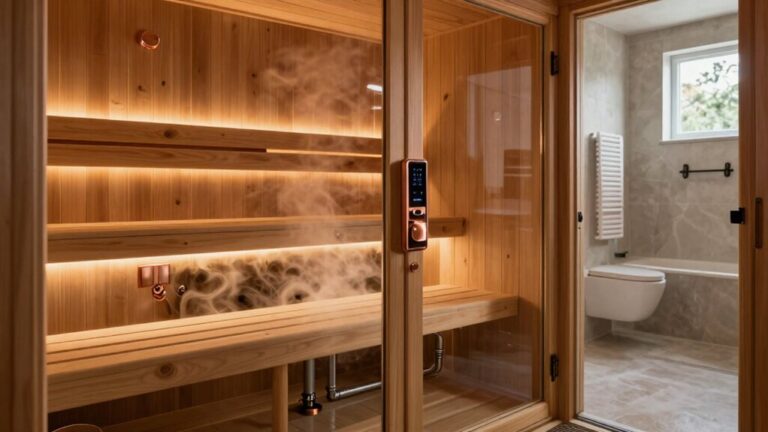
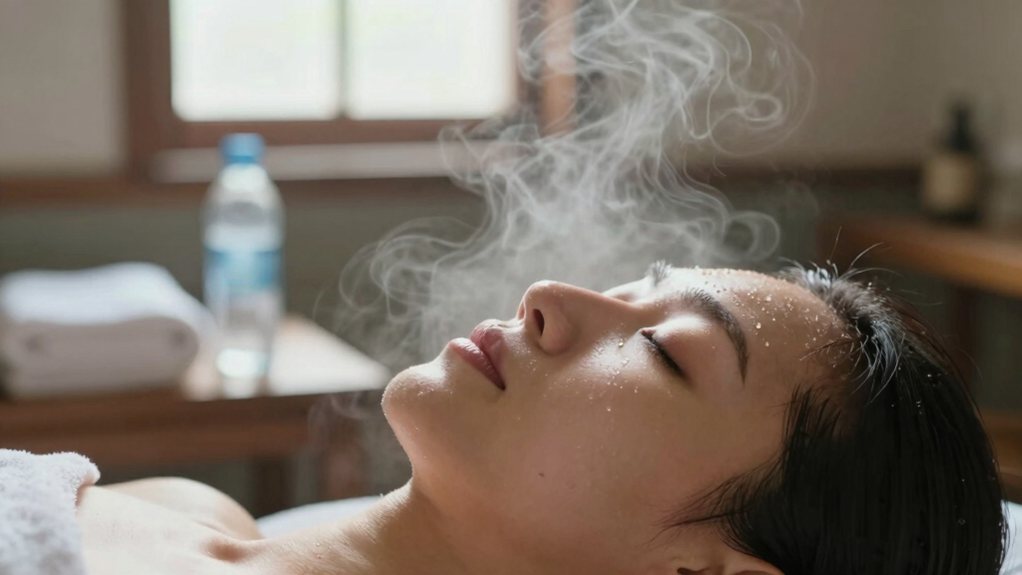

Research suggests a steam room can be a helpful tool for asthma, but it’s not a cure-all. The warm, moist air acts like a gentle hug for your lungs, loosening thick mucus so you can cough it up more easily. It may also relax your airways and ease congestion.
However, that same hot humidity can irritate and trigger an attack for some, so you must check with your doctor first and always listen to your body.
Does a Steam Room Help Asthma Symptoms?
Have you ever wondered if the steamy warmth of a steam room could actually help someone with asthma breathe a little easier? Research suggests it might help some people.
The moist heat acts like an expectorant, loosening thick mucus in your airways so you can cough it up more easily. This can clear congestion and ease coughing. The warmth may also relax your bronchial muscles and reduce some inflammation. For example, steam can relieve nasal and bronchial congestion by hydrating your respiratory tract and loosening mucus.
One study even showed improvements in symptoms like shortness of breath after regular steam use. However, it’s not a magic cure for everyone. For some, the hot, humid air can actually irritate sensitive airways and trigger wheezing. It’s important to note that while it may provide transient improvements in pulmonary function, it is not a replacement for prescribed medical treatment. It’s a good idea to talk to your doctor before you try it.
What Happens to Your Lungs in Steam Heat
When you breathe in warm, moist air from a steam room, it can help relax your airways, making it a bit easier to breathe. This heat also loosens thick mucus, helping your body clear it out more effectively. It’s like giving your lungs a warm, gentle hug that can ease congestion. Regular use can build respiratory resilience, improving your defense against illness. However, for some individuals, exposure to hot air can irritate airways and trigger coughing, particularly in those with inflammatory conditions.
Airway Relaxation Effects
Imagine your lungs getting a warm, gentle hug from the inside; that’s basically what happens when you breathe in steam. That moist heat works like a sauna for your airways, relaxing your bronchial muscles. This reduces their tightness and hyperresponsiveness, which is a big deal for asthma. However, it is important to note that for some individuals, heat and humidity may trigger bronchospasm. To support overall respiratory health, the steam can also clear congestion by loosening mucus.
Think of it as the steam helping to open a constricted straw, making it easier to pull air through. The warmth also changes your breathing pattern naturally, encouraging slower, deeper breaths instead of rapid, shallow ones. This thermal stimulation soothes irritated tissues and improves ventilation, easing that familiar feeling of resistance.
Mucus Clearance Mechanism
Beyond the relaxing warmth that opens your airways, steam heat also tackles a key asthma challenge: sticky mucus. The warm, moist air acts like a natural expectorant, hydrating your respiratory tract from your nose down to your lungs. This hydration thins out thick, stubborn mucus, lowering its viscosity so it’s less glue-like. That makes it much easier for your body to clear it out.
Steam also gives your cilia, the tiny hair-like cleaners in your airways, a boost. Hydrated cilia work better, improving mucociliary clearance to sweep mucus away. This process loosens plugs in your bronchial tubes, clears congested passages, and helps you breathe more freely by supporting your lungs’ own cleaning system. Research in patients with chronic pulmonary disease has specifically investigated the effect of steam inhalation on this mucociliary activity. This mechanism for mobilizing mucus is a shared benefit in both steam therapy and controlled sauna environments during respiratory recovery.
How Steam Loosens Mucus and Eases Breathing
How does warm steam actually help clear your stuffy nose and lungs? The warm, moist air directly hydrates your mucous membranes, which are the linings of your airways. This hydration works like adding water to thick glue, loosening the sticky mucus trapped inside.
The heat and moisture work together to thin these secretions, making them easier to cough or blow out. This process, called mucociliary clearance, helps sweep debris upward and out of your respiratory tract. This improved clearance is a key reason regular steam sauna use has been shown to reduce the incidence of common respiratory illnesses like the common cold. This warming effect can also provide temporary relief from other discomforts, such as throat irritation.
For your breathing, this action opens up your airways and soothes inflammation, letting you take deeper, easier breaths. While it’s often temporary relief, this mechanism is why steam can provide a comforting sense of clearing congestion.
Steam Room Risks That Can Trigger Attacks
You should know that steam rooms can sometimes trigger asthma attacks, especially because their high humidity can irritate and narrow your airways.
The extreme heat itself is another major trigger, as it can tighten your breathing passages and worsen symptoms.
Also, be mindful of scald injury risks from hot surfaces, which add another layer of danger to an already tricky environment.
High Humidity Concerns
Could stepping into a steamy environment actually tighten your airways? Research says yes.
For those with asthma, hot, humid air can quickly trigger airway constriction, nearly doubling the effect of cold, dry air. This happens because the heat and moisture activate specific nerves in your lungs, making your airways narrow. It can even start a cough reflex.
Plus, high humidity is a playground for allergens. It lets dust mites and mold thrive in your home, and it traps irritants like pollen and ozone in the air you breathe. This combo of nerve activation and poor air quality creates a perfect storm for worsening asthma symptoms, making steamy rooms a risky space.
Extreme Heat Triggers
Beyond the humidity, the intense heat of a steam room itself can be a direct challenge for your lungs. Extreme heat is a well-known asthma trigger. It can cause your airways to tighten and become inflamed, making it harder to breathe.
Think of it like a rubber band left in the sun, it becomes less flexible. Your airways can react in a similar, uncomfortable way. This bronchoconstriction, combined with the physical effort of simply being in a hot room, may quickly lead to coughing, wheezing, or chest tightness.
If you know heat bothers your asthma, a steam room might be too risky. It’s a powerful one-two punch of high temperature and moisture that your airways may not appreciate.
Scald Injury Risks
Have you ever considered how a simple, home steam treatment might carry a surprising danger? Steam inhalation over a bowl of hot water is a common practice, but it can lead to serious scald injuries.
If you accidentally knock the bowl, boiling water can spill into your lap or onto your chest, causing severe burns. These injuries often need long hospital stays and surgeries.
Children are especially at risk, making up over a third of these scald cases. Experts now warn against using bowls and suggest safer methods, like sitting in a steamy bathroom instead.
It’s important to know these risks to protect yourself and your family from preventable harm.
Who Should Avoid Steam Rooms Completely

While the idea of a steam room might seem soothing, it’s important to know that for some people, it’s a place to skip entirely. If you have severe asthma, the hot, wet air can trigger wheezing and make breathing very hard, possibly sending you for your rescue inhaler.
Anyone with a heart condition must get a doctor’s clear yes first, as the heat strains your cardiovascular system. Pregnant individuals should also consult their doctor due to risks of overheating. If you’re recovering from an illness or surgery, steam can slow your healing.
Finally, steam rooms aren’t for young children or babies. The steam can cause serious scald burns, and the risks far outweigh any rumored benefits.
How to Use a Steam Room Safely With Asthma
So, how can you safely enjoy a steam room if you have asthma? First, always talk to your doctor. They’ll help you decide if it’s right for you.
Start slowly with short sessions at a comfortable temperature, like a warm, misty day. Pay close attention to how you feel. If breathing gets harder, step out.
Choose a clean, well-ventilated steam room to avoid breathing in mold or irritants. Don’t sit right next to the steam outlet; instead, relax farther back where the air is gently moist. Think of it like testing bath water, you ease in.
Keep your inhaler nearby, just in case. By taking these careful steps, you can find out if steam helps your breathing feel easier.
How Often to Steam for Lasting Benefits
Now that you know how to use a steam room safely, you might wonder how regular your sessions should be to really help your breathing. Research shows consistency is key. For lasting benefits, aim for short 10-15 minute sessions twice daily for at least a week: this can quickly improve your oxygen levels.
For long-term resilience, studies link three to four sessions per week with a much lower risk of respiratory problems. In fact, four or more weekly sessions were tied to a 37% lower pneumonia risk over years.
Think of it like training your lungs. Regular steaming helps loosen phlegm, reduces inflammation, and builds your airways defense over time, leading to better control and fewer flare-ups.
Steam Rooms vs. Saunas: Which Works Better?

Ever wonder which is better for your health, a steam room or a sauna? It depends on your goal. Saunas use dry heat up to 195°F, which penetrates deeply for muscle relaxation. Steam rooms are cooler but have near 100% humidity, which raises your core temperature quickly.
For clearing stuffy sinuses and easing breathing, the steam room’s moist air works better. However, saunas have stronger research for heart health and reducing long-term inflammation. If your muscles are sore after a workout, steam might soothe them more, but saunas boost metabolism. Both relax you and fight inflammation, but saunas have more science backing their wider benefits. Choose steam for congestion, sauna for your heart.
Frequently Asked Questions
Does It Help COPD Like It Helps Asthma?
Yes, steam therapy can help COPD by loosening mucus and easing expulsion from your airways.
Research also shows warm, humid environments temporarily relieve respiratory inflammation and can improve your lung function parameters.
Can Steam Room Use Reduce My Asthma Medication?
No, steam rooms cannot replace your medication. They may offer adjunctive relief for symptoms, but they don’t treat asthma’s underlying cause.
Always follow your doctor’s prescribed treatment plan.
Does Steam Room Therapy Lower Infection Risk?
Yes, it can lower infection risk. Steam rooms may reduce transmission through heat, but they don’t consistently activate your immune system like saunas, and poor hygiene increases your contamination risk.
Will It Improve My Exercise Tolerance With Asthma?
Yes, it can. Steam inhalation of fully saturated, body-temperature air before exercise may prevent airway obstruction and improve your tolerance by reducing inflammation and keeping airways moist.
Is There a Specific Temperature That Works Best?
Optimal clinical steam inhalation uses temperatures from 48–80°C, but you’ll find the safest room temperature for daily asthma management is 20–22°C.
Your personal tolerance varies, so consult your clinician first.
Final Thoughts
So, steam can help you if you’ve got asthma, but you’ve got to be smart about it. Think of it like a tool that loosens mucus, making it easier to breathe. However, it’s not for everyone, and the intense heat can sometimes trigger an attack.
If you decide to try it, start slow, keep sessions short, and always listen to your body. It’s a helper, not a cure.