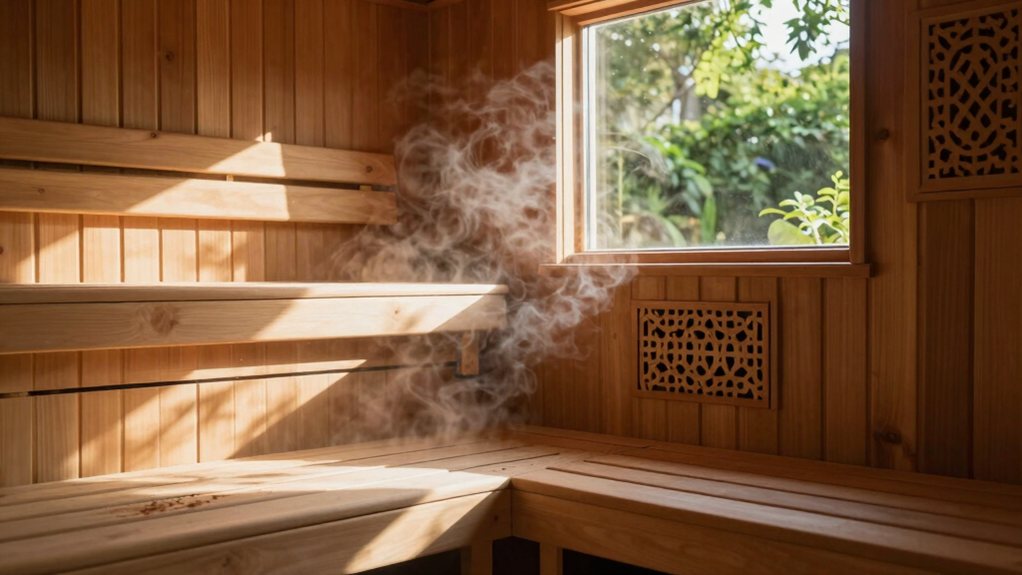

Natural ventilation features are key to improving sauna health. By guaranteeing that fresh air flows in and stale air flows out, you improve air quality and comfort. Installing lower intake vents near the heater brings in fresh air, while upper exhaust vents near the ceiling help remove stale air. This balance creates a healthier environment, supporting your respiratory system and improving circulation. Want to uncover more ways to boost your sauna experience? Keep exploring!
What You Need to Know About Sauna Ventilation?
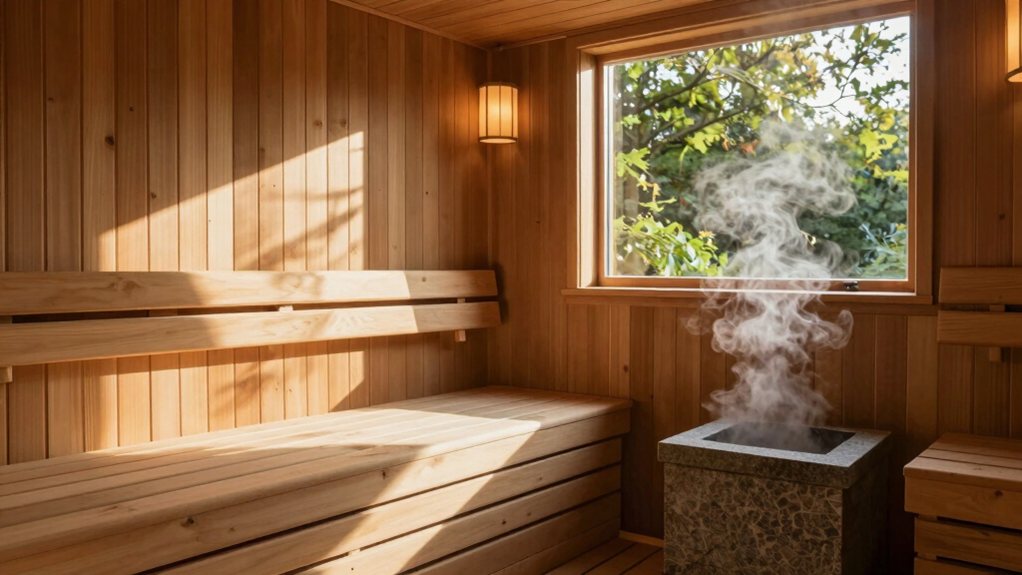
Have you ever wondered why proper ventilation is key to enjoying your sauna experience? Understanding sauna ventilation means knowing how fresh air flows in and stale air flows out. You’ve got two options: passive and active systems.
Proper ventilation is essential for a great sauna experience, ensuring fresh air flows in while stale air flows out.
Passive ventilation relies on natural airflow, making it perfect for most home electric saunas. On the other hand, active systems use fans for consistent air circulation, but they can be pricier. Proper ventilation is crucial for maintaining ideal air quality and reducing the risk of dizziness during your sessions. The Cedar Sauna Vent Box, made from furniture-grade western red cedar, can help facilitate this airflow.
When setting up, position your lower intake vent about four inches from the floor, near the heater. Meanwhile, place the upper exhaust vent six inches from the ceiling.
With the right design—like adjustable vents or cedar materials—you can tune the airflow to fit your mood, helping you soak in that relaxing, steamy atmosphere!
Benefits of Enhanced Air Quality During Sauna Sessions
How much better could your sauna experience be with improved air quality? With better air, you’re likely to breathe easier and feel rejuvenated. Improved ventilation helps increase lung capacity and boosts essential functions, like your forced expiratory volume. You might notice you can exercise longer and feel more energetic during your workouts. Plus, the heat can loosen mucus, making it easier to expel, which means less discomfort. Enjoying saunas regularly can even lower your risk of respiratory diseases and improve your overall health. Regular sauna use has been associated with significant reductions in sudden cardiac death and cardiovascular disease mortality. Additionally, exposure to high temperatures in a well-ventilated sauna can promote better blood circulation, enhancing the overall detoxification process.
How Proper Ventilation Supports Your Respiratory Health
Ever wondered why proper ventilation makes such a difference in your sauna experience? Good ventilation is essential for your respiratory health, keeping the air fresh and your lungs happy. Here are three benefits you can enjoy:
Understanding the importance of proper ventilation can transform your sauna experience.
- Better Oxygen Supply: Active ventilation reduces carbon dioxide levels, so you get more oxygen, helping you breathe easier during your sessions. This is particularly important as sauna use improves lung function, letting you maximize your breathing potential. Additionally, maintaining good ventilation can enhance blood flow in lung tissue, allowing for an even more beneficial sauna experience.
- Easier Breathing: The warm, humid air loosens mucus, making it simpler to clear your airways and relax bronchial muscles.
- Stronger Immune Support: Proper airflow helps improve your body’s defenses against respiratory infections, keeping you healthier overall.
With these advantages, you’ll feel the difference as you rejuvenate your body and mind in the sauna!
How Airflow Affects Your Circulation and Detox?
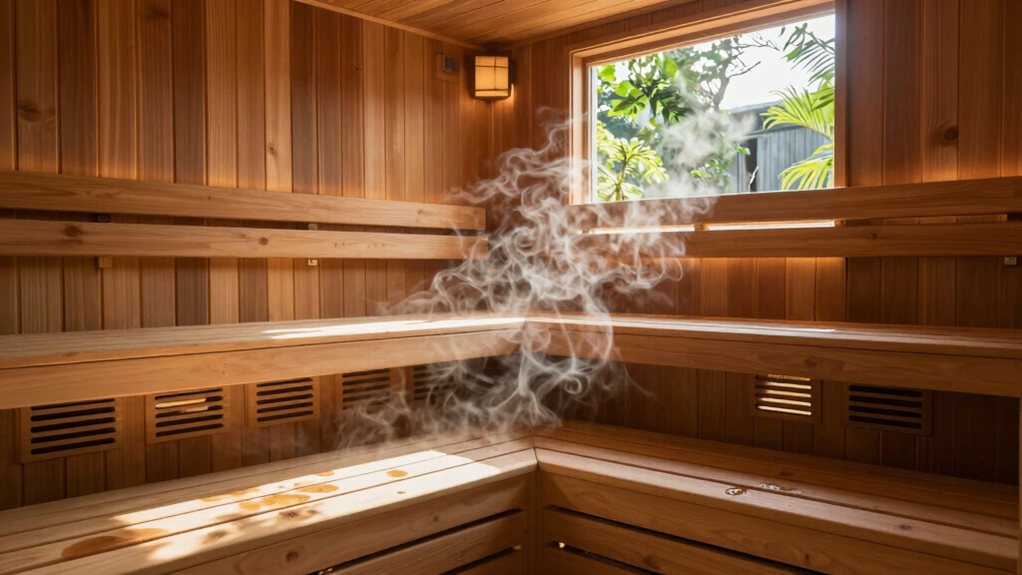
Did you know that the airflow in a sauna can play a major role in boosting your circulation and detoxification? When you’re in a sauna, heat causes your blood vessels to widen, letting more blood flow to your skin. This increase boosts cardiovascular activity, similar to exercising! Additionally, sauna bathing has emerged as a potential intervention for patients with peripheral arterial disease, making it an exciting option for those looking to enhance their cardiovascular health.
Regular sauna visits can lower blood pressure and improve heart function. With the right airflow, your body also sweats more, helping you release toxins more efficiently.
Think of it like cleaning a dirty sponge—the more water flows through, the cleaner it gets! Consistent sauna use, combined with fresh airflow, improves your overall circulation and well-being.
Strengthening Your Immune System With Effective Ventilation
When you step into a well-ventilated sauna, you’re more than just relaxing; you’re boosting your immune system too! With increased white blood cell production and a cozy environment that helps fight off pathogens, those sessions can really pack a punch. Additionally, regular sauna use has been shown to enhance immune function, making it an effective way to strengthen your body’s defenses. Moreover, frequent sauna sessions reduce the risk of serious respiratory diseases, further contributing to your overall health and well-being.
Increased White Blood Cells
As you step into a sauna, the heat wrapping around you isn’t just about relaxation; it’s also a boost for your immune system. The dry, warm air triggers your body to produce more white blood cells, helping you fend off illnesses.
Here are some key benefits:
- Increased White Blood Cells: After just one sauna session, your total white blood cell counts can rise markedly.
- Lymphocyte Boost: Both athletes and non-athletes see a marked increase in these vital immune cells. Greater leukocyte increments are observed in trained individuals, indicating an even stronger immune response.
- Enhanced Protection: Regular sauna use can lower your chances of getting a cold by about 25%.
With consistent sauna sessions, you’re not only sweating; you’re fortifying your health. So, go ahead and indulge—your immune system will thank you!
Pathogen Inhibition Environment
Ventilating a sauna effectively goes beyond simply cycling in fresh air; it creates a dynamic environment where your immune system can thrive against pathogens. When you expose your body to high temperatures, heat shock proteins kick in, boosting your immune response by increasing defenses against viruses like influenza and herpes.
Regular sauna use in addition ramps up these proteins but also aids in increasing antiviral activity in your body. This means better protection from respiratory illnesses like pneumonia, reducing your risk markedly.
Enjoying the warmth improves lung function too, helping you breathe easier. By consistently using a sauna with good ventilation, you’re actively creating a fortress for your health, making your body ready to combat potential threats.
Routine Practice Benefits
Have you ever wondered how stepping into a sauna can fortify your immune system? Regular sauna use does more than just relax you; it boosts your immunity!
Here are three key benefits:
- Heat Shock Proteins: These proteins are like your body’s superheroes, helping to fight infections and repair damaged cells after just one sauna session.
- White Blood Cell Mobilization: A sauna gets your white blood cells racing, meaning your body can tackle infections faster.
- Respiratory Health: Regular sauna users are less likely to catch colds or develop pneumonia, keeping those pesky viruses at bay.
Embracing sauna sessions allows you to harness these protective mechanisms, helping you stay healthy and strong all year round!
Improving Comfort and Safety in Your Sauna
Let’s talk about how to boost your comfort and safety in the sauna! By guaranteeing effective airflow management, you can keep fresh air circulating while optimizing temperature and humidity levels, making your sessions much more enjoyable.
With the right ventilation system, you can relax without worrying about overheating or breathing in too much moisture, so you can focus on unwinding and reaping the health benefits.
Effective Airflow Management
How do you guarantee your sauna remains a comfortable and safe retreat? Effective airflow management plays a vital role in creating that perfect sauna experience. Here are three key strategies to improve your sauna’s ventilation:
- Smart Vent Placement: Position lower intake vents near the heater for fresh air, while upper exhaust vents near the ceiling let stale air escape.
- Balanced Airflow: Make certain of an even exchange of air by adjusting vents, aiming for at least one complete air swap per hour to keep the atmosphere fresh.
- Humidity Control: Efficient ventilation quickly removes excess humidity, allowing you to enjoy every water throw without discomfort.
Optimal Temperature Regulation
Why is finding the right temperature so important for your sauna experience? The ideal sauna temperature ranges from 150°F to 195°F, guaranteeing you enjoy the health benefits without risking discomfort. Staying between 160°F and 175°F maximizes benefits like improved circulation and stress relief.
If you’re using an infrared sauna, keep it between 120°F and 165°F, with a sweet spot around 130°F to 145°F. Temperatures above 160°F can help your body release endorphins and even improve muscle repair.
However, don’t push beyond 195°F, as it can lead to overheating. Aim for 15-20 minute sessions, adjusting your personal comfort level within these guidelines. This balance of heat keeps your sauna experience safe, enjoyable, and healthy!
Humidity Control Solutions
Ever wondered how to create the perfect sauna atmosphere? Humidity control is essential for both comfort and safety, and here are three effective solutions you can implement:
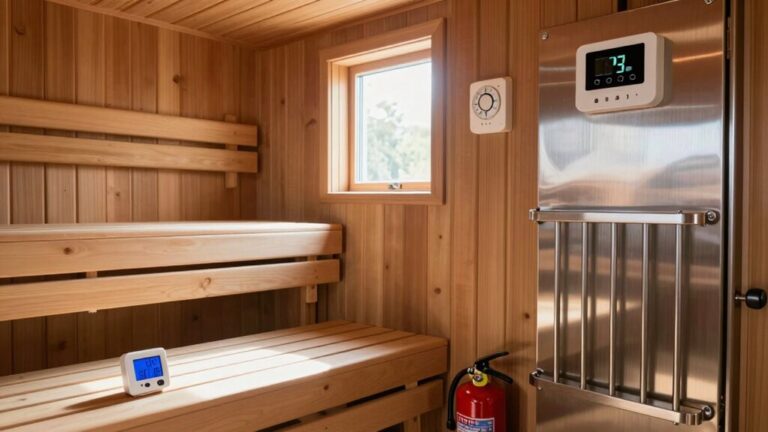
- Use Hygrometers: Keep an eye on humidity levels with digital hygrometers for precise readings. They’ll help you maintain a balanced atmosphere.
- Ventilation: Install intake and exhaust vents. These let fresh air in and push moist air out, keeping your sauna fresh and avoiding overwhelming moisture.
- Dehumidifiers: Consider compact, heat-resistant dehumidifiers. They can help reduce excess moisture after your sauna session, guaranteeing a pleasant environment for your next visit.
Simple Upgrades for Better Sauna Ventilation
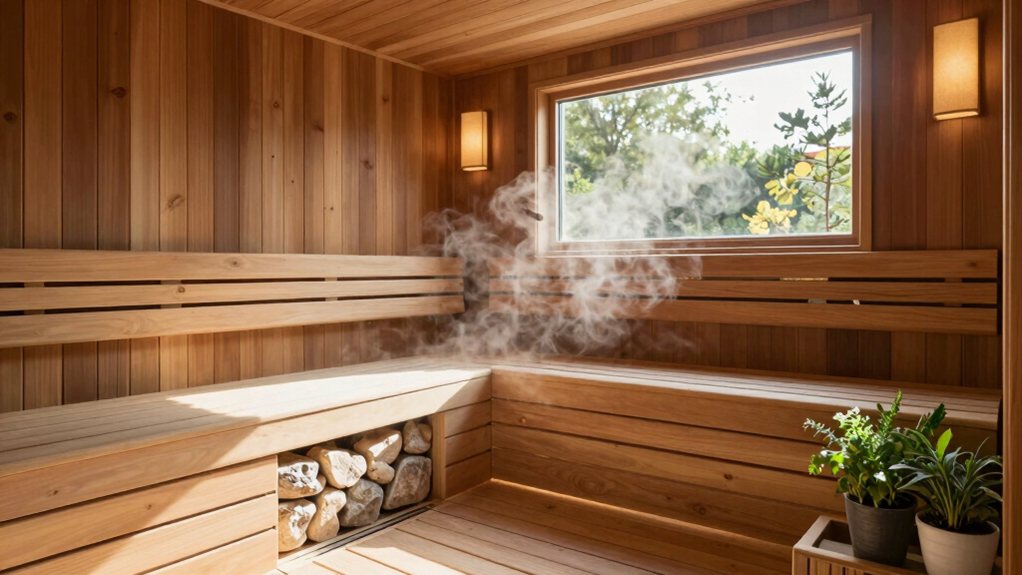
Have you ever noticed how important fresh air is to enjoying a sauna? To improve your sauna experience, consider simple upgrades for better ventilation. Start by installing intake vents low to the floor. They bring in oxygen-rich air, preventing dizziness and keeping you refreshed. Adjustable louvers on these vents let you control airflow easily.
Next, place exhaust vents high on the opposite wall. This setup effectively removes stale air and moisture, preventing mold growth.
You can also add dampers to control how much air escapes. For an innovative touch, install passive stack vents that improve air exchange naturally.
Finally, regular vent cleaning and using air purifiers can greatly boost your sauna’s air quality, guaranteeing each session leaves you feeling energized and revitalized!
Frequently Asked Questions
How Does Sauna Ventilation Impact Skin Health During Sessions?
Sauna ventilation improves your skin health by maintaining ideal humidity levels, preventing overheating. It keeps your pores open, allowing sweat to efficiently flush out impurities, leading to clearer, healthier skin during your sessions.
Can Ventilation Reduce the Risk of Sauna-Related Injuries?
Yes, proper ventilation greatly reduces the risk of sauna-related injuries. It maintains consistent temperature and humidity levels, preventing overheating, and minimizes slip hazards, guaranteeing a safer and more enjoyable experience during your sauna sessions.
What Materials Improve Ventilation in Sauna Construction?
You’ll improve ventilation in sauna construction using cedar wood for vent boxes, rigid foam insulation for ducting, and high-quality vapor barriers. These materials improve airflow, maintain temperature, and prevent moisture buildup for best sauna performance.
How Often Should I Check My Sauna’s Ventilation System?
You should check your sauna’s ventilation system monthly for blockages, perform weekly inspections, and conduct an annual professional review. Regular checks keep airflow clear, guaranteeing a healthy, comfortable sauna experience for you.
Are There Specific Designs for Efficient Sauna Airflow?
Yes, designs like diagonal airflow, strategically placed intake and outflow vents, and mini vent sizes improve efficient sauna airflow. Adjustable vents and heat-reflective barriers also improve circulation, guaranteeing a comfortable and healthy experience for you.
Final Thoughts
To conclude, good ventilation in your sauna isn’t just a luxury; it’s crucial for your health and overall experience. By improving air quality, improving circulation, and boosting your immune system, proper airflow makes your sauna sessions more enjoyable and beneficial. Plus, simple upgrades can make a big difference in comfort and safety. So, take the time to guarantee your sauna’s ventilation is on point; your body will thank you for it! Happy sweating!