
As saunas gain popularity for relaxation and social connection, concerns about hygiene are rising. Sharing benches and towels can make it easy for germs to spread. Did you know that not washing before and after sauna use can increase your risk of infections? Plus, damp environments like saunas can attract bacteria and fungi. Keeping your sauna clean is crucial for enjoying its many health benefits. Stick around, and you’ll find out more about staying safe while enjoying your sauna sessions.
The Rise of Sauna Popularity and Community Wellness
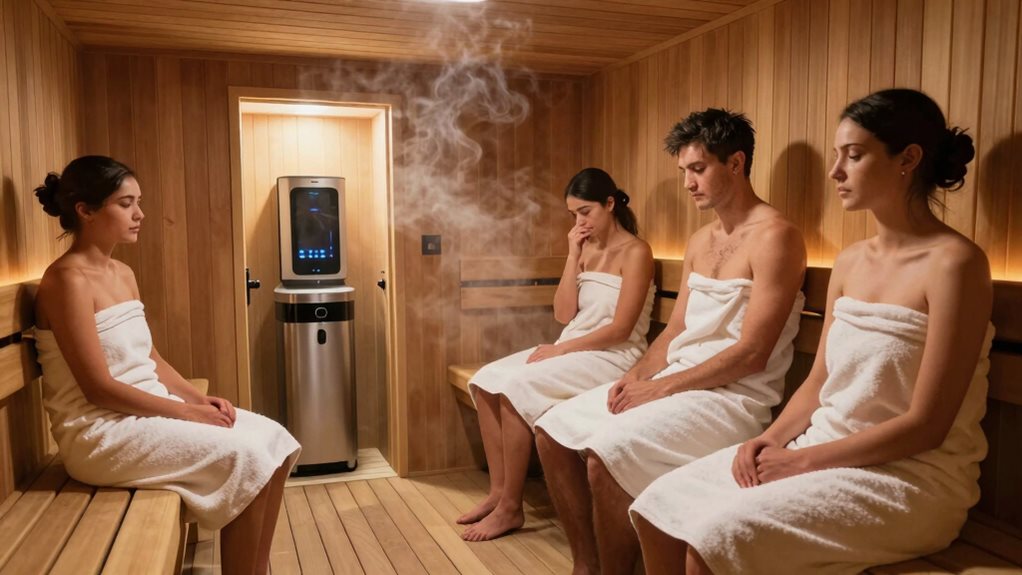
As the popularity of saunas rises, people are discovering their incredible benefits not only for relaxation, but also for community wellness.
The sauna market isn’t just booming; it’s becoming a hub for social interaction. In fact, traditional saunas offer a cozy, communal atmosphere, making them a great alternative to bars.
With an increase in home sauna installations, you’re likely to find friends and family gathering in a warm, steam-filled space, strengthening bonds.
Gyms, hotels, and spas are also integrating saunas to improve your wellness experiences.
Plus, wellness tourism is flourishing, with resorts featuring sauna rituals to attract travelers seeking relaxation.
Health Benefits of Regular Sauna Use
When you step into a sauna, you’re more than merely escaping the daily grind; you’re also taking strides toward better health.
Regular sauna use helps reduce your risk of hypertension and boosts your cardiovascular health, meaning your heart gets a workout without you even having to break a sweat. Research indicates that regular sauna use is linked to a 47% decreased likelihood of developing hypertension, enhancing your overall wellness as you unwind. Additionally, this form of heat therapy can elevate good cholesterol (HDL) levels, contributing to a healthier heart.
Plus, those soothing heat waves might just help you sleep like a baby, making your sauna sessions a win-win for your body and mind!
Reduced Hypertension Risk
Regular sauna use isn’t just a relaxing way to unwind; it can also bring considerable health benefits, particularly in reducing the risk of hypertension.
Studies show that hitting the sauna four to seven times a week can lower your chances of developing high blood pressure by about 46% compared to just once a week.
When you soak in a sauna, the heat helps your blood vessels relax, which can lead to lower blood pressure both right after your session and over time.
It’s like giving your arteries a gentle stretch!
Enhanced Cardiovascular Health
Sauna sessions can do wonders for your heart, especially if you make them a regular part of your routine.
Using a sauna four to seven times a week can lower your risk of sudden cardiac death by a whopping 63%. Even just two to three sessions weekly cuts the chance of fatal cardiovascular disease by 23%.
Imagine reducing your risk of hypertension by 47%—that’s a notable win! The heat from the sauna helps improve your heart’s performance by making blood vessels more flexible, similar to how moderate exercise works. This is particularly beneficial for individuals suffering from peripheral arterial disease, as heat therapy may alleviate their symptoms and improve functional capacity.
Improved Sleep Quality
If you’ve ever struggled to get a good night’s sleep, you might find some relief in your next sauna session.
When you relax in a sauna, your body temperature rises and then cools down, mimicking the natural drop in temperature that helps you snooze. This cooling signals your body that it’s time to sleep, making it easier for you to drift off.
Plus, regular sauna use boosts melatonin production, the hormone that regulates your sleep cycles. Studies show that sauna enthusiasts enjoy longer, deeper sleep, with 83.5% of users reporting notable improvements.
Hygiene Concerns in Communal Sauna Settings
When you step into a communal sauna, you mightn’t think about the germs lurking around, but they’re there!
Bacteria and fungi thrive in the warm, moist environment, making it essential to stay aware of hygiene practices.
Bacterial Growth Risks
While you might think of a sauna as a relaxing getaway, it can also be a breeding ground for bacteria, especially in communal settings.
When you share benches and towels, you risk spreading germs that love the warm, moist environment. Did you know that frequent sauna use can actually increase your chances of getting an infection, like CA-MRSA? If you have cuts or scrapes, your risk triples! Additionally, sauna-induced dehydration can lead to increased intestinal permeability, making it even more crucial to be cautious while using these public facilities.
The surfaces, like cedar benches, can harbor bacteria even after cleaning, making it essential to shower before and after use. To mitigate these risks, maintaining hygiene standards through regular cleaning and proper ventilation is crucial.
Pathogen Exposure Concerns
Saunas might feel like the ultimate relaxation zone, but they can also expose you to some unexpected health risks. When you share a sauna with others, the benches can become a breeding ground for skin-transmitted pathogens, like MRSA. If you’ve got any cuts or scrapes, your chances of developing a skin infection increase dramatically. Moisture-loving materials in saunas, like unfinished wood, can harbor these germs, especially if you don’t use clean barriers, like towels. Plus, skipping a shower before hopping in can spread bacteria even further. Legionnaires disease, contracted by inhaling mist from contaminated water, is another serious concern in communal sauna settings. Respiratory viruses might also hang around in adjacent areas, where ventilation isn’t great. So, while you unwind, keep in mind that cleanliness is key to making your sauna experience safe and enjoyable!
Cleaning Protocol Importance
Proper cleaning protocols are vital for keeping communal saunas safe and enjoyable. After each use, wiping down benches and door handles helps remove bacteria.
Sweeping up dirt from the floors guarantees a cleaner environment. Regularly airing out the sauna allows it to dry completely, keeping mold at bay. You should also scrub surfaces lightly with a brush to maintain hygiene.
Weekly maintenance, like mopping with mild cleaners, keeps it fresh and welcoming. Don’t forget preventive measures, like bathing before entering and sitting on a towel!
By following these cleaning steps, you’re not only improving your own experience—you’re also contributing to everyone’s health and happiness in your sauna retreat.
Risk Factors for Sauna Users
When you step into a sauna, it may feel like you’re entering a world of relaxation, but it’s essential to understand the risks involved. Without proper hydration, you could suffer from heat stroke, even if you’re generally healthy. For the elderly, the risk is even higher, with a mortality rate exceeding 50% for heat-related issues. If you’ve got any cardiovascular problems, consult your doctor before entering, as sudden deaths can occur. Pregnant women and individuals who feel unwell should stay out too. Additionally, regular sauna use can lead to increased circulation, which is beneficial, but it shouldn’t replace proper hydration and caution. Also, if you’re a parent, remember to supervise kids over six and limit their time to just 15 minutes. Recognizing these risks can help guarantee your sauna experience is safe and enjoyable!
Essential Safety Precautions for Sauna Sessions
To make the most of your sauna experience, it’s essential to follow some fundamental safety precautions that keep you feeling great and out of trouble.
Limit your session to 5–20 minutes, especially if you’re new—start with just 5–10 minutes to avoid overstressing your body. Skip the alcohol, as it can lead to fainting or dehydration.
Stay hydrated by drinking 2–4 glasses of water after sweating it out. Always shower first, and sit on a towel to keep things clean.
Watch for warning signs like dizziness or headaches, and take them seriously by leaving the sauna. If you’re with kids or elderly individuals, keep a close eye and limit their time in the heat.
Safety first means a better sauna experience!
Industry Trends and Innovations in Sauna Hygiene
As saunas continue to gain popularity, exciting innovations are transforming how we think about hygiene in these relaxing spaces.
You’ll find that many saunas are now focusing on sustainable technologies, like water purification systems and energy-efficient designs, keeping both the environment and your health in mind.
With a rise in communal sauna culture, places are turning into vibrant social hubs where cleanliness is crucial.
The rise of communal sauna culture is creating lively spaces where maintaining cleanliness is essential for a relaxing experience.
Plus, home saunas are becoming more popular, making it easier for you to enjoy a safe, hygienic experience right at home.
Some companies are even integrating AI to personalize your sauna sessions, guaranteeing a relaxing and clean environment.
These trends promise a future where sauna hygiene is as vital as relaxation itself!
Frequently Asked Questions
How Can I Effectively Clean My Home Sauna Regularly?
To effectively clean your home sauna regularly, wipe benches after each use, perform weekly light cleanings, and conduct deep cleanings monthly. Always inspect surfaces, use gentle cleaners, and guarantee proper ventilation to prevent moisture buildup.
What Are the Best Materials for Sauna Benches to Prevent Germs?
Choose heat-treated alder or thermally modified pine for durability and bacteria resistance. Use absorbent natural fiber mats to limit direct contact, and regularly apply paraffin oil or specialized conditioners for improved protection and easy cleaning.
Is It Safe to Use Essential Oils in Saunas for Aromatherapy?
It’s generally not safe to use vital oils in saunas for aromatherapy. They can irritate your respiratory system or skin, especially if you’re sensitive. Always dilute oils and consult a professional if unsure.
How Often Should Communal Saunas Be Cleaned and Inspected?
You should clean communal saunas daily, inspecting for damage and deep cleaning monthly. Regular checks guarantee safety and hygiene. Always address buildup, and plan for bi-annual servicing to maintain ideal conditions and extend lifespan.
Are There Specific Guidelines for Sauna Maintenance in Public Facilities?
Yes, there’re specific guidelines for sauna maintenance in public facilities. You should routinely disinfect surfaces, inspect equipment, maintain logs, test water quality, and guarantee proper ventilation to keep the environment safe and enjoyable for users.
Final Thoughts
To sum up, staying clean in communal saunas is key to enjoying all their benefits. By being aware of hygiene concerns and following simple safety tips, you can help create a healthier space for yourself and others. After all, who doesn’t want to sweat it out in a safe, clean environment? As sauna popularity continues to grow, let’s adopt the steps needed to keep it enjoyable and healthy for everyone involved! Your well-being matters!