

Sauna and steam room amenities shift a lot depending on where you live. In higher-income neighborhoods, you’ll find luxurious spas with fancy saunas and personal units in homes. Middle-income areas usually have community gyms with accessible options, while lower-income places are seeing a rise in popular, affordable infrared saunas. Urban spots offer more public options, while suburbs lean towards private installations. Curious about how local culture and regulations further shape sauna experiences? There’s more to explore!
The Influence of Income Levels on Sauna Amenities
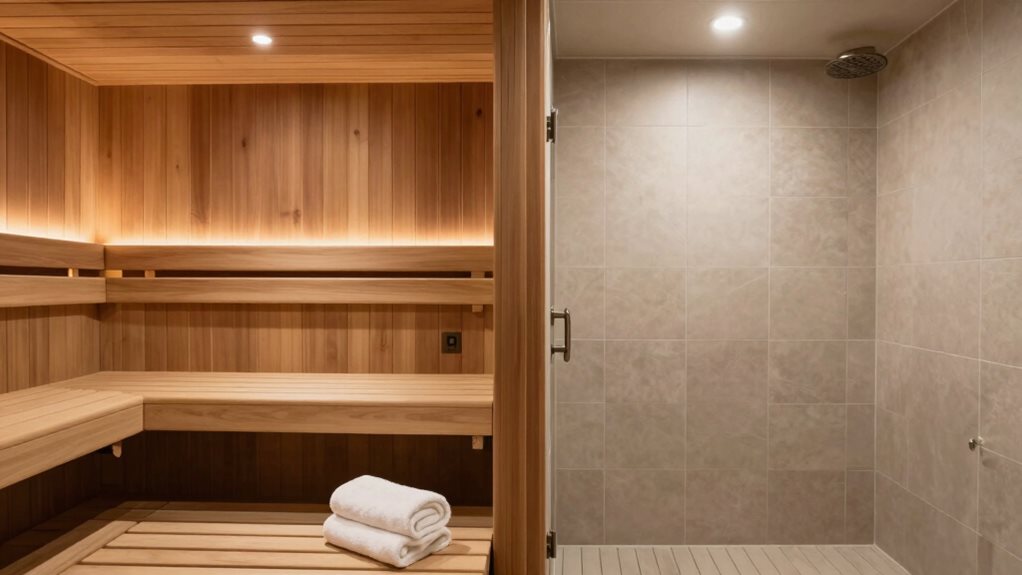
When you think about saunas and steam rooms, you mightn’t realize just how much where you live can affect what’s available to you.
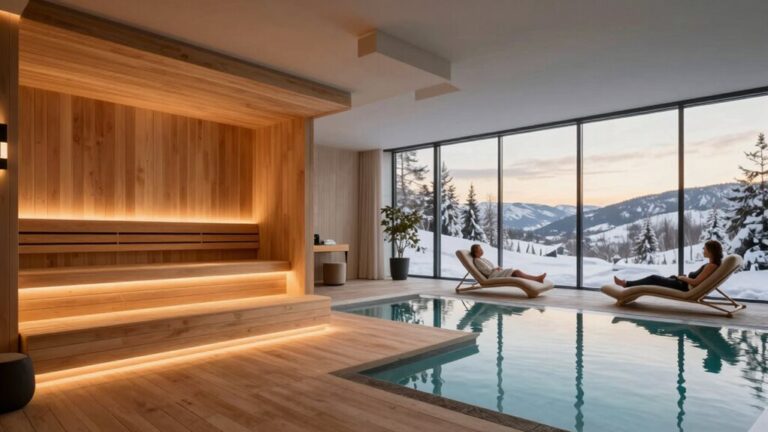
In higher-income neighborhoods, you’ll often find fancy spas and hotels filled with luxurious sauna options. Meanwhile, middle-income areas usually have saunas located in gyms or community centers where people can access them without breaking the bank.
Conversely, if you live in a lower-income neighborhood, dedicated sauna facilities might be hard to find because of high costs to set them up. Additionally, upscale homes are more likely to have personal saunas, while in-cost sensitive areas, smaller infrared options are getting popular.
Urban Density and Its Impact on Sauna Accessibility
Even though many imagine saunas as luxurious retreats, the reality of accessing these warm havens can vary widely based on where you live.
In bustling urban centers, higher population density means you’ll likely find a greater number of saunas and steam rooms just around the corner. However, in suburban areas, you might see fewer public options, with many people opting for private saunas at home or in gyms.
In well-connected neighborhoods, walking, biking, or catching public transport makes spontaneous sauna visits easy and fun. But, in lower-density regions, you could face longer travel times.
Cultural Traditions and Their Role in Sauna Popularity
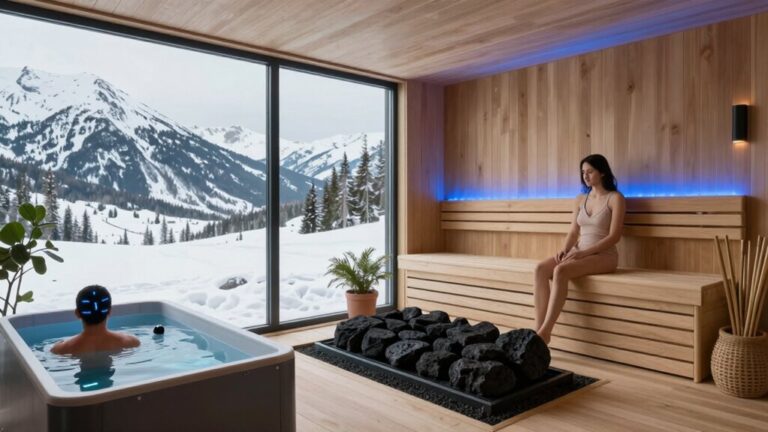
Saunas and steam rooms aren’t just places to relax; they carry deep cultural significance in many societies around the world. In Finland, for instance, saunas are essential to daily life and are even recognized by UNESCO as part of cultural heritage. Whether it’s for healing or family gatherings, these steam-filled spaces weave into the fabric of Nordic culture.
On the flip side, a Turkish hammam offers a lively spot for cleansing and socializing, boasting architectural wonders that improve the experience. Meanwhile, Indigenous sweat lodges focus more on spiritual purification than commercial use, creating a unique community atmosphere.
Each tradition shapes how neighborhoods accept saunas and steam rooms, blending history with local preferences and practices.
Supply Trends and Market Growth in Different Neighborhoods

As more people prioritize wellness at home, the demand for saunas and steam rooms is skyrocketing, especially in city apartments and spacious suburban homes.
Urban areas often lean towards compact steam units that fit into tighter spaces, while suburbs welcome full-sized installations that cater to a more relaxed lifestyle.
With this shift, it’s exciting to see how different neighborhoods respond to these trends, offering unique amenities to meet their residents’ needs.
Increasing Residential Demand
When you consider the rising interest in wellness, it’s no surprise that more people are looking to install saunas and steam rooms in their homes.
Higher-income neighborhoods lead this trend, as residents have the disposable income to invest in luxurious home amenities. In areas dominated by single-family homes, you’ll find more full-size saunas, while compact infrared units are popular in multi-unit buildings.
As remote work becomes common, many are prioritizing wellness for better work-life balance, further driving demand. Family-oriented neighborhoods often opt for multifunctional steam showers, blending relaxation with practicality.
With wellness studios nearby, it’s clear that health-focused lifestyles are shaping how people view at-home sauna and steam room installations. This shift reflects a growing commitment to self-care in your community.
Urban vs. Suburban Trends
In bustling cities, where space is often limited and lifestyles can be fast-paced, the demand for relaxation spaces like saunas and steam rooms is growing rapidly.
You’ll find a higher density of public saunas and boutique wellness studios, catering to busy professionals and tourists needing a quick relaxation fix. Urban luxury hotels increasingly offer these amenities as key attractions. Installation costs in urban areas tend to be higher due to rising labor and material expenses compared to suburban settings.
In contrast, suburban areas focus more on residential installations and larger communal spaces like steam rooms in community centers.
Here, families can enjoy ample space to unwind together. Costs also differ; suburban setups often come at lower prices compared to their urban counterparts, partly due to fewer regulations.
Each neighborhood’s unique needs shape these sauna and steam room trends.
Accessibility Challenges and Community Initiatives

When it comes to accessing saunas and steam rooms, many people face challenges that make it hard to enjoy these relaxing amenities.
Barriers like narrow doorways and high shelves can block entry for those using wheelchairs or other assistive devices.
Fortunately, communities are stepping up with innovative solutions, such as affordable membership pricing models, to guarantee everyone can unwind and benefit from these soothing spaces.
Barriers to Public Access
Accessing saunas and steam rooms can be tricky for many, especially if you don’t have the right tools or adjustments in place.
For instance, the ADA requires specific dimensions, like a 60-inch turning circle for wheelchairs. Sadly, prefab saunas often lack this vital space, making them hard to maneuver. Additionally, accessible saunas must provide compliant features, which often are not implemented in many facilities.
Furthermore, doors need to be wide enough—with a minimum of 36 inches clear—so you can enter effortlessly. These spaces also require low opening force, which isn’t always the case. On top of that, facilities sometimes forget the significant routes leading to these steam rooms, leaving people with disabilities out in the cold, quite literally!
With these barriers, enjoying a sauna can feel more like a challenge than a relaxation opportunity.
Emerging Community Solutions
While many face challenges when trying to enjoy saunas and steam rooms, communities are stepping up with innovative solutions that aim to break down these barriers.
These initiatives include creating accessible benches and wider doorways, along with ramps to guarantee everyone can enter. Community saunas, often run by non-profits, focus on low-cost access for locals, fostering social connections in neighborhoods.
Plus, mobile saunas pop up at community events, allowing users in underserved areas to unwind together. Local governments are also looking to convert older spaces into accessible wellness centers.
By emphasizing collaboration and creativity, these efforts help everyone—regardless of their background or mobility—to enjoy the soothing heat of saunas and steam rooms.
Membership Pricing Models
How can we make saunas and steam rooms more accessible for everyone?
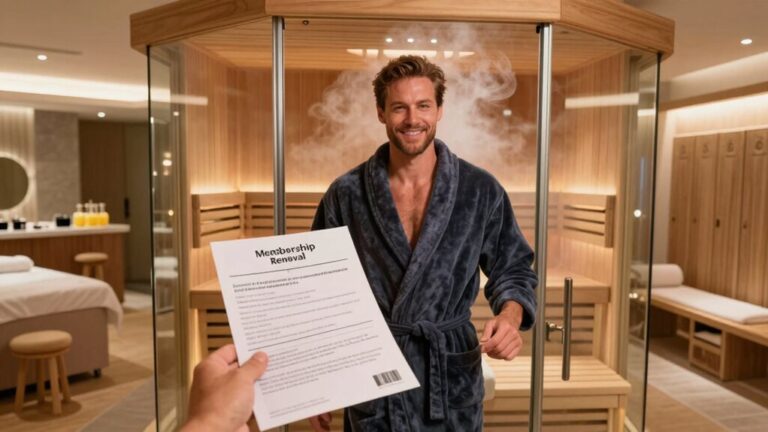
Membership pricing models often create barriers that keep these relaxing amenities out of reach for many. For example, some gyms place sauna access only in mid-tier or high-priced memberships, making it tough for lower-income folks to enjoy.
Others charge steep initiation fees or high monthly rates, which can exceed what many can afford. You might find that boutique wellness centers charge extra fees that can really add up!
To improve access, facilities can offer more flexible memberships or even drop-in options, guaranteeing everyone has a chance to unwind.
Addressing these pricing challenges could make saunas and steam rooms a part of everyday life, rather than a luxury for some!
Regulatory Considerations Affecting Sauna Installations
When planning to install a sauna, it’s essential to steer through the maze of regulatory considerations that come with it.
First, you might need a building permit, especially if it’s a commercial sauna. For residential ones, check local rules to see if you’re exempt.
Zoning laws can also apply, setting limits on height or placement, especially for outdoor units. Proper ventilation methods must also be implemented to ensure safety and compliance.
Electrical safety’s important too. Sauna heaters usually need a dedicated 240 V circuit, and installation must follow strict codes.
If your sauna’s for public use, make certain it’s accessible, with proper widths and surfaces.
The materials you choose should withstand high heat and humidity; remember, safety first!
Ignoring these regulations could lead to costly fines or insurance headaches.
Happy installing!
Frequently Asked Questions
What Types of Saunas Are Most Popular in Luxury Developments?
In luxury developments, traditional Finnish saunas and infrared saunas dominate. You’ll appreciate the authentic experience of dry heat or the gentler warmth and tech features of infrared, customized to improve your wellness experience.
How Do Saunas Affect Property Values in Different Neighborhoods?
Saunas improve property values considerably in affluent neighborhoods, attracting wellness-focused tenants and buyers. However, in lower-income areas, their impact diminishes, often resulting in longer payback periods and limited buyer interest for luxurious amenities.
Are There Specific Health Benefits of Using Steam Rooms?
Using steam rooms provides several health benefits, like relieving respiratory congestion, improving muscle recovery, improving skin appearance, and boosting circulation. Just remember to consult a doctor if you have any underlying health conditions.
What Innovations Are Emerging in Sauna Technology?
Emerging innovations in sauna technology include adaptive heating systems, AI-driven personalization, solar-powered units, and advanced materials. You’ll experience improved energy efficiency, augmented comfort, and personalized wellness options through integrated health monitoring and customized heating profiles.
How Can I Maintain My Home Sauna Effectively?
To maintain your home sauna effectively, wipe surfaces after use, ventilate it, clean regularly, inspect heaters and stones monthly, and treat wood annually with a breathable preservative to improve longevity and performance.
Final Thoughts
To sum up, understanding how sauna and steam room amenities change from one neighborhood to another reveals much about our communities. Factors like income levels, urban density, and cultural traditions all play a part in what’s available. By recognizing these trends, you can appreciate the unique offerings each neighborhood provides. Whether you’re seeking relaxation or cultural experiences, knowing these differences helps you make better choices about where to unwind. Enjoy exploring your neighborhood saunas and steam rooms!