
VOCs, or volatile organic compounds, are harmful chemicals that can come from the materials in saunas, like plywood and certain coatings. When heated, these materials release gases that may irritate your eyes, throat, or skin. Prolonged exposure can even lead to serious health issues. To make your sauna experience safer, look for low-VOC materials like natural wood and non-toxic finishes. Curious about which materials are the best choices for a healthy sauna? Keep exploring!
Understanding VOCs and Their Sources
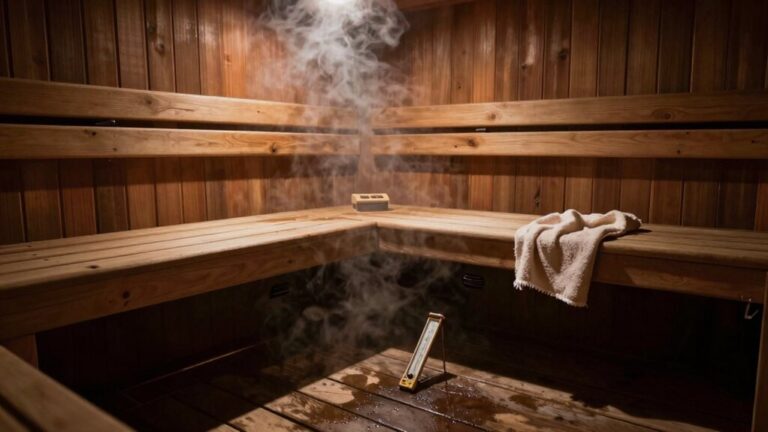
When you step into a sauna, the cozy warmth might feel inviting, but it’s important to contemplate what’s swirling around in the air.
Stepping into a sauna is comforting, but consider what chemicals might be in the warm air.
That warm hug of heat can boost the release of volatile organic compounds, or VOCs, from materials commonly found in saunas. Engineered woods, like plywood, can let off formaldehyde, which isn’t the kind of thing you want to inhale while relaxing. Some VOCs can cause harm to the environment, finishes and coatings on surfaces may release solvents that cause headaches with too much exposure. Additionally, VOCs are prevalent groundwater contaminants, even your towels might give off unwanted chemicals when heated!
The Process of Off-Gassing in Saunas
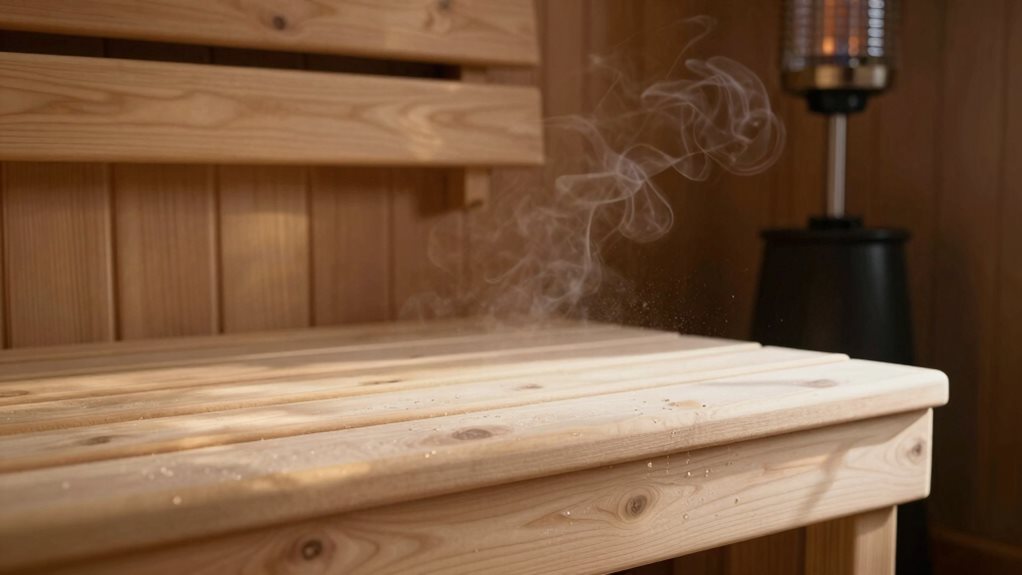
Stepping into a sauna, you might notice the warmth embracing you, but that heat can also trigger a hidden process called off-gassing.
This occurs when materials like glues, plastics, and treated fabrics release volatile organic compounds (VOCs) into the air. As temperatures rise, these materials can emit gases like formaldehyde and toluene, creating that sharp, chemical smell you might detect. This is especially true in new saunas, where adhesives and synthetic components are common. If the sauna’s interior gets too hot, the VOCs can become even more prominent, and without proper ventilation, they linger in the air. To mitigate these risks, it’s advisable to choose sauna materials that minimize toxin off-gassing during heat exposure. Relax Sauna’s materials ensure zero harmful emissions, promoting a safer environment for users. Additionally, using sauna moisture protection products can help maintain the integrity of the materials, reducing the likelihood of VOC release.
Short-Term Health Effects of VOC Exposure
Although saunas are meant to be a place of relaxation, you might be surprised to learn that the vaporized heat can also expose you to volatile organic compounds, or VOCs, which can lead to a range of short-term health effects.
For instance, you may experience eye, throat, or nose irritation shortly after entering, making you feel like you’re constantly sneezing. If you’re asthmatic, the heat can provoke coughing or wheezing too. Additionally, indoor levels of several organics are 2 to 5 times higher than outdoors, making the sauna environment potentially concerning for your health. Moreover, exposure to high VOC levels can cause dizziness, lightheadedness, or even nausea.
Furthermore, you might feel dizzy, lightheaded, or even nauseous due to high VOC levels. Those with sensitive skin could break out in rashes or hives, while kids and older adults might face stronger reactions.
Long-Term Health Risks Associated With VOCS
When you think about using a sauna, it’s important to contemplate the long-term health risks linked to VOCs. Breathing in these harmful chemicals over time can increase your chances of developing serious conditions, like certain types of cancer and chronic respiratory diseases. Additionally, high concentrations of certain VOCs may exacerbate these health issues, making it crucial to ensure that sauna materials are free from harmful emissions. Moreover, the rising global VOC emissions indicate that careful selection of materials is necessary to minimize exposure to these dangerous compounds.
Cancer Risks Inhalation
Inhaling volatile organic compounds (VOCs) over long periods can pose serious health risks, especially concerning cancer. Certain VOCs, like benzene and formaldehyde, are linked to serious conditions such as leukemia.
Imagine using a glue that could eventually lead to health issues. That’s reality for some products! When VOCs enter your body, they can turn into harmful substances that damage your DNA. This process creates inflammation, causing your body to create mutated cells instead of destroying them. Furthermore, increased exposure to VOCs correlates with a heightened risk of developing lung cancer, underscoring the seriousness of the materials used in your sauna. Prolonged exposure to certain VOCs can lead to a greater likelihood of experiencing severe health complications.
If you’re around multiple pollutants, this risk multiplies. Studies predict a concerning number of excess lifetime cancer cases tied to frequent exposure, highlighting how careful you should be regarding the materials surrounding you in your sauna.
Better safe than sorry!
Chronic Respiratory Conditions
While many people enjoy the soothing warmth of saunas, they mightn’t realize that long-term exposure to volatile organic compounds (VOCs) can lead to serious respiratory health issues. Breathing in these chemicals over time can irritate your airways and cause chronic conditions like asthma or chronic bronchitis.
Imagine your lungs as a sponge—if it’s constantly exposed to irritants, it can get damaged, making it hard to breathe. Studies show that workers exposed to high levels of VOCs often report respiratory problems.
Even though sauna bathing can improve respiratory health, it’s essential to verify the materials used in your sauna are safe. HEPA air purifiers can also help mitigate indoor air quality issues, taking precautions helps protect your lungs and keeps your sauna experience enjoyable and healthy.
Sauna Materials That Pose Risks
Sauna materials can greatly impact your health, especially if you’re not careful about what’s used in construction.
Conventional sealants and synthetic interiors release harmful chemicals like formaldehyde and toluene when heated, making your cozy sauna a toxic fog. Imagine relaxing, only to inhale a cloud of irritants—yikes!
Plywood and particle board aren’t any better; they off-gas dangerous formaldehyde, turning your sauna into a hidden hazard.
Paints and varnishes add to the problem, trapping moisture while releasing irritating fumes. Plus, if you’re using treated woods or low-quality materials, you’re inviting even more toxic compounds to the party.
Choosing the right materials is key to enjoying the detox benefits of a sauna without the health risks!
Identifying Safe Alternatives for Sauna Construction
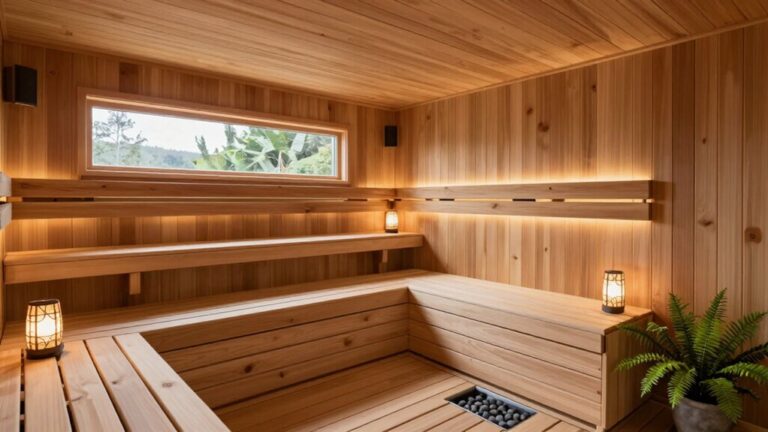
When building a sauna, choosing the right materials is key to keeping the air safe and healthy. You can opt for natural woods like untreated cedar or hypoallergenic aspen, which not just resist bugs but also emit fewer harmful chemicals. Plus, using low-VOC adhesives and natural insulation helps create a cozy environment without the nasty off-gassing that can come from synthetic materials. Additionally, selecting a sauna heater natural wood can enhance the overall experience by ensuring a natural and comfortable heat source.
Low-VOC Materials
Choosing the right materials for your sauna can make a big difference, especially when it comes to keeping the air clean and safe.
Opt for natural insulation like sheep’s wool or hemp fiber, which trap heat, stay breathable, and don’t release harmful chemicals. Cork and recycled denim are also great eco-friendly choices.
When it comes to adhesives, look for low or zero-VOC options that minimize chemical release. High-temperature-resistant PVA glue works great too.
For finishes, use non-toxic, water-based paints to keep the air safe. Building with solid wood instead of plywood prevents formaldehyde off-gassing.
Finally, choose PVC-free wiring and low-EMF heaters to further reduce toxins. Your health and environment will thank you!
Natural Wood Options
Natural wood options can make your sauna not just beautiful but also a healthier space to relax and unwind.
European Poplar wood is your best bet for low VOCs, keeping off-gassing to a minimum. It’s untreated, which helps prevent allergic reactions—perfect for those sensitive to chemicals.
Cedar brings a lovely aroma and natural oils that soothe the skin, plus it resists rot without nasty treatments.
If you prefer something more neutral, Aspen’s hypoallergenic properties make it ideal, as it’s also quick to grow sustainably.
Finally, Thermowood offers stability against heat and humidity, keeping your sauna looking good without chemicals.
Choosing natural woods guarantees a safe, pleasant environment for your sauna experience! Moreover, natural wood options not only enhance the aesthetic appeal of your sauna but also contribute to a healthier indoor air quality.
Importance of Low-VOC Products in High-Heat Environments
Using low-VOC products in high-heat environments like saunas isn’t just a smart choice; it’s crucial for your health and well-being.
In hot temperatures, materials like plywood, paints, and adhesives can release harmful compounds that you definitely don’t want to inhale during your relaxing sessions. For example, formaldehyde from plywood increases its off-gassing as temps rise, turning a peaceful retreat into a potential health hazard.
By choosing woods like Canadian hemlock or poplar, you limit your exposure to these toxins. Opting for water-based adhesives and natural finishes also helps keep the air fresh and clean. Additionally, selecting sauna insulation building materials that are specifically designed to minimize VOC emissions enhances the overall safety of your sauna environment.
Choosing Canadian hemlock or poplar and using water-based adhesives ensures a cleaner, toxin-free sauna experience.
Prioritizing low-VOC products turns your sauna experience into the rejuvenating escape it should be, free from the worries of harmful chemicals lurking in the heat.
Ensuring a Healthy Sauna Experience
When it comes to guaranteeing a healthy sauna experience, proper ventilation and airflow are essential. You should aim for 0.5–1.0 air changes per hour to keep the air fresh and avoid a buildup of harmful compounds.
Install vents low for fresh air intake and high for exhaust; this setup helps push out stale air. Using a mechanical exhaust fan during cooldowns is even better, making sure that stale air doesn’t linger. Additionally, incorporating an effective sauna ventilation fan system ensures optimal airflow, enhancing the overall sauna experience.
Additionally, select sauna materials carefully; go for untreated, solid wood rather than composite materials, which can off-gas.
Finally, choose heaters with simple, sturdy designs. By making these choices, you’re setting the stage for a clean, enjoyable sauna that promotes your health and well-being.
Frequently Asked Questions
Can I Use Essential Oils Safely in Saunas?
You can use crucial oils in saunas safely by diluting them, avoiding direct contact with hot surfaces, and limiting exposure time. Always choose products designed for high heat to minimize health risks effectively.
How Can I Test My Sauna for VOCS?
To test your sauna for VOCs, use stainless-steel canisters for air sampling, deploy portable GC-MS for screening, and analyze specific materials with thermal desorption methods. Guarantee proper ventilation during testing for accurate results.
What Should I Do if I Feel Sick in the Sauna?
If you feel sick in the sauna, exit immediately to cooler air, hydrate slowly with water, loosen clothing, and apply a cool compress. Seek medical help if symptoms worsen or demonstrate severe distress.
Are There Specific Sauna Brands Known for Low VOC Emissions?
Yes, brands like Maxxus, Heavenly Heat, Clearlight, and Sunlighten focus on low VOC emissions. They use high-quality materials and designs while prioritizing safety, guaranteeing you enjoy a healthier sauna experience.
How Often Should I Ventilate My Sauna to Reduce VOC Levels?
You should ventilate your sauna before use to minimize VOC levels, during sessions for fresh air, and after sessions to eliminate humidity. Aim for at least six air changes per hour for ideal air quality.
Final Thoughts
To sum up, being aware of VOCs and off-gassing in sauna materials is key to enjoying a safe and healthy experience. By choosing low-VOC products and understanding potential risks, you’re taking important steps to protect your health. Think of it like picking the right ingredients for a delicious meal—quality matters! So, next time you’re building or renovating a sauna, keep these insights in mind. Staying informed helps you enjoy all the relaxation without the hidden dangers.