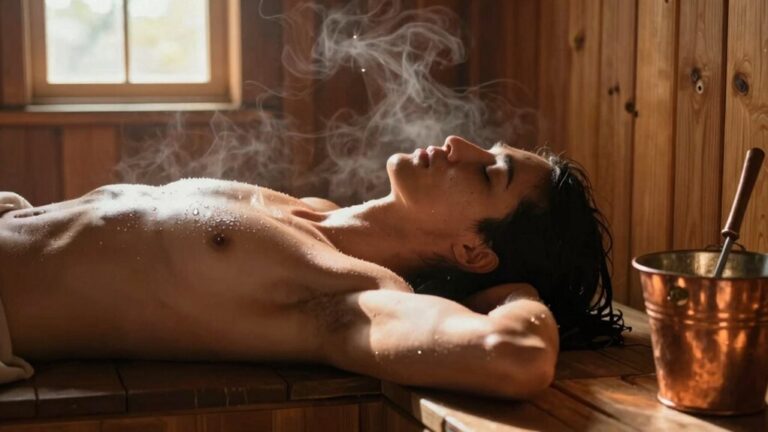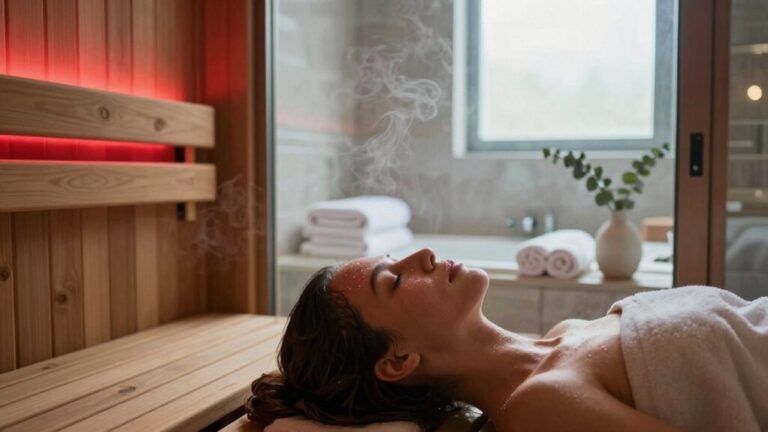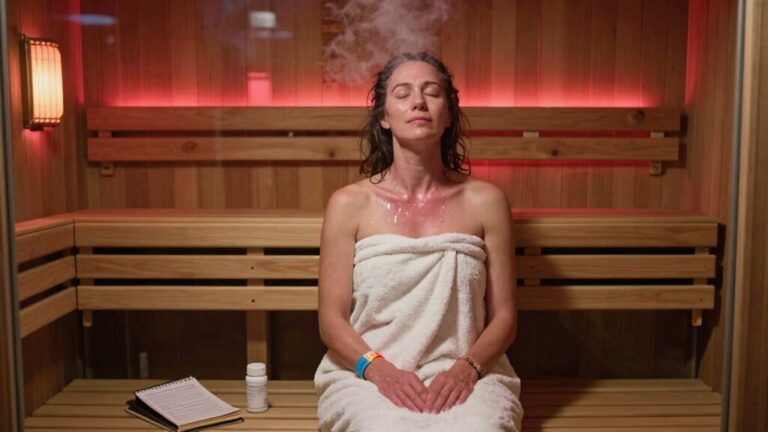
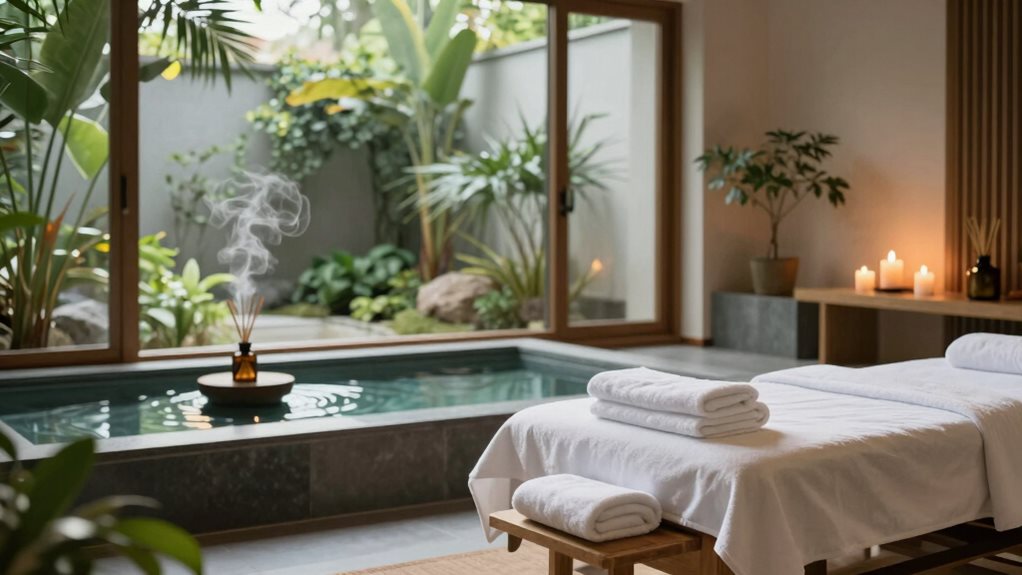

Spa wellbeing facilities use science to boost your physical and mental health. Warm and cold water therapies improve blood flow and reduce swelling, while massage eases pain and tightness. Mind-body activities, like mindfulness and dance, help reduce stress and uplift your mood. Evidence shows that these treatments can tackle chronic pain and skin issues, making spas valuable for your wellness routine. Want to discover more about how these practices can fit into your busy life?
The Physiological Benefits of Thermal and Hydrotherapy
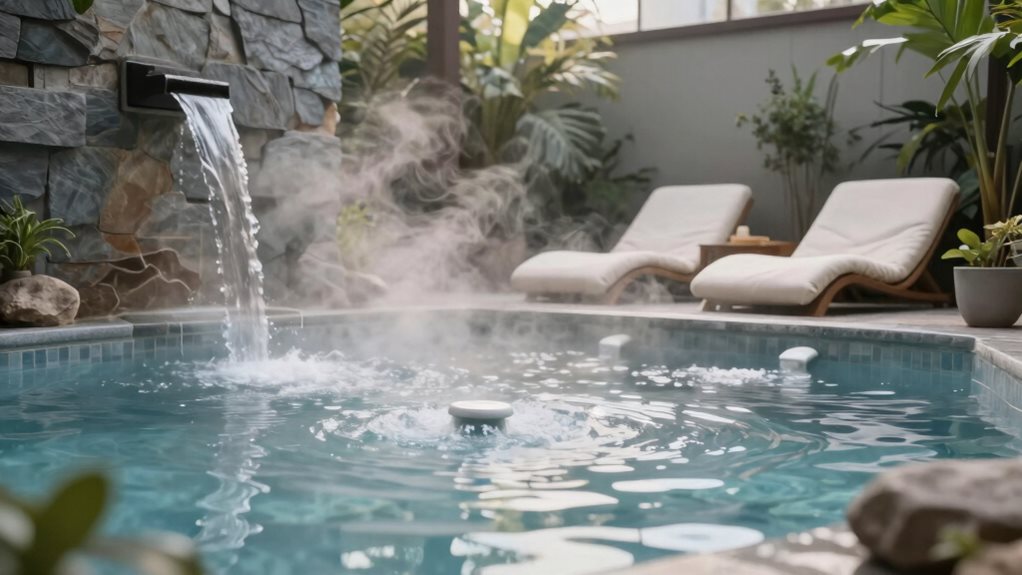
Thermal and hydrotherapy can feel like a warm hug for your body, offering a range of amazing health benefits.
When you immerse in warm water, it helps your blood vessels open up, boosting blood flow and delivering oxygen to your muscles and organs. On the flip side, cold water tightens those vessels, giving your heart a little workout.
You’ll also notice pain relief: heat relaxes your muscles while cold helps reduce swelling. Plus, floating in water eases pressure on your joints, making movement easier, especially if you have aches.
Alternating between hot and cold can clear out waste from your muscles too. Overall, these therapies work together to keep you feeling your best, both physically and emotionally.
The Role of Massage and Manual Therapies in Wellness
When you think about relaxation and wellness, massage and manual therapies often take center stage for good reason.
These practices not only feel amazing, but they also offer real benefits to your body and mind.
Massage and manual therapies provide not just indulgence, but also profound benefits for both your body and mind.
Here are a few reasons to contemplate incorporating massage into your routine:
- Pain Relief: Studies show massage can reduce pain from conditions like low back pain and arthritis.
- Improved Mobility: Regular sessions can augment your range of motion and decrease stiffness.
- Stress Reduction: Massage triggers a relaxation response, helping to lower anxiety and emotional stress.
- Healing Support: Increased blood flow after massage aids recovery from injuries by removing waste products.
Enhancing Mental Health With Mind-Body Modalities
How can you truly improve your mental health? One effective way is by embracing mind-body modalities like mindfulness and movement therapies. These practices can help reduce anxiety and stress, often matching the benefits of therapy or medication.
For example, four-week mindfulness programs show around a 20% improvement in stress levels. Engaging in dance or expressive arts can lift your mood and boost social skills too.
Plus, these activities trigger positive changes in your brain, leading to better self-awareness and emotional regulation. So, when you participate in group classes or try out some guided meditations at a spa, you’re not merely relaxing; you’re actively promoting your mental wellbeing and connecting with others while doing it!
Evidence-Based Clinical Indications for Spa Treatments
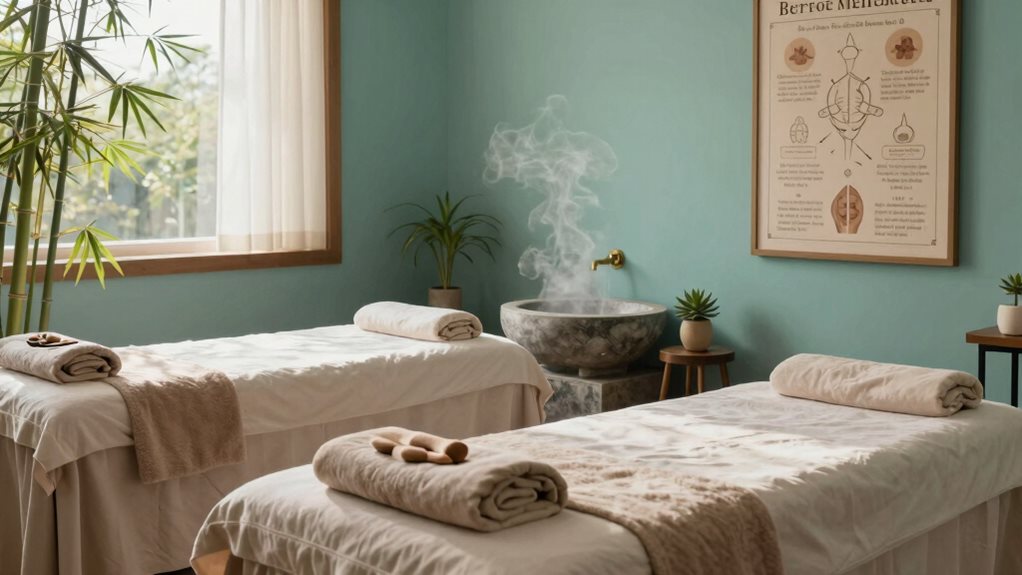
Spa treatments aren’t just about relaxation; they’re backed by solid research that shows their effectiveness in treating various health conditions.
Here are some key benefits supported by evidence:
- Pain Relief: Studies show balneotherapy helps reduce chronic pain in conditions like fibromyalgia, with effects lasting for months.
- Skin Health: Mineral-rich thermal waters can improve chronic skin issues and promote wound healing.
- Breathing Easier: Inhalation therapies help people with respiratory problems feel better, reducing symptoms and anxiety.
- Overall Function: Combining thermal treatments with physiotherapy leads to greater improvements in mobility and reduces reliance on pain medications.
These findings illustrate spa treatments as valuable tools for addressing health challenges, so consider integrating them into your wellness routine!
Integrating Spa Wellness Into Modern Lifestyles
In today’s fast-paced world, integrating spa wellness into your daily life can feel like a invigorating change, especially as urban living demands more from you than ever.
With the rise of urban spas offering convenient, on-demand treatments, you can easily squeeze them into your busy schedule. Just imagine a 30-minute hydrotherapy session during your lunch break or a quick massage after work!
Thanks to technology, personalized spa experiences are also on the rise. AI and wearables can help tailor treatments specifically for you, improving your relaxation.
Plus, as more workplaces partner with spas, you might find accessible wellness options right at your job! Embracing these opportunities not just nurtures your body but also supports your overall well-being.
Frequently Asked Questions
What Types of Thermal Waters Are Most Beneficial for Health?
The most beneficial thermal waters for health include sulfurous, bicarbonate, and saline varieties. Each type offers unique properties that can relieve conditions like respiratory issues, skin ailments, and arthritis, improving your overall wellbeing during treatment.
How Often Should I Visit a Spa for Optimal Benefits?
You should visit a spa every 2–4 weeks for stress relief or muscle maintenance. For overall wellness, aim for monthly visits. Adjust frequency based on your needs, experience, and desired benefits for ideal results.
Are There Any Risks Associated With Spa Treatments?
Yes, there are risks with spa treatments, including infections from poor hygiene, cardiovascular issues due to heat, and interactions with alcohol or drugs. Always prioritize safety and consult professionals to minimize these risks during your visits.
Can Spa Therapies Replace Conventional Medical Treatments?
Spa therapies can’t replace conventional medical treatments. They serve as complementary options that improve relaxation and symptom relief. You should consult healthcare professionals for serious conditions, guaranteeing a balanced approach to your overall health.
What Should I Wear During Spa Treatments?
You should wear light, comfortable clothes like yoga pants or a tank top. Opt for easy-to-remove footwear, and don’t forget breathable undergarments. Dressing down to your comfort level improves your relaxation during treatments.
Final Thoughts
Incorporating spa wellness into your daily routine can be a game-changer for both your body and mind. From soothing hydrotherapy to rejuvenating massages, these treatments are all about helping you feel your best. Think of it as giving yourself a mini-vacation right in your busy life! By understanding the benefits, you can choose what works for you and make wellness a fun part of your lifestyle. So why not take that first step toward feeling fabulous today?