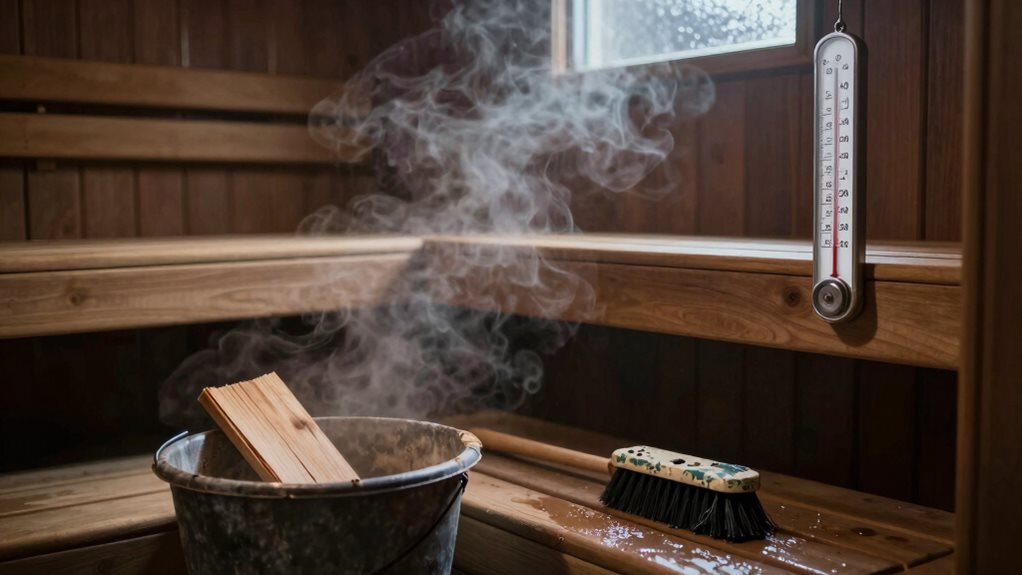

Many gyms fall into myths about sauna maintenance that can drain their budgets. Quick wipes don’t remove deep sweat stains, and bacteria can linger even after surface cleaning. Regular vacuuming and using mild detergent make a big difference. Depending on the sauna type, annual upkeep can vary from $100 to over $400! By understanding these costs and addressing maintenance effectively, you can save money. Stick around to discover money-saving strategies that keep your sauna thriving!
Common Misconceptions About Sauna Cleaning
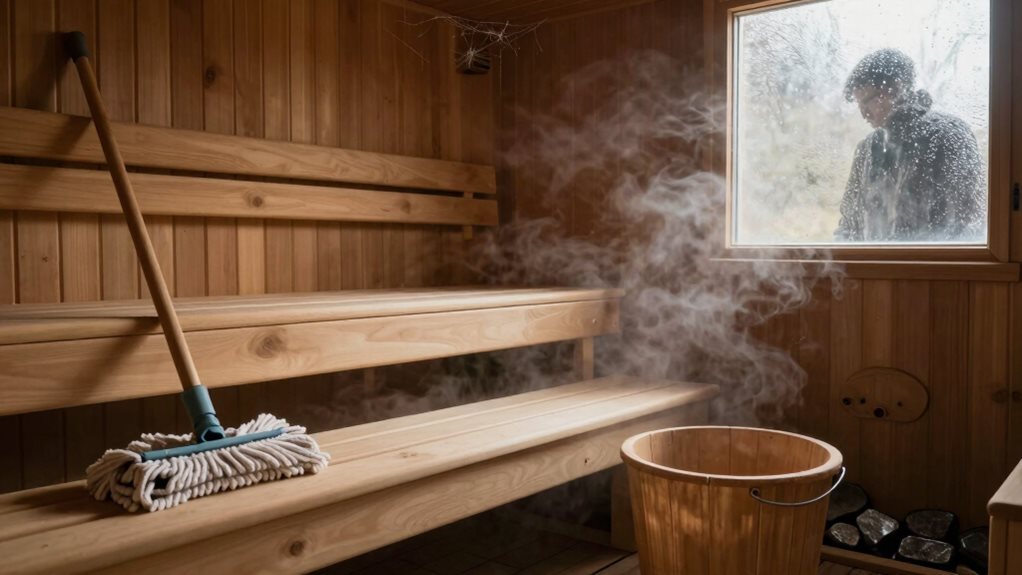
When it comes to sauna cleaning, how much do you really know? You might think that quick wipes are enough, but they don’t tackle deep sweat stains embedded in the wood.
Bacteria love to hang out on benches and walls, even after a surface clean. Think that’s enough to keep your sauna fresh? Think again! Mould hides in corners, too.
Also, harsh chemicals aren’t required; a drop of mild detergent mixed with warm water does wonders without leaving toxic fumes behind.
And if you believe cleaning frequently isn’t crucial, you’re mistaken. Regular vacuuming and mopping keep everything in top shape.
Understanding True Maintenance Costs
Understanding true sauna maintenance costs can feel overwhelming, especially if you’re new to sauna ownership.
You might assume it’s just a small, one-time expense, but there’s more to it!
Here are three key factors that influence your costs:
- Annual Upkeep: Basic maintenance costs range from $150 to $350, depending on sauna type.
- Service Fees: Hiring professionals can run you between $50 to $120 per hour, plus flat cleaning fees of $75 to $200.
- Energy Costs: Commercial installations can rack up annual energy expenses of $2,000 to $8,000.
Comparing Maintenance Expenses Across Sauna Types
Comparing maintenance expenses across different sauna types can reveal surprising differences that may influence your decision on which sauna to choose.
Infrared saunas generally have lower yearly costs, between $100 and $250, thanks to their straightforward heater systems and minimal moisture issues.
Infrared saunas typically incur lower annual maintenance costs, ranging from $100 to $250, due to their simple heating systems and reduced moisture concerns.
Traditional saunas can cost a bit more, between $150 and $350, due to heater service and humidity control.
If you’re considering a hybrid sauna, budget for higher maintenance costs of $200 to $400.
Outdoor saunas can require even more for weatherproofing and repairs, sometimes exceeding $400.
Each sauna type has its unique quirks, so be sure to think about these expenses when making your choice—they can really add up!
Analyzing Running Costs Versus Gym Memberships
Sauna ownership can sometimes feel like a luxury, but when you stack the costs of running your sauna against a gym membership, things get interesting.
Consider these factors:
- A standard gym membership averages about $58 per month, which adds up to roughly $696 a year.
- Premium gyms can charge anywhere from $150 to $300 monthly, hitting your wallet hard.
- Basic memberships can be as low as $10 to $30, but you’ll still face additional fees like initiation charges and annual costs.
When you think about these expenses, owning a sauna might just be more cost-effective in the long run if you’re using it regularly.
It’s important to weigh all these costs before making a choice!
Frequency of Repairs and Associated Costs
When it comes to sauna repairs, knowing how often to expect them can save you time and money. For instance, heating elements might need a replacement every 3 to 7 years, especially if your sauna sees heavy use. Regular maintenance and timely repairs can significantly enhance longevity and healthspan of the equipment, ultimately reducing downtime and costs associated with repairs.
Repair Frequency Overview
While you might think using a sauna often means it’ll need repairs more frequently, the truth is that regular maintenance is key to keeping it in great shape.
The frequency of repairs depends more on the sauna’s usage patterns and how well it’s cared for. Here are three critical factors to contemplate:
- Weekly Sessions: Using the sauna 2-5 times a week promotes better health, but be mindful of maintenance.
- Session Duration: Limiting sessions to 15-20 minutes prevents overheating, reducing wear on the sauna.
- Hydration: Keeping both users and the sauna hydrated can mitigate damage and extend its life.
Adhering to these guidelines guarantees your sauna remains a reliable haven for relaxation and recovery!
Cost Analysis Breakdown
Owning a sauna can feel like a luxurious treat, but it’s important to understand the costs that come along with it, especially when it comes to maintenance and repairs. Annual upkeep typically ranges from £150 to £200, covering things like heating elements and door seals. For traditional saunas, you might spend an extra £384 to £564 on energy alone! Running one can cost around £1.56 for a 30-minute session with a 6 kW heater. Additionally, infrared saunas tend to be more energy-efficient compared to traditional ones, potentially lowering monthly energy costs significantly. Don’t forget those pesky service fees, ranging from £50 to £200, plus average yearly parts replacement costs of £30 to £50. All these little expenses add up, making sauna ownership a serious financial commitment, but it can still be worth it for that soothing escape!
Evaluating the Cost-Effectiveness of Home Saunas
Evaluating the cost-effectiveness of home saunas can seem challenging, but understanding a few key factors can make it easier.
Evaluating home saunas’ cost-effectiveness can be challenging, but key factors simplify your decision-making process.
Here are three crucial points you should consider:
- Energy Costs: Infrared saunas can cost less than 50 cents per session, while traditional options may run you $1 to $1.50, depending on usage.
- Upfront Expenses: Infrared saunas generally range from $3,000 to $15,000. Traditional ones might cost less initially but could require costly electrical upgrades.
- Maintenance Needs: Quality matters! Lower-end units may need frequent repairs, driving up long-term costs. Choosing higher-quality saunas may save you money over time.
Being aware of these factors helps you make an informed decision, guaranteeing your investment pays off in both enjoyment and savings!
The Financial Impact of Gym Sauna Usage
When you step into a gym and see a sauna, you might think it’s just a relaxing spot to unwind after a workout, but there’s a lot more to contemplate behind the scenes.
The energy cost alone can add up; traditional saunas use 6–9 kWh per hour, while infrared ones are cheaper at 1.5–3 kWh. If your sauna’s busy, that could mean a hefty utility bill.
Maintenance also matters; routine upkeep can cost $150–$350 annually, and neglecting it could lead to expensive repairs.
Plus, a sauna’s initial price can be considerable, impacting your gym’s finances.
However, a well-utilized sauna can boost memberships, making it both an expense and an asset if managed wisely!
Strategies to Reduce Sauna Maintenance Expenditure
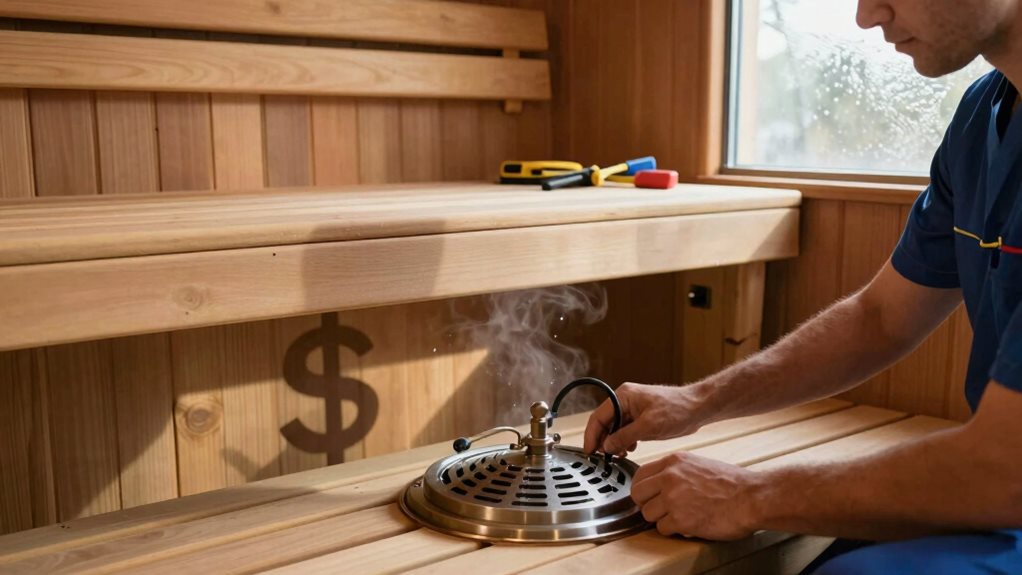
To keep sauna maintenance costs manageable, you’ll want to implement some smart strategies that can save you both time and money.
Start with a targeted preventive maintenance schedule to check heaters, controls, and wood. This keeps your sauna running effortlessly!
Here are three key strategies:
- Invest in Smart Controls: Use smart thermostats to adjust heating based on use, reducing energy waste.
- Choose Durable Materials: Opt for low-maintenance materials like fiberglass for steam rooms to minimize repair costs.
- Standardize Cleaning Routines: Maintain a quick post-use clean-up to prevent buildup and the need for deep cleaning.
Frequently Asked Questions
How Often Should I Deep Clean My Sauna?
You should deep clean your sauna at least once a month. For high usage, increase frequency to biweekly. Regular cleaning helps maintain hygiene, performance, and longevity, guaranteeing a pleasant experience for everyone using it.
What PPE Do I Need for Sauna Maintenance?
For sauna maintenance, you’ll need heat-resistant gloves, safety goggles, insulated tools, and respiratory protection for chemical use. Don’t forget to wear appropriate clothing and use lockout/tagout procedures for electrical safety.
Can I Perform Maintenance Myself or Hire a Professional?
You can definitely perform maintenance yourself if you’re comfortable with it, but hiring a professional guarantees quality and safety. Weigh your skills and time against the potential costs and risks before deciding.
What Are the Safety Precautions During Sauna Cleaning?
When cleaning the sauna, always turn off the heater, use non-abrasive cleaners, and avoid soaking surfaces. Guarantee proper ventilation, cover heaters during sanding, and regularly inspect equipment for safety and reliability.
Are There Eco-Friendly Cleaning Products for Saunas?
Yes, there are several eco-friendly cleaning products for saunas. Look for biodegradable and plant-based cleaners specifically designed for wood and glass. These options help maintain your sauna’s integrity while being environmentally responsible.
Final Thoughts
To summarize, knowing the myths about sauna maintenance can save gyms a lot of money. By realizing the true costs and differences in sauna types, gym owners can make smarter choices. Regular upkeep doesn’t have to break the bank, and understanding these expenses helps everyone. Plus, it’s good to reflect on options like home saunas for cost effectiveness! So, arm yourself with the right knowledge and keep those saunas running efficiently while saving cash!