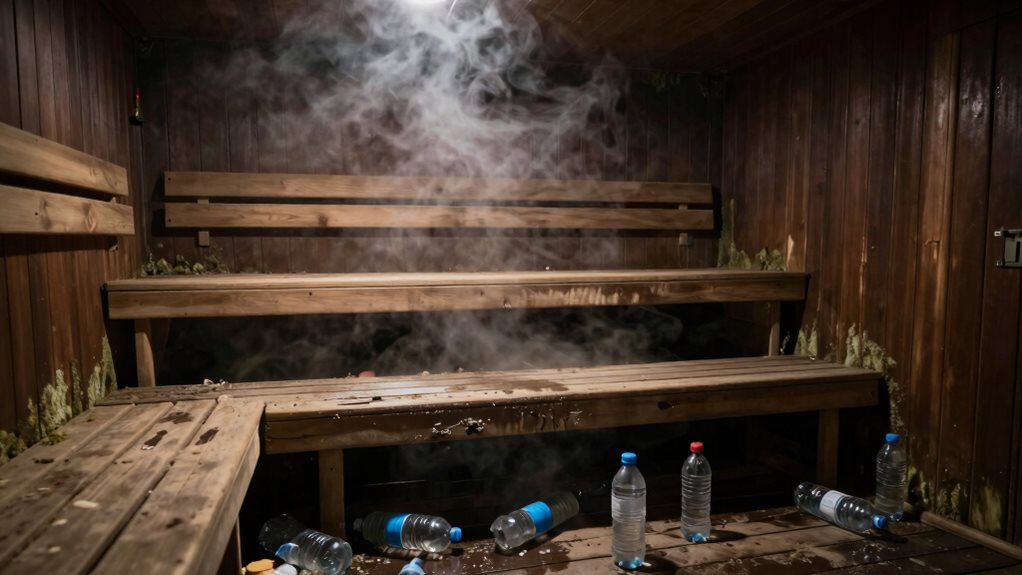

When you step into a sauna or steam room, the last thing you expect is a strong, unpleasant odor or a hidden patch of mold. These cleanliness issues can quickly turn tranquility into discomfort. You might notice debris on benches or fear infection from unseen bacteria lurking on surfaces. Poor ventilation can amplify these problems, making your experience less enjoyable. Keep on exploring how these factors can impact your sauna membership decisions.
Obnoxious Odors That Ruined My Experience
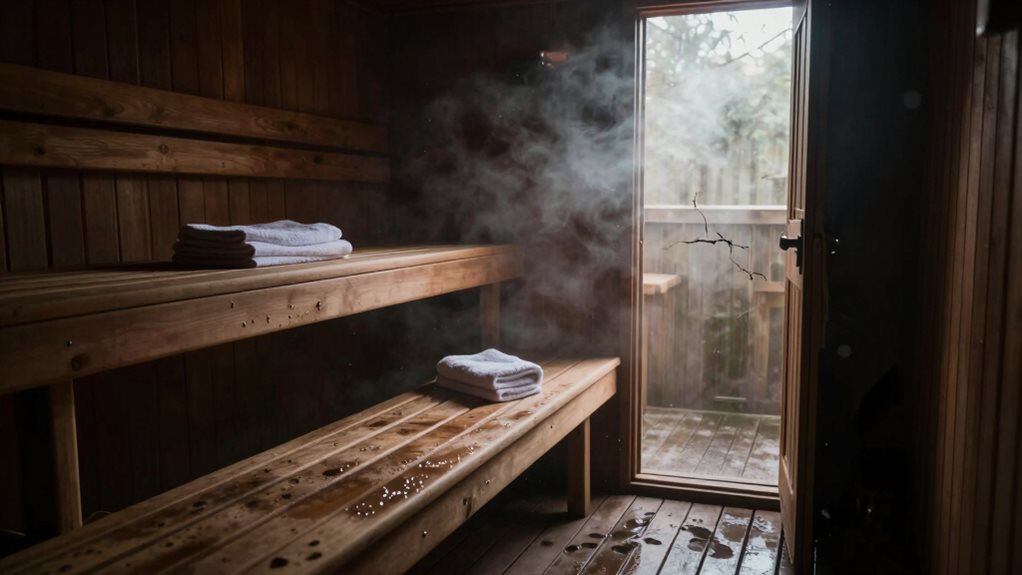
When you step into a sauna or steam room, you expect a relaxing escape, not an assault on your senses from some awful smells. Unfortunately, poor ventilation has you inhaling potent body odors intensified by trapped humidity. Just think about how hot air makes those scents more noticeable! When surfaces are damp, bacteria can make a feast of skin oils, leading to sour odors that stick around longer than you’d like. Plus, if other guests use heavy perfumes, those fragrances can leave behind greasy residues, adding to the olfactory chaos. Regular cleaning and good ventilation can help avoid this mess, keeping the air fresh, so you can truly unwind and enjoy your time in the heat! Proper ventilation is essential to managing moisture levels and preventing these unpleasant odors from taking over the sauna experience.
Mold and Mildew Marring the Serenity
Have you ever stepped into a sauna or steam room and noticed that musty smell lurking in the corners?
That odor often hints at mold and mildew, thanks to the high moisture levels, especially when humidity hits 70-80%. Saunas trap humid air, creating the perfect conditions for these unwelcome guests. If the air doesn’t circulate well, moisture seeps into wooden surfaces, turning them into a mold paradise. You mightn’t realize that sweat and spills can linger if not dried properly, feeding mold growth within just 24 hours. Regular cleaning and proper airflow are crucial to defeat this issue. Taking a moment to ventilate really can help preserve the serene atmosphere you seek. Ensuring proper air flow will effectively prevent mold growth and maintain a clean and inviting sauna experience.
Biofilm Build-Up: Unseen Dangers
When you think about saunas and steam rooms, you mightn’t consider the hidden dangers lurking within, like biofilm. This slimy layer of microorganisms can lead to health risks, mold growth, and cross-contamination, making your relaxing escape a bit more perilous than you’d expect. It’s crucial to understand how biofilm forms and the impact it can have, so you can keep your wellness sanctuary safe and inviting. In particular, it’s important to be aware that legionella thrives in warm water sources, potentially turning your peaceful retreat into a breeding ground for harm.
Hidden Health Hazards
Even though saunas and steam rooms seem like the perfect spots for relaxation, they can hide some serious health hazards under the surface. You mightn’t realize it, but biofilm build-up can be lurking in the plumbing.
Here are some hidden dangers you should know about:
- Bacteria thrive: Warm water and organic materials help bacteria grow, forming a sticky biofilm that clings to surfaces.
- Pathogens can aerosolize: Dangerous microbes like Legionella can turn into tiny droplets that you inhale.
- Infections are common: Skin and ear infections can occur, particularly if facilities aren’t maintained well.
- Unseen spikes in germs: Biofilm can suddenly release harmful bacteria, leading to unexpected illnesses.
Being aware of these hazards can help you stay safe while enjoying your time!
Mold and Fungi Growth
While enjoying the warmth of a sauna or steam room, you mightn’t think about what’s lurking behind the scenes.
Unfortunately, warm and moist environments create perfect conditions for mold and fungi to thrive. In just 24 to 48 hours, sweat left on benches or floors can lead to Candida yeast and Aspergillus fungi multiplying quickly. Additionally, warmth and moisture accelerate yeast growth, making these spaces particularly susceptible to infections. Structural integrity and user health are interconnected, and compromised hygiene can further amplify these risks.
Porous surfaces, like unsealed grout, trap moisture, further fueling fungal growth. When humidity exceeds 60%, it’s a breeding ground for harmful spores.
Picture a thin film of condensation acting as a buffet for mold. With improper ventilation, some sessions can turn into a hidden health risk.
It’s crucial to guarantee cleanliness and to keep those enjoyable spaces safe and mold-free!
Cross-Contamination Risks
To keep your sauna and steam room experience enjoyable, it’s important to understand that unseen dangers, like biofilm, can hide in the corners.
This sticky substance can harbor harmful bacteria, so watch out for these cross-contamination risks:
- Aerosolization: Tiny droplets can carry biofilm fragments and pathogens into the air for you to breathe.
- Direct Contact: Touching contaminated benches or tiles can transfer germs to your skin, leading to infections.
- Plumbing Issues: Backflow events can spread harmful water from biofilm-rich areas to clean parts of the facility.
- Shared Equipment: Using towels or cleaning tools that haven’t been disinfected can spread biofilm remnants around.
Stay aware of these risks to help keep yourself safe and healthy during your visits!
Accumulation of Debris and Detritus
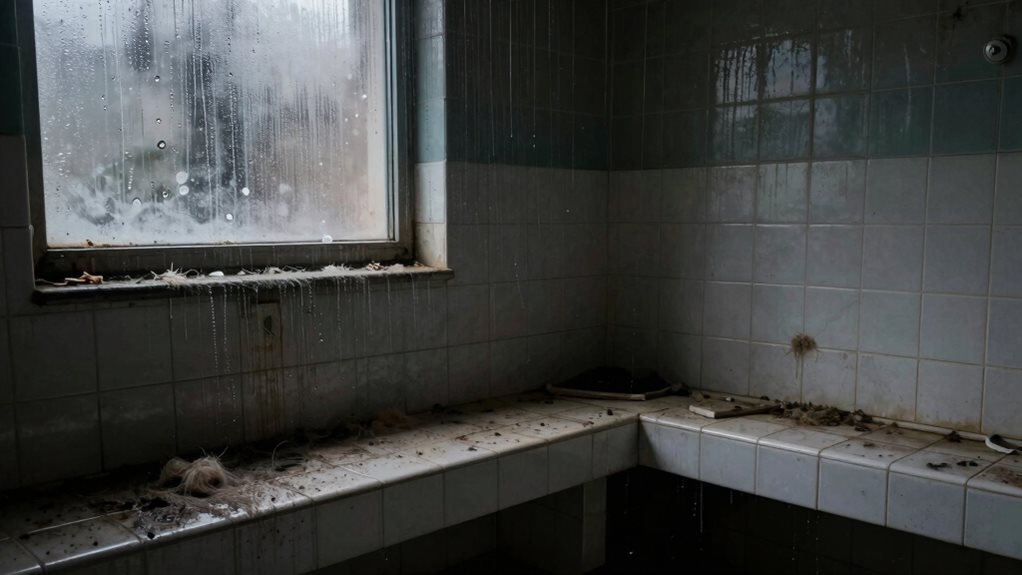
In a typical sauna or steam room, the accumulation of debris and detritus can surprise you if you don’t keep an eye on it.
Those wooden benches and grout lines often trap sweat films, body oils, and even tiny skin flakes, which can make slipping a real risk. You might also notice hair and towel fibers gathering in seams—definitely not pretty!
And if organic matter finds a home in wood or grout, it can start to smell.
Let’s not forget those water buckets and drains where hard water scales and soap residue pile up, creating a messy environment.
Regular cleaning is crucial; without it, debris builds up fast, and you’d be shocked at how quickly the lovely sauna turns yucky!
The Fear of Infection: A Lost Sense of Safety
Using a sauna or steam room can feel like stepping into a peaceful retreat, but lurking behind that soothing heat is a real fear: the potential for infection.
This can be concerning, especially when you consider:
- Legionella Bacteria: These germs thrive in warm water, and breathing contaminated steam can lead to serious illnesses like Legionnaires’ disease.
- Staphylococcus Aureus: This bacteria can linger on communal seats, causing painful boils if it finds its way into your pores.
- Viral Aerosols: Steam rooms aren’t hot enough to kill some viruses, which can easily spread in the humid, enclosed air.
- Vulnerable Groups: Those with chronic health issues face even greater risks in these environments. Regular sauna use can offer benefits for cardiovascular health, but with hygiene concerns, it’s hard to feel safe and at ease during your visit.
Forgotten Cleaning Protocols and Neglected Spaces
When you think about sauna and steam room cleanliness, don’t overlook how forgotten cleaning schedules and neglected hygiene areas can impact your experience.
Without a consistent routine, it’s easy for grime to build up in hard-to-see spots, like behind benches or in floor drains, making the environment less enjoyable.
Just like you wouldn’t ignore a spilled drink on your favorite carpet, these areas need attention too to keep things fresh and safe for everyone!
Unattended Cleaning Schedules
Cleaning schedules are often overlooked in saunas and steam rooms, which can create a perfect storm for hygiene problems.
When you skip regular cleaning, harmful bacteria can thrive in those warm, damp spaces.
Here’s what should happen regularly:
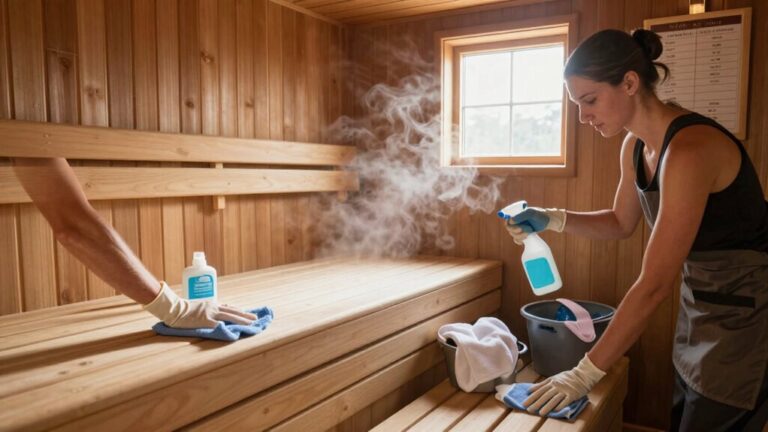
- Daily Tasks: Wipe down benches, walls, and floors post-use to remove sweat.
- Weekly Clean: Scrub surfaces, focusing on those hard-to-reach spots like under benches.
- Monthly Care: Check ventilation grilles and heating systems to keep them running well.
- Yearly Maintenance: Don’t forget a deep clean and inspections to catch any recurring issues.
Overlooked Hygiene Areas
Often, people think of cleanliness in saunas and steam rooms as just a surface-level issue, but certain overlooked areas need special attention. For instance, dirt and sweat can pile up under benches, where most body residues gather. Make certain to scrub these spots weekly to keep bacteria at bay. Additionally, traditional saunas typically require careful monitoring to ensure that steam levels remain balanced and don’t contribute to excess moisture buildup.
The drain and ventilation grates also deserve your focus; mold loves moisture, so clean them thoroughly. Don’t forget about steam generators—monthly cleaning will help avoid nasty calcium buildups. High-touch areas, like door handles and backrests, need daily attention to combat the spread of germs.
The Impact of Poor Ventilation on Enjoyment
While many people enjoy the soothing heat of a sauna or steam room, poor ventilation can seriously dampen that experience.
It’s not merely about the warmth; here are a few ways inadequate airflow can ruin your time:
- Crowded Air: Without fresh air, respiratory droplets linger longer, raising your risk of catching something unpleasant.
- Humidity Havoc: High moisture levels can create an environment perfect for bacteria, making surfaces less inviting. Warm, humid environments may also exacerbate respiratory issues for some users. Additionally, sauna use can benefit those with asthma by opening airways, but poor ventilation can counteract these benefits.
- Heat Stress: Poor ventilation raises the effective temperature, leading to discomfort that might make you leave early.
- Stale Smells: The unpleasant mix of body odors and old air can ruin any relaxing vibe you hoped to achieve.
In the end, proper ventilation is essential for a clean and enjoyable sauna experience!
Design Flaws That Foster Unsanitary Conditions
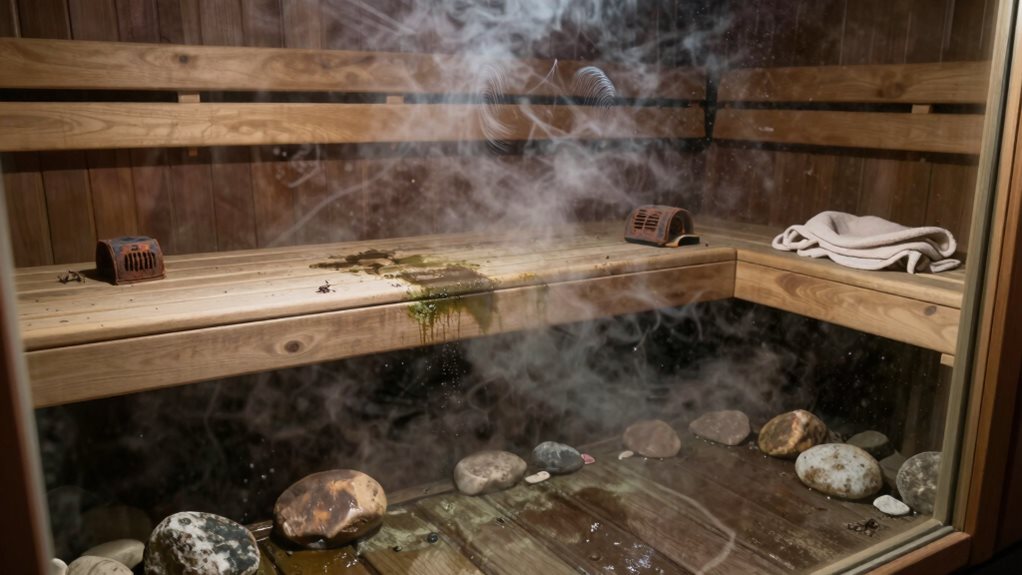
When you step into a sauna or steam room, you expect a tranquil escape, but design flaws can turn that oasis into a breeding ground for germs and grime.
Porous materials like untreated wood and unglazed tiles retain moisture, creating a cozy home for mold and bacteria. Inadequate drainage lets water pool where it shouldn’t, turning your peaceful retreat into a slippery hazard.
Plus, tight corners and tricky layouts make cleaning a nightmare, allowing dirt to hide in hard-to-reach places. Not to mention those high-touch surfaces, like door handles, that seem innocent but can harbor all sorts of unwanted guests.
Proper design is essential for cleanliness, and without it, your sauna experience could become less invigorating and more concerning.
Unenforced Hygiene Policies Diminishing Trust
When you use a sauna or steam room, you expect to find a clean and safe environment, right?
But without clear towel enforcement and effective signage, it can be tough to trust that hygiene policies are being followed.
If facilities aren’t consistent in communicating and enforcing these rules, it can leave you wondering just how clean those spaces really are.
Lack of Towel Enforcement
Making certain everyone follows towel rules in saunas mightn’t seem like a big deal, but without strict enforcement, it can lead to some serious hygiene issues that leave users feeling uneasy.
Here’s why towel enforcement matters:
- It helps keep benches clean by preventing direct skin contact.
- Strict rules reduce sweat contamination in humid environments.
- Regular checks guarantee towels aren’t left behind, which increases fire risks.
- It maintains trust in the facility’s commitment to hygiene and safety.
When towel policies aren’t enforced, you may feel less comfortable enjoying the sauna.
No one wants to sit on moist benches or worry about hygiene!
Maintaining a clean and safe sauna simply requires a little effort and attention to these towel rules.
Insufficient Signage Clarity
While you might stroll into a sauna expecting a relaxing experience, unclear signage can quickly shatter that promise. Inadequate signs, poorly placed or hard to read, can leave you guessing about crucial hygiene rules.
If signs are at odd heights or blend too much with the decor, you might miss important messages entirely. Also, vague rules like “sit on towel” without explanations don’t motivate you to comply.
Imagine trying to follow rules when wording changes from one sign to another! Plus, if signs often get damaged in steam, legibility drops even more.
Ensuring that all saunas and steam rooms adhere to accessibility guidelines not only improves functionality but also reinforces trust in cleanliness practices.
When you can’t trust what’s displayed, it undermines your confidence in the facility’s commitment to cleanliness, making your next visit feel less inviting.
How Cleanliness Affects My Membership Decision
Cleanliness plays a crucial role in your decision to stick with a gym or wellness center, especially when it comes to spaces like saunas and steam rooms.
You want to feel confident about using these facilities without worrying about germs or bad odors. Here are four key factors that can sway your membership choice:
- Regular Cleaning Protocols: You expect daily and weekly cleaning to keep bacteria at bay.
- Staff Monitoring: Frequent walk-throughs guarantee rules are followed and you’re safe.
- Clear Signage: Visible rules remind everyone to maintain hygiene for a pleasant environment.
- User Etiquette: Policies like sitting on towels make a big difference in cleanliness.
When cleanliness is prioritized, you’re more likely to stick around and enjoy your wellness experience!
Frequently Asked Questions
How Often Are Maintenance Checks Conducted in Sauna and Steam Rooms?
Maintenance checks in sauna and steam rooms happen frequently. Staff usually checks every 15-30 minutes, with deep cleaning every 3-6 months and additional inspections annually to guarantee everything’s safe and hygienic for you.
Are There Specific Cleaning Products Recommended for Sauna Surfaces?
Yes, you should use specialized cleaners like Tikkurila Supi Saunapesu or Harvia Sauna Cleanser. For gentle alternatives, consider mild castile soap or a vinegar solution. Always verify products are wood-safe before cleaning your sauna surfaces.
What Training Do Staff Receive on Hygiene Practices?
Staff receive thorough training on hygiene practices, including cleaning protocols, infection control, and user guidance. You’ll learn about routine maintenance, approved disinfectants, emergency procedures, and documentation to guarantee a safe environment for everyone.
How Can I Report Cleanliness Issues Anonymously?
You can report cleanliness issues anonymously by using dedicated hotlines, online forms, or facility-specific suggestion boxes. Include detailed descriptions, locations, and any evidence you have to guarantee a robust investigation into the problem.
Are Members Allowed to Provide Feedback on Cleaning Protocols?
Yes, you’re encouraged to provide feedback on cleaning protocols. You can use suggestion boxes or digital surveys to express your concerns, helping improve hygiene standards. Your input is valued and contributes to a cleaner environment.
Final Thoughts
To sum up, cleanliness in saunas and steam rooms is crucial for a great experience. When you step into a space that smells bad or looks dirty, it’s hard to relax. Mold, debris, and poor ventilation can ruin your enjoyment and raise health concerns. When hygiene policies aren’t enforced, it makes it hard to trust that these places are safe. Ultimately, feeling secure and comfortable is what keeps you coming back. Clean environments are key to a happy membership!