
Choosing sauna wood that fits your budget is easier than it sounds! Start with affordable options like Nordic spruce or poplar, which hold up well against heat. Look for thermally modified woods for better durability without a hefty price tag. Cedar and hemlock are great for benches due to their amazing heat retention and pleasant scents. By mixing higher-end woods with budget-friendly ones, you can balance cost and quality. Keep exploring, and you’ll discover even more smart tips!
Understanding the Different Sauna Woods
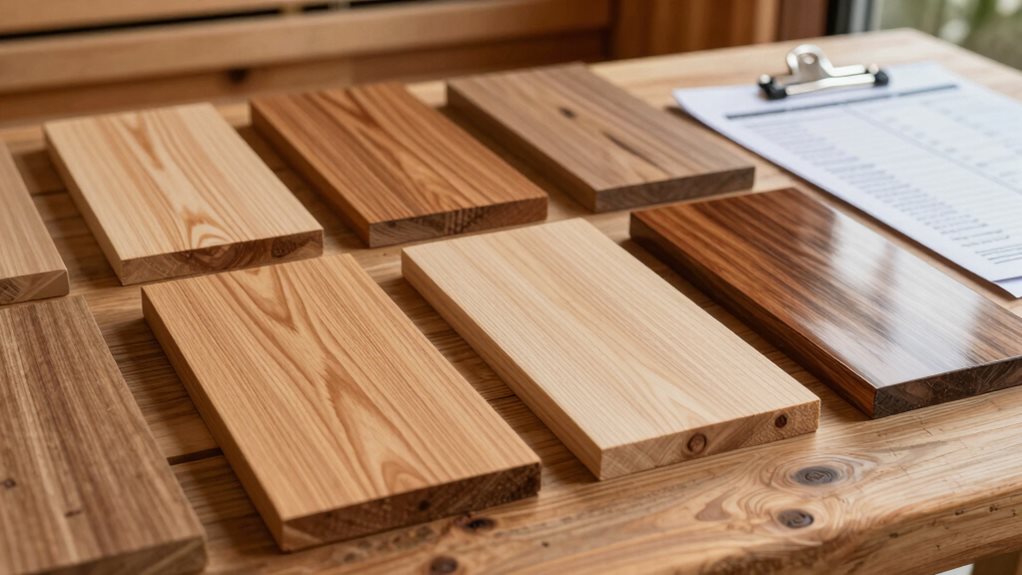
When you’re thinking about building or upgrading a sauna, understanding the different types of wood available can feel overwhelming, but it’s key to making a smart choice.
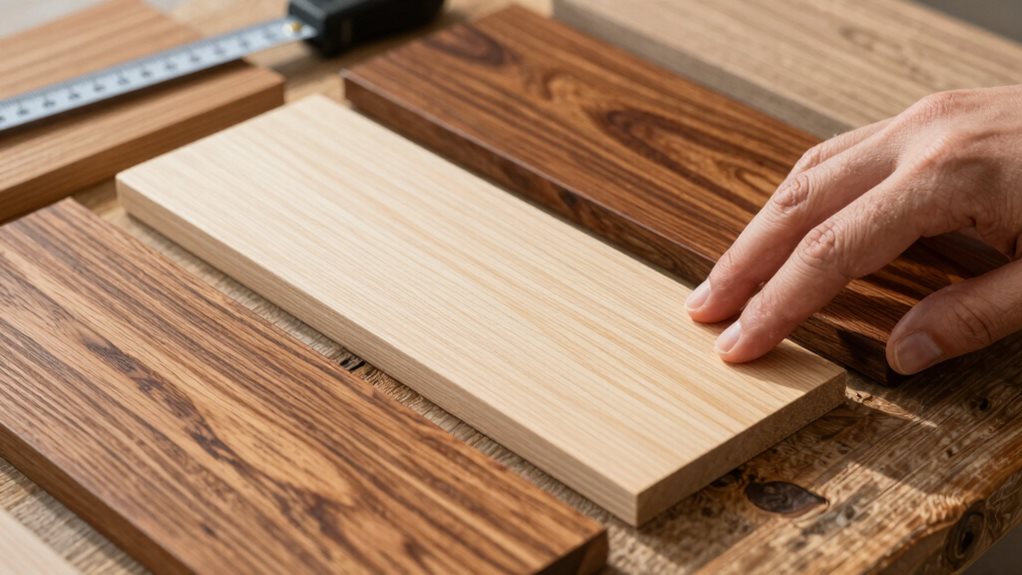
For instance, Western Red Cedar is popular thanks to its natural resistance to rot, aromatic scent, and long-lasting qualities. High-quality woods are essential for enhancing sauna longevity and performance. Overall best choices like cedar and hemlock provide durability and decay resistance, ensuring your investment lasts over time. Additionally, using natural wood sauna heaters can complement the benefits of your chosen wood by providing optimal heat distribution.
If you prefer a mild scent, Canadian Hemlock is stable under heat and great for benches.
Looking for hypoallergenic options? Aspen is a fantastic choice since it’s almost knot-free and gentle against your skin.
Meanwhile, Nordic Spruce offers a rustic charm, while Scots Pine, though commonly available, has a higher chance of warping.
Each wood type brings unique benefits, so picking the right one can transform your sauna experience into pure bliss!
Analyzing Cost vs. Durability
While you might be tempted to simply choose the cheapest wood for your sauna, considering the balance between cost and durability is essential for making a smart investment.
Western Red Cedar, known for its durability, tends to come with a higher price tag, but it offers long-lasting performance and low maintenance. Furthermore, the right wood choice ensures a safe and enjoyable sauna experience. A popular choice among sauna enthusiasts is sauna heater cedar wood, which complements the natural aesthetics of the space.
If your budget’s tighter, Nordic spruce or thermally modified wood can give you decent durability at a lower cost. Thermally modified wood offers higher durability and moisture resistance compared to traditional options.
Just remember, cheaper options like white pine may save you money upfront but could lead to higher maintenance costs down the line.
Using a mix of more durable wood for benches and affordable options elsewhere can help you strike the perfect balance between cost and longevity in your sauna project.
Heat and Insulation Properties
Choosing the right wood for your sauna isn’t just about aesthetics; it greatly impacts heat retention and user comfort.
For example, softwoods like aspen and alder feature low thermal conductivity, keeping bench surfaces cooler when the sauna heats up. Cedar, on the other hand, provides even heat flow and remains comfy to touch. However, it’s essential to remember that proper insulation not only enhances energy efficiency but also ensures a more consistent sauna experience. Additionally, opting for specialty sauna woods can significantly elevate your overall sauna experience by enhancing comfort and longevity. An effective way to achieve optimal heat retention is by incorporating sauna insulation kits into your setup.
If you’re looking for something unique, thermally modified woods offer improved insulation and stability.
However, don’t confuse these choices with insulation layers—wood alone won’t keep the heat in effectively like mineral wool or PIR.
Health Benefits of Various Woods
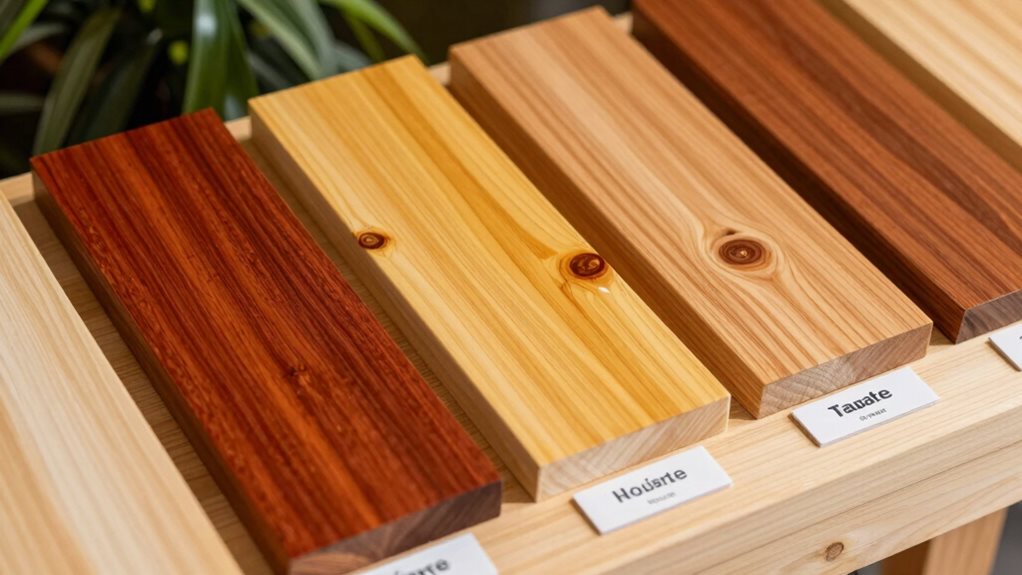
The type of wood you choose for your sauna can actually play a role in your health and wellness beyond merely comfort and aesthetics. For instance, cedar, popular for its pleasant aroma and resistance to decay, can improve your sauna experience by promoting relaxation and reducing stress. This wood’s natural antimicrobial properties might even help bolster your immunity. Additionally, using sauna wood with improved cardiovascular health qualities can enhance your overall experience and contribute to long-term wellness benefits. Moreover, the right wood can also support muscle relief and recovery by providing a soothing environment that aids in post-exercise relaxation. It’s essential to also consider sauna insulation building materials as they can significantly improve the efficiency of your sauna. On the other hand, hemlock is known for delivering excellent heat retention while soothing sore muscles after workouts. Each wood brings different benefits, from boosting cardiovascular health to promoting detoxification through sweating.
Budget-Friendly Tips for Choosing Sauna Wood
Finding the right sauna wood on a budget doesn’t have to feel like an impossible puzzle. You can save money by choosing low-cost species like poplar and Nordic spruce, which handle heat well. Consider using thermo-spruce for its affordability and durability, or hemlock for reliable benches and walls. For extra savings, you can pick appearance-grade boards with knots instead of clearer wood, since they’re cheaper but still effective. Additionally, choosing wood with low resin content helps prevent sap from leaking during your sauna experience. Western Red Cedar is often seen as the gold standard for its excellent performance in high-heat, high-humidity environments. Don’t overlook wood treatment methods like kiln-drying, which helps prevent warping. By prioritizing your budget for benches and investment in proper fasteners, you can enjoy a comfortable sauna without overspending. Explore bulk purchasing options or local suppliers, and you’ll secure great deals on your sauna project!
Frequently Asked Questions
What Are the Environmental Impacts of Harvesting Different Sauna Woods?
Harvesting different sauna woods can impact biodiversity, soil health, and carbon emissions. You’ll want to contemplate sourcing sustainable, certified options and locally grown woods to minimize habitat loss and reduce your carbon footprint.
Can Sauna Wood Selections Affect Resale Value of My Sauna?
Yes, your choice of sauna wood can greatly affect its resale value. Premium woods like cedar and hemlock improve appeal, while lesser-known types may deter buyers, influencing your sauna’s worth in the real estate market.
How Often Should I Replace Sauna Wood Due to Wear?
You should replace sauna wood every 1-2 years, depending on wear signs. Inspect for cracks or rough spots regularly, and maintain surfaces with sanding and refinishing to keep your sauna in great condition longer.
Are There Any Maintenance Differences Between Types of Sauna Wood?
Yes, maintenance varies. Cedar and basswood require less, needing annual treatments and mild cleaning. Thermally modified woods demand minimal care, while pine and spruce need frequent checks and more cleaning due to lower decay resistance.
What Wood Finishes Are Safe to Use in Saunas?
You should use water-based clear finishes, natural oils, or sauna-specific waxes inside saunas. These options protect the wood while minimizing harmful fumes and providing a safe, comfortable experience during your sauna sessions. Avoid film-forming products.
Final Thoughts
Choosing sauna wood doesn’t have to break the bank! By understanding the different types of wood, their costs, and durability, you can make an informed choice that suits your budget. Remember to evaluate the heat and insulation properties, too. Whether you lean towards cedar for its aroma or pine for its affordability, picking the right wood will improve your sauna experience. So, immerse yourself, explore your options, and enjoy a warm and inviting sauna without overspending!