

Cold plunges and thermal saunas pack a powerful punch for your wellness routine! Cold plunges help reduce soreness and boost mood by getting your blood flowing and releasing feel-good hormones. On the flip side, saunas raise your heart rate, improve circulation, and reduce stress. By alternating these therapies, you can elevate recovery, improve immune function, and combat negative thoughts. Want to discover even more tips on how to maximize these benefits? Stick around for more insights!
Physiological Effects of Cold Plunge Therapy
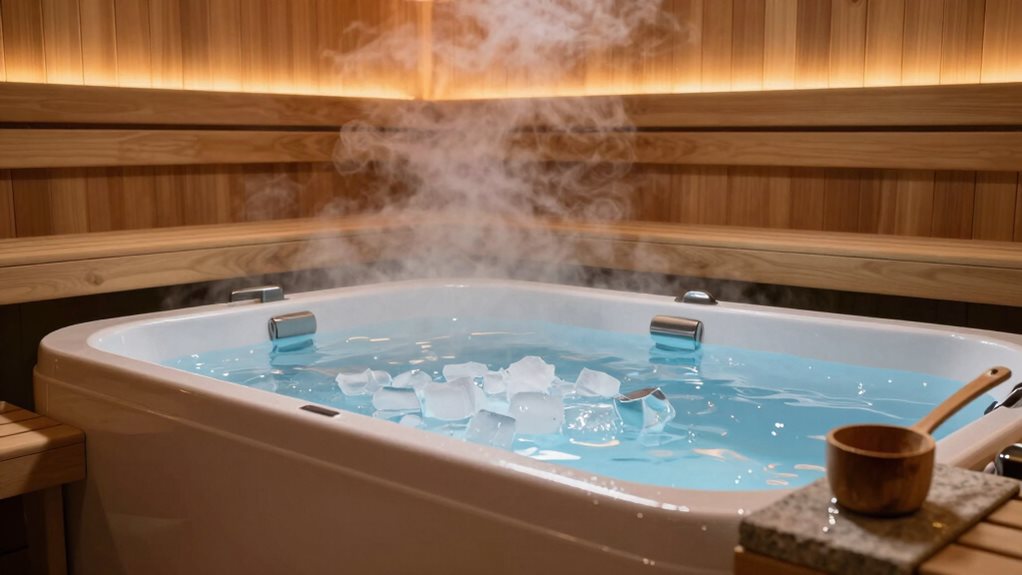
When you take a cold plunge, your body goes through some pretty fascinating changes!
First off, your blood vessels constrict, reducing blood flow and inflammation in sore spots. This helps slow down soreness after exercise.
Once you warm back up, your blood vessels expand again, flushing out waste and improving circulation. Plus, your body releases feel-good chemicals like endorphins and dopamine, which lift your mood and focus for hours.
Cold plunges can also help your muscles recover faster by flushing out waste and lowering soreness. It’s like giving your muscles a revitalizing wake-up call!
Physiological Effects of Thermal Sauna Therapy
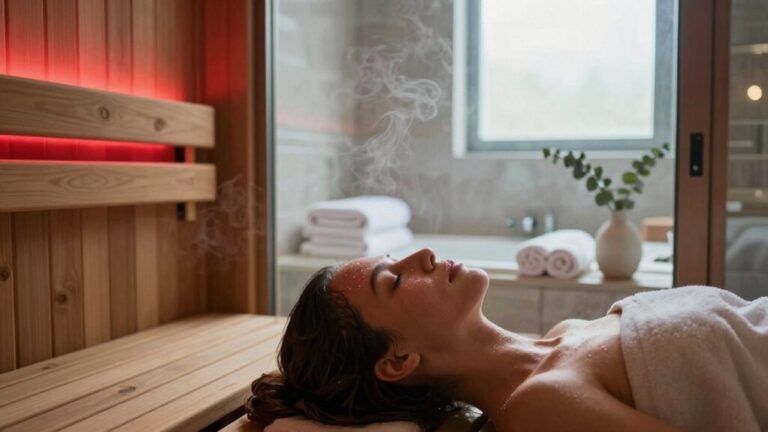
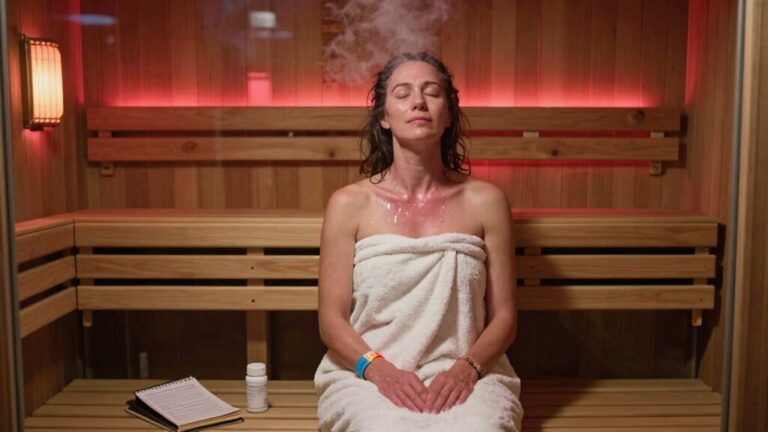
When you step into a thermal sauna, your body kicks into high gear, responding to the heat stress by ramping up your heart rate and blood flow, almost like it’s exercising without you having to move a muscle!
This warm hug not just feels fantastic but comes with some serious cardiovascular benefits, such as lowering blood pressure and reducing inflammation. Additionally, regular sauna use promotes cardiovascular health, reinforcing its role as a vital component of an effective wellness routine.
Plus, as your body sweats it out, you might notice a boost in overall well-being, making the sauna more than just a cozy retreat; it’s a secret ally for your health!
Heat Stress Response
Thermal sauna therapy has a fascinating way of affecting your body through heat stress response, and the results can be quite remarkable.
When you step into a sauna, your core temperature rises, often reaching 38.4°C in just 30-40 minutes. This trickles down to activate heat shock proteins, which protect your cells and help reduce oxidative stress.
You might also feel happiness as your body releases endorphins, similar to the runner’s high. As you sweat, your heart rate doubles, offering benefits comparable to working out.
The warm environment helps calm your mind, reducing anxiety and improving focus.
Cardiovascular Benefits
Sauna therapy not only provides a relaxing escape but also plays an important role in boosting your cardiovascular health. When you sit in a sauna, your heart rate increases, much like during moderate exercise, helping your heart become stronger. Regular sauna use can lower your blood pressure and even improve your heart’s pumping ability—especially beneficial if you struggle with hypertension. Think of sauna sessions as a warm hug for your heart!
Research shows that frequent sauna bathing is linked to a lower risk of heart disease and sudden cardiac events, and this is particularly important as peripheral arterial disease affects millions of individuals globally. After workouts, hitting the sauna can improve your recovery and fitness further, making it a valuable addition to your wellness routine. Additionally, regular sauna bathing can help maintain healthy blood pressure levels, ensuring your heart remains in great shape.
It’s a win-win for your heart!
Inflammation Reduction Effects
In addition to boosting your heart health, sauna therapy also steps up to the plate by tackling inflammation.
When you soak in the soothing heat of an infrared sauna, you may notice a decline in nasty inflammatory markers like C‑reactive protein. This happens as heat encourages your body to release protective genes that fight inflammation and help clear out metabolic waste.
That means less pain and stiffness, especially for folks with arthritis or chronic pain. Plus, the heat helps your blood flow, which aids recovery after exercise.
With regular sauna sessions, you not only feel good but might also be giving your body a better chance to combat inflammation long term.
Who knew relaxation could pack such a punch?
Health Outcomes: Immune Function and Inflammation
When it comes to boosting your immune system and reducing inflammation, the choices between cold plunges and sauna therapy may feel like a hot debate (pun intended!).
Cold plunges quickly mobilize immune cells, including natural killer cells, which helps your body respond to threats. Studies show that regular cold exposure might lead to fewer sick days due to increased immune responsiveness.
Cold plunges invigorate immune cells, boosting your body’s defense and potentially reducing sick days.
On the flip side, saunas raise your white blood cell counts and activate protective heat-shock proteins, improving your immune surveillance.
Both options can help reduce inflammation, but they do it differently. Cold immersion calms acute inflammation while saunas enhance circulation and remove inflammatory substances.
Whether you prefer hot or cold, there’s no doubt these therapies can support your overall health!
Impact on Mood and Mental Well-Being
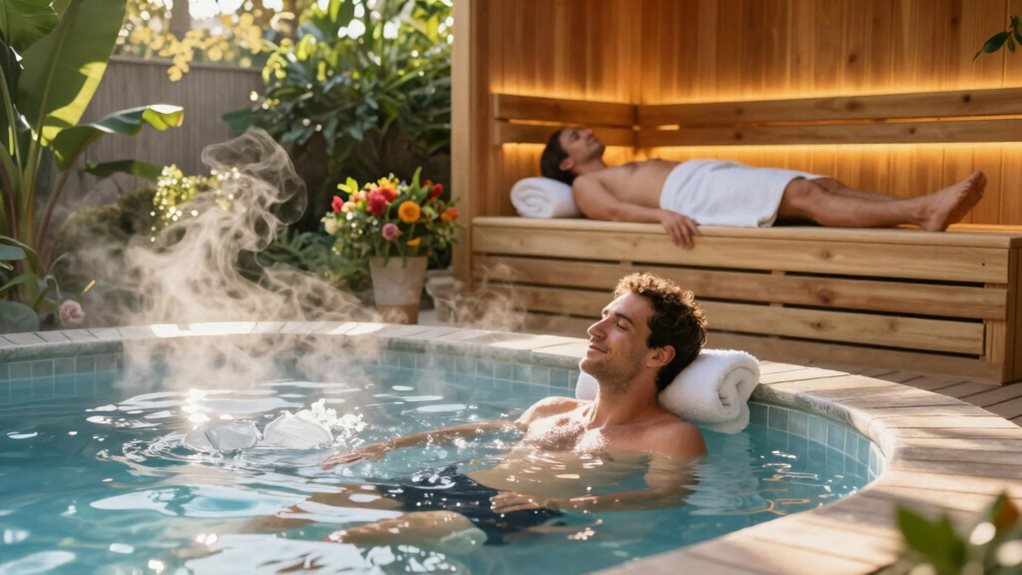
When you jump into a cold plunge or settle into a sauna, you’re not merely treating your body; you’re giving your mood a boost, too!
Cold immersion can lift your spirits by making you feel more alert and reducing any nervousness you might have.
On the other hand, the warmth of a sauna helps you relax and feel less stressed, creating a perfect balance for your mental well-being.
Positive Affect Enhancement
Experiencing a boost in your mood isn’t just a happy coincidence; it can actually be a result of cold plunges and thermal sauna therapy.
When you take a cold plunge, your body releases norepinephrine and epinephrine, which can make you feel more alert and energized. Plus, those chilly dips spike your dopamine and endorphin levels, increasing feelings of joy and motivation.
Research shows that after just one cold immersion, your mood can brighten considerably. Imagine feeling a rush of pride and inspiration as the cold water awakens your senses.
The newfound energy and positive feelings can linger long after the plunge, making you more upbeat and focused throughout your day. Welcome the chill for a happier you!
Reduced Negative Affect
Cold plunges and thermal sauna therapy can markedly reduce negative feelings and improve your mental well-being.
After just 20 minutes in cold water, you might notice a drop in anxiety, helping clear your mind. Cold exposure even triggers your brain’s happy chemicals, like norepinephrine, lifting your mood and focus.
On the flip side, regular sauna sessions can banish depressive feelings, leaving you feeling more relaxed and tension-free. The warm heat relaxes your mind, making stress a distant memory.
If you mix both therapies, you’re really onto something! Alternating between hot and cold boosts your body’s stress tolerance and fights off negative thoughts, creating a harmonious cycle that promotes overall happiness.
Performance Recovery: Cold Plunge vs. Sauna
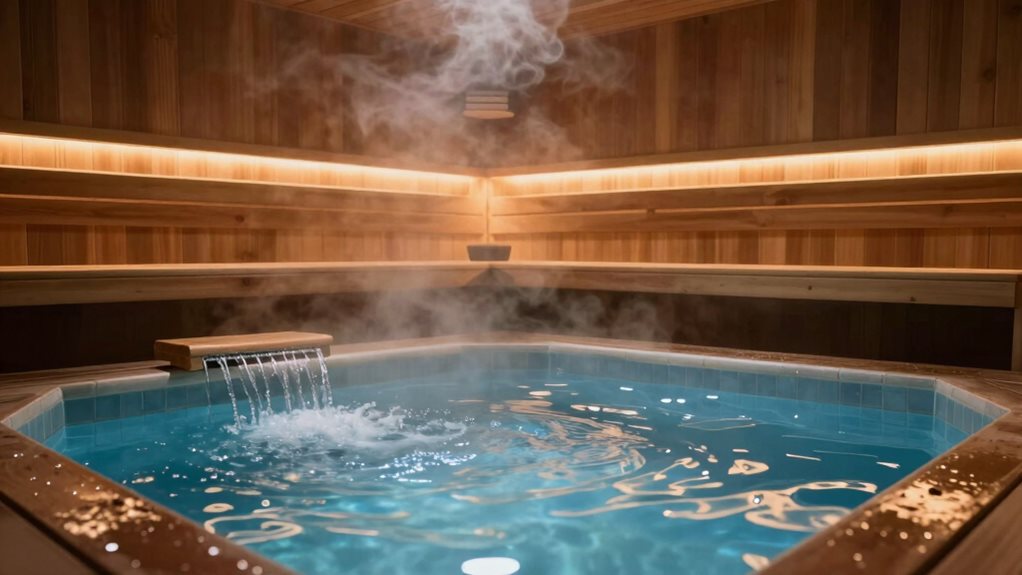
While both cold plunges and sauna therapy can be beneficial for performance recovery, they do different things for your body.
Cold water immersion works wonders for reducing soreness, especially after intense workouts, numbing pain and speeding up recovery through vasoconstriction. So, if you’ve pushed your limits, an ice bath might be your best buddy!
On the other hand, saunas help relax your muscles by increasing blood flow and warmth, making you feel more limber and ready for lighter training.
To get the best of both worlds, consider alternating between cold and heat treatments. This combo could help you recover faster while keeping your training goals in check.
Just remember to listen to your body and choose what feels right!
Safety Considerations and Contraindications
Before diving into cold plunges or sauna therapy, it’s crucial to take into account your health and any specific conditions you might have.
Safety is key, and knowing who should avoid these therapies can help you steer clear of potential risks. Here are some important considerations:
- Cardiovascular Concerns: If you have high blood pressure or heart conditions, cold plunges and saunas may not be safe for you.
- Respiratory Issues: Chronic lung disease makes cold plunges risky due to potential drowning.
- Pregnancy and Vulnerability: Pregnant women and young children should stay clear of both therapies to avoid unexpected shocks to their systems.
Always listen to your body and consult with a healthcare provider if you’re unsure; keeping yourself safe is the most important thing!
Combining Cold and Heat: Contrast Therapy Benefits
Integrating heat and cold therapies, known as contrast therapy, can offer incredible benefits for your body, especially when it comes to recovery and pain management.
By alternating between heat and cold, you can stimulate your blood vessels—heat opens them up, while cold narrows them. This pumping action boosts circulation, helps deliver nutrients, and accelerates healing. Research indicates that contrast therapy may yield superior recovery outcomes for muscle regeneration compared to heat or cold alone.
Alternating heat and cold stimulates blood vessels, enhancing circulation, nutrient delivery, and healing.
Imagine your muscles feeling less sore after a workout, thanks to heat relaxing them and cold reducing inflammation. You can even find relief from pain, as warmth soothes tight muscles and cold numbs discomfort.
Plus, switching between temperatures can help you manage inflammation and support recovery, making contrast therapy a smart choice for improving your overall wellness.
Best Practices for Optimal Wellness Protocols
To get the most out of your wellness experience with cold plunges and sauna therapy, it’s crucial to follow some best practices that guarantee safety and effectiveness.
Here are three key points to remember:
- Assess Your Health: Before starting, check for any health risks, like cardiovascular issues or pregnancy, to stay safe.
- Start Slow: If you’re new to either therapy, begin with shorter sessions—about 5–10 minutes for the sauna or 30–60 seconds in a cold plunge—and gradually increase your time as you adapt.
- Monitor Your Body: Pay attention to how you feel during sessions. If you experience dizziness, chest pain, or shortness of breath, stop immediately!
Keeping these tips in mind can improve your wellness experience while making sure you enjoy the benefits safely and effectively.
Frequently Asked Questions
How Do Cold Plunges and Saunas Affect Skin Health?
Cold plunges tighten pores, reduce inflammation, and elevate collagen, while saunas flush toxins, improve blood flow, and enhance skin glow. Together, they promote clearer, healthier skin by combining the benefits of heat and cold therapy.
Can Cold Plunges and Saunas Help With Weight Loss?
Yes, cold plunges and saunas can contribute to weight loss. They increase calorie burn and improve metabolic rate, but they’re not substitutes for diet and exercise. Consider them as supplements to a balanced weight loss strategy.
Are There Specific Age-Related Recommendations for Using Cold or Heat Therapies?
Yes, there are age-related recommendations. Cold immersion isn’t advised for kids under 8, while adolescents can handle it briefly. Older adults should also avoid extreme temperatures without a doctor’s approval due to health risks.
How Do Individual Preferences Influence the Effectiveness of These Therapies?
Your preferences greatly influence therapy effectiveness. If you favor energizing experiences, cold plunges may suit you; however, if relaxation’s your goal, saunas might be more advantageous. Tolerating discomfort also affects your adherence to each modality.
What Should I Eat or Drink Before and After These Therapies?
Before sessions, hydrate with 250–500 mL of water and eat easily digestible carbs. Afterward, rehydrate with 300–600 mL water and consume 20–30 g of protein alongside carbohydrates to support recovery and replenish energy.
Final Thoughts
Incorporating cold plunges and sauna therapy into your wellness routine can greatly boost your health and recovery. Each method has unique benefits, from improving immune function to elevating mood. By combining both therapies, you can maximize their effects, enjoying the best of both worlds. Remember, though, to listen to your body and consult a healthcare professional if you’re unsure. So, why not give it a try? Your wellness experience could become even more exciting and effective!