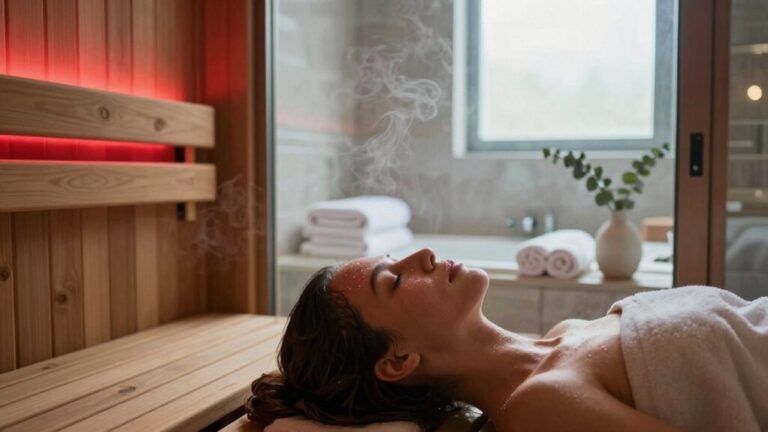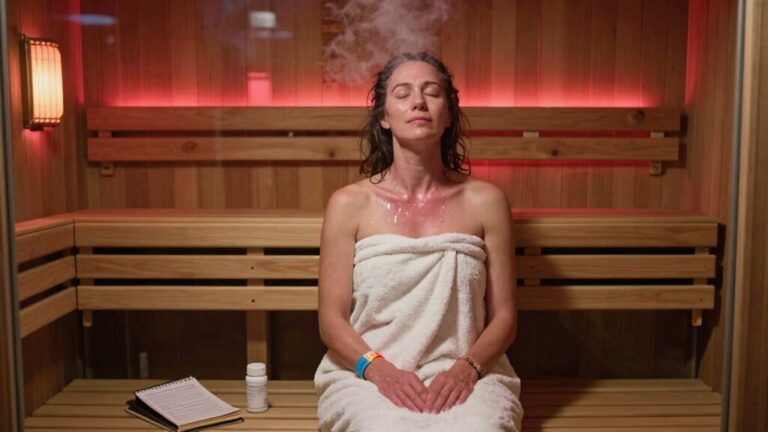
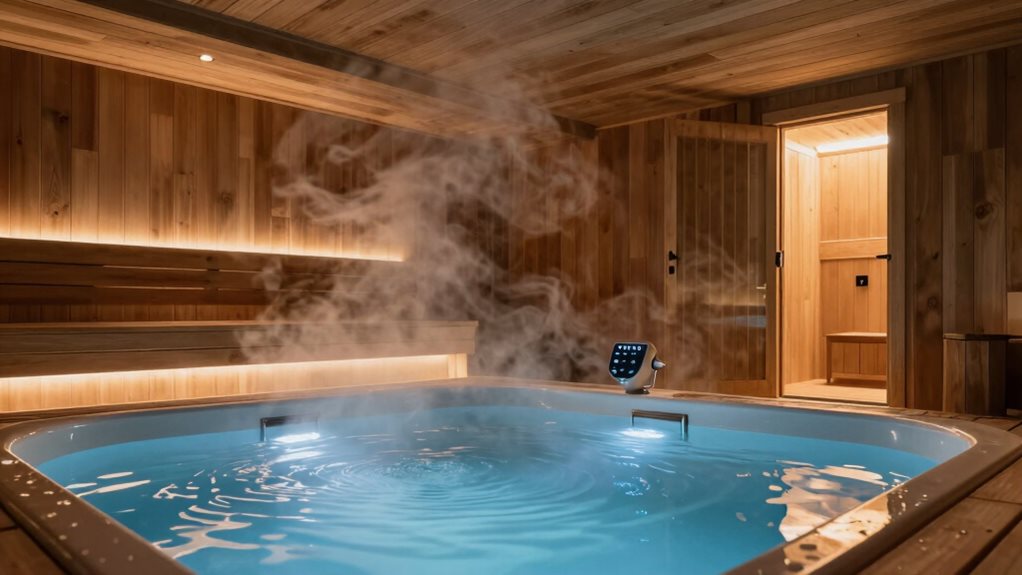

Cold plunges and sauna sessions aren’t just a trend; they’re shaping the future of gym recovery! When you use a sauna, it elevates your heart rate and helps with muscle relaxation, while cold water immersion reduces soreness and inflammation. These methods may improve your immune system and even lift your mood. But, using them safely is key! Curious about how they can improve your workouts and overall health? Stick around to find out more!
Understanding Physiological Effects on Circulation and Cardiovascular Health
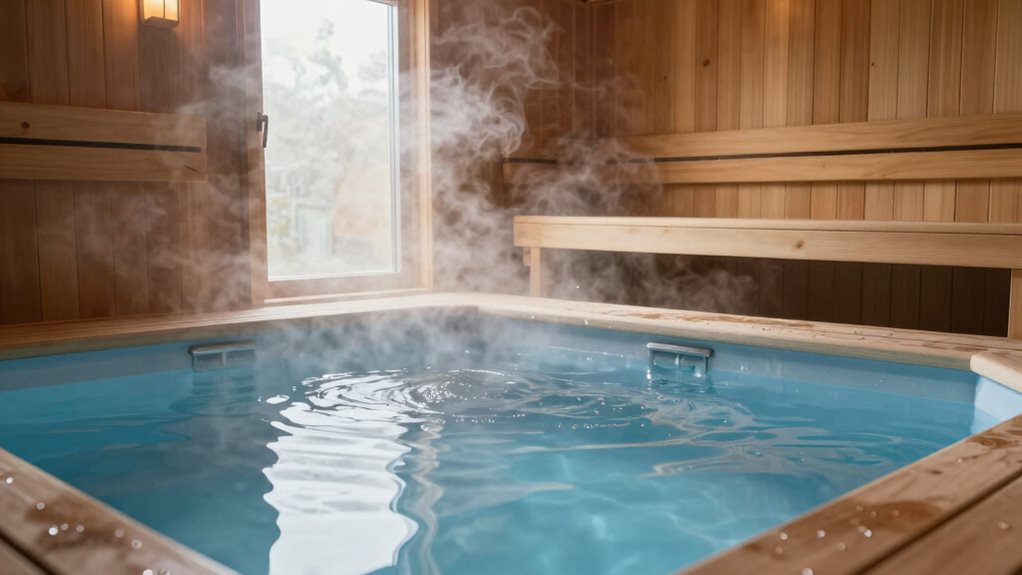
When you step into a sauna or plunge into icy water, it might seem like just a fun way to relax, but there’s a lot more happening beneath the surface that affects your heart and blood flow.
Stepping into a sauna or cold plunge? Discover how these experiences impact your heart and circulation beyond mere relaxation.
In the sauna, your heart rate can soar by 30 to 70%, making it feel like you’re exercising! Meanwhile, your blood vessels widen, lowering your blood pressure. This process of blood vessel dilation helps increase circulation, aiding in muscle relaxation and detoxification.
On the other hand, when you immerse yourself in cold water, your body reacts with a rush—sometimes your heart races, then slows down as your diving reflex kicks in.
Both experiences challenge your cardiovascular system, offering potential health benefits.
The Role of Cold Water Immersion in Recovery and Inflammation
Cold water immersion can be a game-changer when it comes to muscle recovery.
By spending just 10 to 15 minutes in chilly water, you can considerably reduce muscle soreness and speed up your recovery process.
Plus, it helps keep inflammation in check, making it a smart choice for athletes who want to bounce back and perform at their best.
Reducing Muscle Soreness Effectively
While you might think that after an intense workout, the best remedy is a nice hot shower, immersing yourself in cold water post-exercise can actually work wonders for reducing muscle soreness.
Research shows that spending 10 to 15 minutes in water at 11 to 15°C right after your workout greatly lowers muscle soreness within 24 hours. If you plunge in sooner—ideally within 10 to 30 minutes—you’ll feel even better!
Cold water helps cool your muscles down, limits swelling, and even slows down secondary damage. It’s like hitting the refresh button for your muscles!
Plus, using cold water immersion regularly during tough training weeks can help you bounce back faster, keeping you ready for your next session.
Impacts on Inflammation Reduction
After an intense workout, muscle soreness often makes you feel like you’ve been hit by a truck. Cold water immersion (CWI) can be your best friend here!
It works by reducing inflammation through vasoconstriction, limiting blood flow to injured tissues. This means fewer inflammatory substances hang out where they shouldn’t.
When you plunge into cold water, the lowered temperature keeps metabolism slow, reducing swelling and tissue damage. It even decreases cell permeability, leading to less leakage of markers that signal damage.
Just remember, moderate exposure—around 10 to 15 minutes—is typically most effective for easing soreness.
Impacts of Sauna Use on Metabolism and Body Composition
Using a sauna can really boost your metabolism and help with body composition in some interesting ways.
As you sit in the heat, your body has to work harder, raising your metabolic rate and burning more calories, almost like a workout. Plus, regular sauna sessions can lead to weight loss and improved insulin sensitivity, making it a powerful tool for achieving your fitness goals. Additionally, the activation of brown adipose tissue (BAT) during sauna use aids in calorie expenditure and mimics the effects of moderate-intensity exercise.
Hyperthermia and Metabolic Rate
Sauna use can considerably boost your metabolic rate, giving you an extra lift in calorie burning. Just one sauna session can help you burn between 300 and 600 calories, depending on factors like heat intensity and your body weight.
Imagine sitting in a warm room and shedding calories—sounds great, right? Research shows that after repeated sauna exposure, your metabolic rate could increase by 25-33% in just one day. Additionally, monitoring hydration levels during prolonged sauna use is crucial to prevent dehydration and maintain optimal metabolic function.
Plus, this heat stress actually improves how your body uses energy, promoting fat breakdown. Regular sauna sessions can lower cholesterol and support fat loss, making them a valuable addition to your fitness routine.
Thermogenic Responses Explained
When you step into the heat of a sauna, your body doesn’t just sweat; it starts a fascinating process that impacts your metabolism and body composition.
As you relax, your heart rate rises and so does your energy use—it’s like your body’s in workout mode without the gym! For instance, a 40-minute Finnish sauna can burn about 333 calories, similar to a moderate-intensity workout.
Plus, regular sauna sessions boost heat-shock proteins, which help your body manage glucose and reduce inflammation—key players for better metabolic health.
Even your circulation improves, which means nutrients can get to your muscles more effectively.
Weight Loss Considerations
Many people think that stepping into a sauna can help them shed pounds, but the reality is a bit more complex.
While a sauna does increase your heart rate and energy expenditure, the calories burned aren’t considerable enough to replace exercise. You might lose weight right after a sauna session, but that’s mainly water loss from sweat, not fat. After rehydration, your weight returns.
Some studies suggest repeat sauna use could correlate with small fat reductions, but they often lack solid scientific controls. Additionally, long-term evidence supporting fat loss from sauna sessions is limited, leaving us with more questions than answers. However, it’s important to note that infrared saunas can burn calories effectively, potentially contributing to overall energy expenditure when used regularly. Regular sauna sessions may support the weight-loss journey, but they should not be relied upon as a primary method for weight loss.
Exploring Immune Function and Mental Health Benefits
While you might think of saunas and cold plunges as just a way to relax or recover after a tough workout, they actually do wonders for your immune system and mental health, too. Here’s what you can expect:
- Regular sauna use boosts white blood cell production, improving your immune response.
- Cold plunges reduce inflammation, lowering your risk of autoimmune issues.
- Both therapies trigger a stress response, encouraging the production of immune cells.
- Cold exposure releases norepinephrine, enhancing your focus and mood.
- Incorporating these methods may prevent infections and improve your overall wellbeing.
Using saunas and cold plunges not only supports your body’s defenses but also uplifts your mental state, making it a win-win for your recovery routine!
Safety Considerations and Contraindications for Sauna and Cold Plunge Use
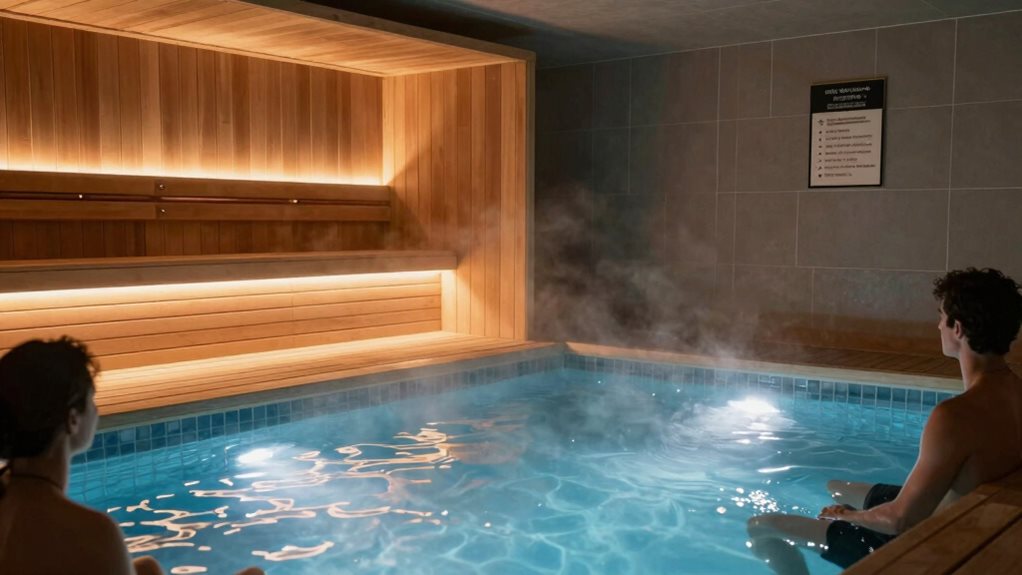
Before you plunge into the relaxing world of saunas and cold plunges, it’s essential to contemplate some safety precautions. Sudden temperature shifts can strain your heart, especially if you have pre-existing conditions like high blood pressure or heart issues.
Always check with a doctor if you’re unsure. It’s smart to start slow—try brief sauna sessions and cold water at moderate temperatures.
Watch out for cold shock; jump in gradually to avoid gasping or losing coordination. Plus, if you’re pregnant or using certain medications, you should really think twice before diving in.
Identifying Research Gaps and Future Directions in Recovery Protocols
As you plunge into the intriguing domain of recovery protocols, it’s clear that a multitude of research gaps exist, offering exciting opportunities for future exploration.
Exploring the fascinating realm of recovery protocols reveals numerous research gaps ripe for investigation.
To truly understand how cold plunges and saunas impact your recovery, researchers need to focus on certain areas:
- Conduct more large-scale randomized controlled trials to compare long-term effects of recovery methods.
- Explore the influence of sauna on endurance and strength adaptations over extended periods.
- Include more diverse populations in studies, especially women and older adults.
- Investigate the ideal timing and frequency of cold immersion for peak performance.
- Explore deeper into the physiological interactions of heat and cold on muscle and recovery pathways.
Addressing these gaps could revolutionize how you, and others, approach recovery!
Frequently Asked Questions
Can Cold Plunges or Saunas Boost Athletic Performance Directly?
Yes, cold plunges and saunas can boost athletic performance directly by aiding recovery, reducing soreness, and improving cardiovascular function. However, timing and application are essential to optimize benefits and avoid potential drawbacks.
How Often Should I Use a Sauna or Cold Plunge for Optimal Results?
You should use a sauna 2-3 times a week, aiming for 25-55 minutes per session. Combine it with cold plunges 2-4 times weekly, adjusting durations as you progress to optimize recovery and performance.
Are There Age Restrictions for Using Saunas and Cold Plunges?
Yes, there are age restrictions. Children under 5 should avoid saunas, while supervision is necessary for ages under 16. Cold plunges require similar precautions, especially for those with medical conditions. Always consult a healthcare professional.
How Do I Safely Transition Between Hot and Cold Therapies?
To safely shift, start with shorter durations and milder temperatures. Gradually increase exposure times and monitor your body’s reactions. Aim for a 1:3 or 1:4 cold-to-heat ratio, securing hydration throughout the process.
What Type of Sauna Is Most Effective: Infrared or Traditional?
Both infrared and traditional saunas have benefits, but if you prefer a longer, more tolerable session, infrared might suit you better. Traditional saunas deliver intense heat quickly, improving cardiovascular benefits, but require shorter time limits.
Final Thoughts
So, is cold plunging and sauna use just a trend or here to stay? These recovery methods offer exciting benefits for your body and mind, like improved circulation and reduced inflammation. While research is still ongoing, many athletes and fitness enthusiasts swear by them. Just remember to keep safety in mind and listen to your body. Whether it’s a rejuvenating plunge or a cozy sauna session, these practices might just be the boost your recovery routine needs!