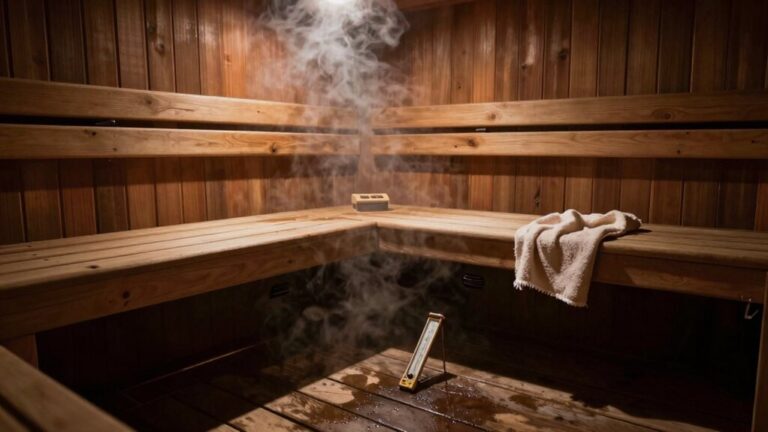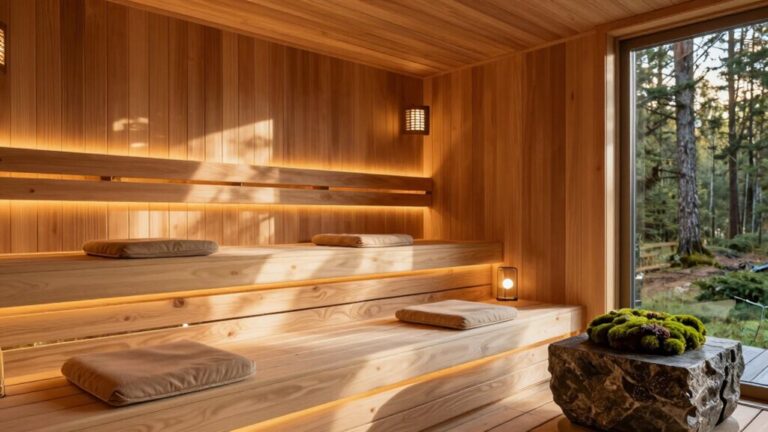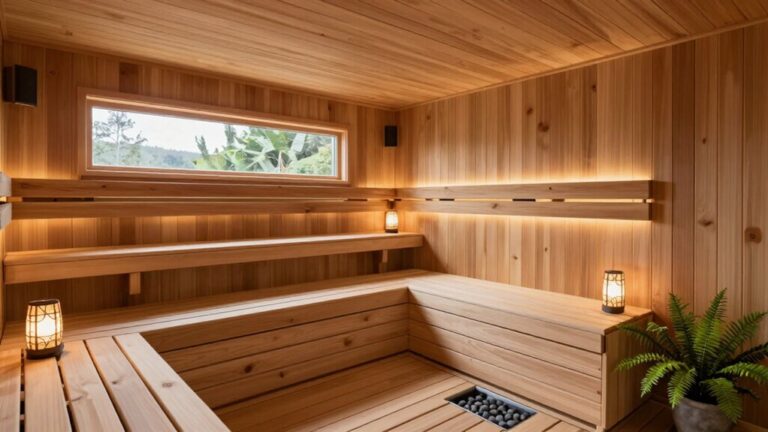
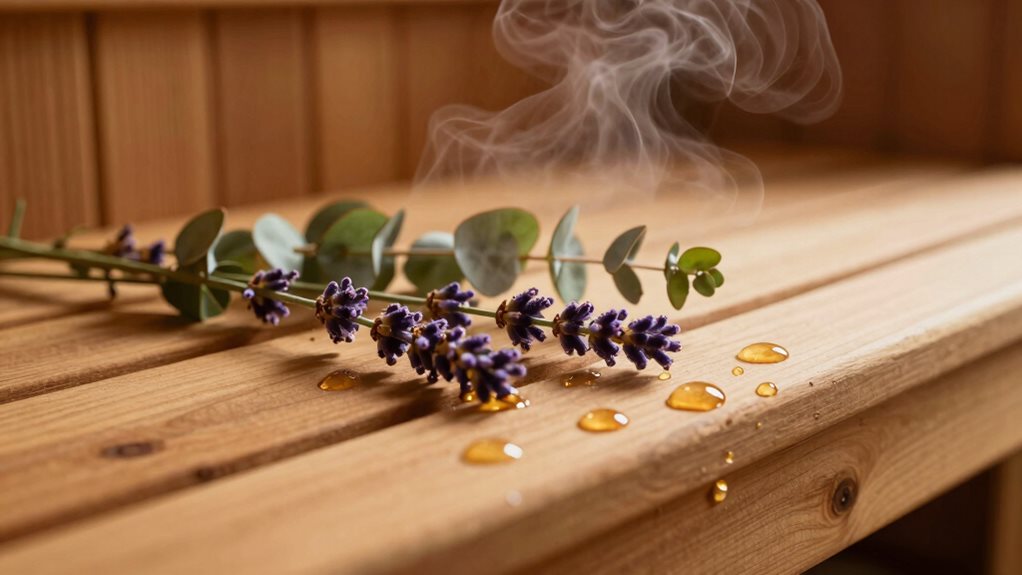

Choosing the right wood for your sauna is important! Western Red Cedar offers a sweet aroma and lasts around 40 years, but it’s pricey. Hemlock is budget-friendly with a mild scent, while Basswood and Aspen are hypoallergenic and light. Think about what aroma you prefer, how much you’re willing to spend, and how long you want your sauna to last. Each option has its perks, so there’s plenty more to uncover about your perfect sauna wood!
Types of Sauna Wood and Their Characteristics
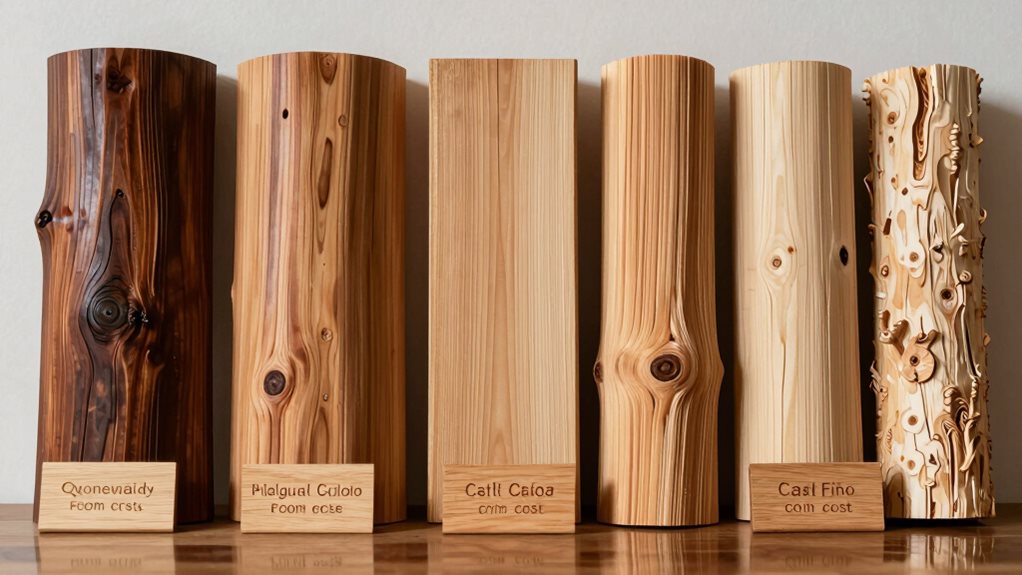
When it comes to choosing the right wood for your sauna, understanding the types available can really help you make the best decision. Western Red Cedar stands out for its stability, preventing unwanted expansion or contraction. It’s water-repellent and won’t overheat, making it great for insulation. Additionally, the durability of quality wood enhances sauna longevity through better resistance to fluctuating temperatures and humidity.
Hemlock is another solid option due to its resistance to warping and rotting in humid conditions. If you’re looking for hypoallergenic choices, Basswood and Aspen are perfect, as they remain cool to the touch! Basswood’s lightweight nature and Aspen’s high splinter resistance make them user-friendly. Meanwhile, Poplar offers durability on exteriors but has average strength. Each type has unique traits, so choose what best fits your sauna needs and personal preferences!
Aroma Profiles of Popular Sauna Woods
There’s something special about the aromas that fill a sauna, and each type of wood brings its own unique scent to the experience.
Western Red Cedar offers a warm, sweet smell that’s almost like a cozy forest, becoming even more intense when heated. It feels luxurious, but its strength might overwhelm some.
On the other hand, Hemlock has a gentle, mild aroma—it’s like a calm whisper compared to Cedar’s shout.
If you prefer a barely-there scent, woods like Aspen and Alder are perfect choices. They keep the atmosphere neutral, allowing other pleasant scents to shine.
Specialty woods, such as Stone Pine, add delightful, soothing notes that enhance relaxation.
You can choose based on your own preferences!
Cost Comparison of Different Sauna Woods
Choosing the right wood for your sauna can make a big difference in your budget and overall experience.
Here’s a quick cost comparison of various sauna woods to help you decide:
- Western Red Cedar: Premium price, perfect for high-end builds, but adds considerably to the total cost.
- Nordic Spruce: Budget-friendly and commonly used in Finnish saunas, keeping your build costs low.
- Hemlock and Aspen: Affordable to mid-range options that provide great value without sacrificing quality.
Longevity and Durability of Sauna Woods
Although picking the right wood for your sauna might seem like a small detail, it actually plays a huge role in its longevity and durability.
Choosing the right wood for your sauna significantly impacts its lifespan and resilience.
For instance, Western Red Cedar is famous for its stability, lasting around 40 years if well maintained. Its natural antiseptic effects also help repel bacteria and fungi, enhancing hygiene in the sauna environment. Additionally, this wood’s natural decay resistance contributes significantly to its lifespan.
Thermally modified woods, like thermo-aspen, resist moisture and warping better than untreated types.
Softwoods, such as pine, may face issues with knots and resin, leading to cracking over time.
On the other hand, aspens and alders offer excellent splinter resistance and low heat transfer, keeping your touch surfaces comfy.
Hypoallergenic Properties of Various Woods
When choosing sauna wood, consider hypoallergenic options that can make your experience more enjoyable, especially if you’re sensitive to allergens.
Woods like poplar, basswood, and aspen are known for their low odor and minimal irritants, helping to create a comfortable environment.
Allergen-Free Wood Options
Have you ever wondered which woods are the best options for a sauna if you want to avoid allergens? Choosing the right hypoallergenic wood is vital.
Here are three excellent choices:
- Basswood: This light-colored wood is virtually odorless and has low resin content, making it the top choice for allergy-prone users.
- Aspen: Known for its sleek surface and resin-free quality, aspen guarantees a great sauna experience without overwhelming scents.
- Poplar: With minimal aroma and low volatile organic compounds (VOCs), poplar is also a safe option for those sensitive to allergens.
These woods not only provide comfort but also keep your sauna experience enjoyable and free from irritation.
Enjoy your allergen-free sauna time!
Benefits of Hypoallergenic Materials
Choosing hypoallergenic materials for your sauna isn’t just about comfort; it’s about creating a safe and enjoyable environment.
Woods like basswood and hemlock are excellent because they release minimal scents, making them perfect for allergy sufferers. Basswood, for example, is odorless and doesn’t crack under high temperatures, guaranteeing your breathing stays easy.
Hemlock also shines, keeping irritation at bay while you relax. Aspen offers a soothing experience due to its low resin content, which means fewer allergic reactions.
European poplar is another winner with its even texture and low-VOC emissions, guaranteeing a clean atmosphere. If you opt for thermowood, you get a truly chemical-free option.
Enjoying your sauna should feel great without worrying about sneezing or scratching!
Best Practices for Maintaining Sauna Wood
To keep your sauna wood looking great and functioning well, it’s essential to adopt a solid maintenance routine. Regular cleaning and protective treatment will guarantee it lasts for years.
Maintaining your sauna wood with a consistent routine ensures longevity and optimal performance for years to come.
Here are some best practices:
1. Daily & Weekly Care: Wipe down benches and check for any signs of wear.
Sweep or vacuum around the sauna weekly to keep it clean.
2. Monthly Deep Clean: Use a mild natural cleaner for deeper cleaning every month.
This helps remove sweat and grime build-up.
3. Yearly Treatment: Treat your wood with breathable oils or preservatives at least once a year, especially if you use the sauna frequently.
Frequently Asked Questions
What Are the Environmental Impacts of Sourcing Sauna Wood?
Sourcing sauna wood can impact the environment through deforestation, carbon emissions, and habitat loss. By choosing certified, locally sourced, or reclaimed wood, you can support sustainability, reduce waste, and promote healthier ecosystems for future generations.
Can Sauna Wood Be Recycled or Repurposed?
Yes, you can recycle or repurpose sauna wood. Consider using reclaimed cedar for DIY projects, or check local facilities for properly processed wood. It’s a sustainable choice that helps reduce waste and environmental impact.
How Does Wood Treatment Affect Sauna Performance?
Wood treatment improves sauna performance by reducing moisture absorption, boosting dimensional stability, and lowering thermal conductivity. You’ll enjoy safer, cooler surfaces, increased durability, and reduced maintenance, creating a more comfortable and long-lasting sauna experience.
Are There Regional Preferences for Sauna Wood Types?
Yes, you’ll find regional preferences for sauna wood types. In Finland, Nordic spruce dominates, while North America favors western red cedar. Europe often selects aspen or spruce, adjusting choices based on local availability and desired characteristics.
How Do Different Woods Affect Sauna Acoustics?
Different woods greatly influence sauna acoustics. Softwoods like aspen absorb sound better, creating a quieter space, while dense hardwoods reflect sound, amplifying reverberation. Choosing thermally modified wood improves insulation and dampening for ultimate relaxation.
Final Thoughts
To summarize, choosing the right sauna wood can make a big difference in your sauna experience. From the soothing aromas of cedar to the sturdiness of aspen, each type has unique benefits. While costs may vary, investing in durable wood guarantees you’ll enjoy your sauna for years to come. Plus, with proper care, you can maintain its beauty and longevity. So, explore the world of sauna wood and find the perfect match for your relaxing retreat!