
Sauna can actually help lower your cortisol, but only if you use it the right way. At first, the heat acts like a fire alarm and briefly spikes your stress hormones as your body warms up.
Stick with it though, and regular sessions train your system to calm down faster, dropping cortisol up to 25% below normal. Evening sessions work best for unwinding, while morning ones build resilience.
Add a quick cold plunge, and you’ll cut stress hormones nearly in third, feeling alert now, deeply relaxed later. Curious how timing changes everything? The full picture’s just ahead.
Does Sauna Lower Cortisol: or Raise It?
When you step into a sauna, your body doesn’t immediately relax into a zen-like state, instead, it kicks into high gear. The heat acts like a workout for your stress system, triggering a temporary spike in cortisol.
Your core temperature climbs, and your brain releases ACTH, signaling your adrenal glands to pump out cortisol and stress hormones.
Think of it like a fire alarm—loud and urgent, but temporary.
During the session, cortisol rises.
However, once you cool down, the opposite happens.
Studies show cortisol can drop roughly 25% below normal levels after sauna use, like a pendulum swinging back.
With regular sessions—about four times weekly for six weeks—your baseline cortisol may actually decrease. Sauna temperatures typically range from 176 to 212 degrees Fahrenheit, creating the heat stress that drives this hormonal response.
This HPA axis regulation explains why consistent sauna therapy helps your body manage stress more efficiently over time, rather than simply reacting to each heat exposure as an isolated challenge.
How Heat Triggers Your Cortisol Response (Short-Term)
Your body treats heat like an alarm bell, and it doesn’t waste time sounding it. When you step into a sauna, your brain immediately senses the temperature jump and fires up your HPA axis, your body’s stress control center.
Your body treats heat like an alarm bell, and it doesn’t waste time sounding it.
This triggers ACTH, a chemical messenger that nudges your adrenal glands to release cortisol. You mightn’t even feel stressed yet, but your hormones are already responding. Think of it like a smoke detector blaring before you smell smoke.
The heat makes your heart work harder, you start sweating buckets, and if you’re dehydrated, the stress signal gets even louder. Research shows that cortisol increase begins when your core temperature reaches approximately 38°C, marking the point where subjective discomfort starts to accompany rising stress hormone levels.
Your body isn’t broken, it’s just trying to keep you cool and stable while the temperature soars. This short-term cortisol spike helps manage the immediate heat stress by supporting your body’s stress regulation systems.
Why Regular Sauna Use Flips Your Cortisol Pattern
Although a single sauna session might leave you feeling wired, sticking with it week after week can actually teach your stress system to relax out.
Here’s how regular sauna use flips your cortisol pattern:
- Your stress dial gets turned down: Studies show four 12-minute sessions weekly for six weeks lowered baseline cortisol, like recalibrating a thermostat that was stuck too high. This cortisol detoxification process is supported by both the physiological heat response and the enforced stillness of the sauna environment, which reduces mental noise and shifts focus to breath rhythm and warmth sensations.
- Your reactions get smaller: By week six, habitual users showed less intense cortisol spikes to the same heat stress, meaning your body stops panicking at every little trigger. This parasympathetic rebound after each session trains your nervous system to recover faster over time.
- Your daily rhythm relaxes: Regular sauna supports a healthier cortisol awakening response, helping you feel alert mornings and truly rest at night.
Think of it like learning to ride a bike: wobbly at first, but eventually your nervous system finds its balance between stress and recovery.
Morning or Evening Sauna for Better Stress Control
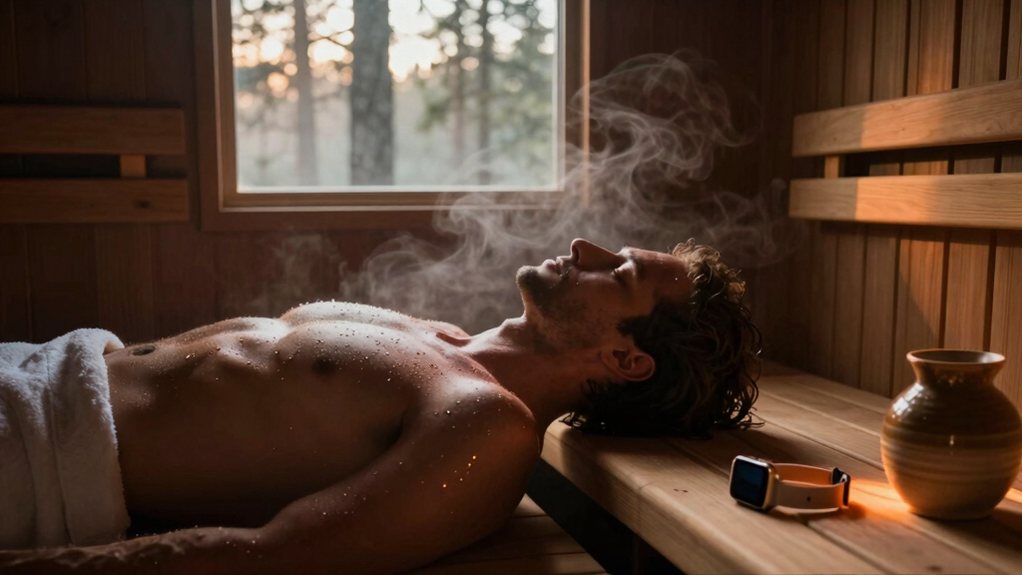
Since you’re trying to tame your cortisol, the clock on your wall matters just as much as the thermometer on the wall. Your body wakes up with cortisol already surging, so a morning sauna layers heat stress on top of that natural spike. Think of it like adding caffeine to an energy drink, great if you want alertness, but jittery if you’re already anxious.
Evening sessions work differently. Your cortisol naturally drops, and sauna heat nudges it down further, some studies show up to 29% reduction. It’s like flipping a switch from “go” to “slow.” Regular evening sauna use helps lower baseline cortisol levels over time, supporting deeper relaxation and recovery. This parasympathetic activation triggers your body’s rest-and-digest response, making evening sessions particularly effective for stress management.
Choose morning for energy and resilience training, evening for unwinding and sleep prep. Match your sauna to your goal, not only your schedule.
Does Adding Cold Plunge Change the Cortisol Effect?
If you’re already sweating it out in the sauna to lower your cortisol, you might wonder whether jumping into an ice-cold plunge afterward helps or hurts your progress. The answer depends on what you’re after.
Sauna for cortisol relief? The cold plunge after depends entirely on what you’re chasing—calm now or resilience later.
Here’s what actually happens:
- Cold water alone won’t spike your cortisol, studies show it stays flat or drops after you get out
- The combo can cut cortisol by nearly 30% when you alternate heat and brief cold exposure regularly
- You’ll feel alert first, relaxed later, like a workout that energizes you now and calms you after
Think of it like jumping into a pool: shocking at first, but your body adapts.
The cold adds a short stress burst that trains your system to handle pressure better over time. Research indicates that cortisol levels remain relatively unchanged during the initial shock of cold water, decreasing below initial levels within an hour after immersion. This pattern mirrors hormetic stress principles, where brief stress exposure strengthens your body’s long-term resilience.
For immediate calm, finish with heat; for resilience, welcome the contrast.
When Sauna Backfires: Who Should Skip It for Stress Health
Saunas work wonders for many people’s stress levels, but they aren’t a free pass for everyone. If you’ve had a heart attack in the past six months, your heart might struggle with the heat like an overworked engine. Skip the sauna, too, if you’re dealing with infections, recent surgery, or active cancer treatment, your body needs rest, not extra stress.
Pregnant? The first trimester is especially risky for your baby. Dehydration, dizziness, or fainting spell danger for you both. Even high blood pressure requires your doctor’s okay first.
Think of sauna heat like a demanding workout: if your body isn’t ready, it backfires. Always check with your healthcare provider before stepping in. Your stress relief shouldn’t become a health hazard.
Frequently Asked Questions
How Long Until Cortisol Drops After Sauna?
You’ll typically see cortisol start dropping within 15 to 20 minutes after your sauna session ends.
With fuller relaxation effects developing over the following hour as your body cools and recovers.
Can Sauna Worsen Adrenal Fatigue Symptoms?
Yes, sauna can temporarily worsen your adrenal fatigue symptoms since heat stress initially raises cortisol and physiological strain.
You’ll feel more fatigued if you’re already stressed, dehydrated, or heat-sensitive.
Does Sauna Type Affect Cortisol Differently?
Yes, sauna type affects cortisol differently. Dry Finnish saunas typically raise cortisol acutely, especially if you’re unconditioned, while infrared saunas are marketed for lowering cortisol, but that claim lacks strong clinical backing compared to dry sauna research.
Should I Eat Before or After Sauna for Cortisol?
You can eat before or after. Meal timing matters less for cortisol than staying hydrated and recovering well.
Focus on moderate sessions, proper hydration, and consistency rather than strict eating schedules.
How Does Sauna Compare to Meditation for Stress?
Sauna relaxes your body faster through heat and muscle release, while meditation trains your mind for calm and emotional control.
You’ll get the most complete stress relief by combining both practices regularly.
Final Thoughts
You now know saunas can spike your cortisol short-term, but regular use actually trains your stress system to chill out faster, like a muscle getting stronger with practice.
Morning sessions work best for most people, and cold plunges afterward keep things balanced. Just skip it if you’re already burned out, since more heat stress won’t help. Listen to your body, start slow, and you’ll likely find sauna time becomes your favorite reset button.