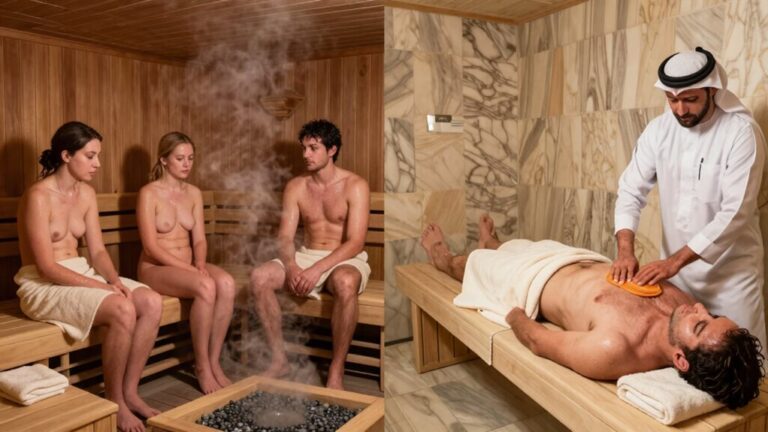
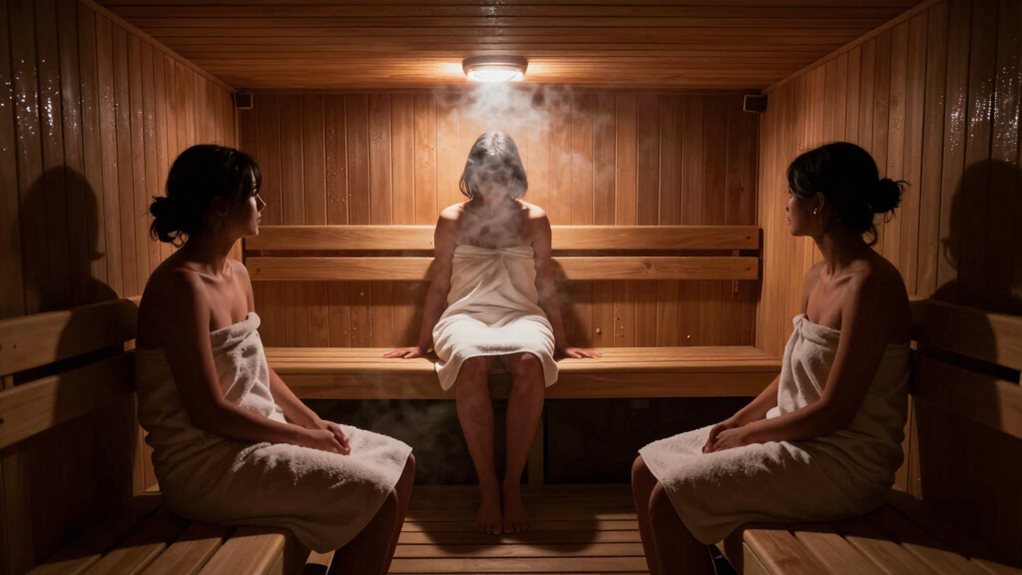

When you enter a steam room or sauna, you’re stepping into a unique psychological space. The heat shifts your brain into theta waves, creating calm similar to meditation. Without conversation, you form deeper connections through shared vulnerability and silent presence. Your body releases mood-boosting chemicals while social barriers dissolve in the warm environment. This judgment-free zone allows your inner voice to emerge clearly. The quiet communal experience offers benefits that extend far beyond simple relaxation.
The Theta Wave State: How Heat Unlocks Mental Clarity
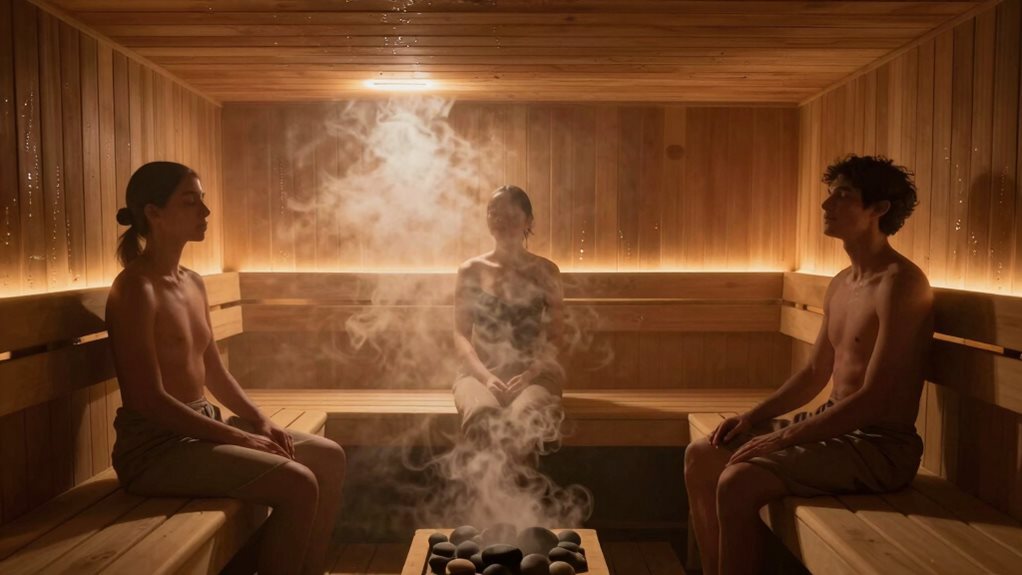
When you step into a sauna or steam room, your brain begins a fascinating shift that scientists call the theta wave state. This special brainwave pattern, measuring between 4-8 Hz, creates the perfect environment for mental clarity and deep relaxation.
As heat envelops your body, your brainwaves naturally slow down from the busy beta state of normal consciousness to the calmer theta waves. This is the same mental state you experience during meditation, right before falling asleep, or upon waking. Your mind becomes more receptive, creative, and open to new connections.
That’s why great ideas often pop up during your sauna session!
The heat doesn’t just relax your muscles—it releases your subconscious mind, making it easier to release stress, process emotions, and access creative insights you might miss in everyday thinking.
Silent Communion: Bonding Without Words
You’ll notice something remarkable happens when you sit silently with others in the heat—connections form without a single spoken word.
Through shared body language, synchronized breathing, and comfortable silence, you build trust that’s often deeper than what conversation creates.
This wordless connection taps into an ancient form of human bonding where your simple presence, vulnerability, and nonverbal cues speak volumes about acceptance and belonging.
Wordless Trust Formation
Within the quiet atmosphere of steam and sauna spaces, trust develops through a silent language all its own, creating bonds that often run deeper than those formed through conversation.
When you share this physical space repeatedly with others, your proximity naturally builds understanding without words. The steam room’s liminal nature—a place between everyday reality and deep relaxation—creates the perfect environment for wordless rapport to flourish.
You’ll notice how the design of these spaces, with their comfortable seating arranged in circles or tiers, naturally encourages longer stays and casual eye contact.
This physical setup helps foster community without requiring discussion. Your continued presence, week after week, silently communicates commitment to the shared experience, gradually strengthening ties with fellow sauna-goers through nothing more than peaceful coexistence.
Shared Vulnerability Heals
Vulnerability in the steam room creates a unique form of silent communion that heals both mind and body.
When you sit quietly among others, sharing the same peaceful experience, your body actually produces less cortisol and more oxytocin, the bonding hormone that reduces inflammation and supports your heart health.
This shared space, where everyone is equally exposed in swimwear and steam, naturally breaks down social barriers.
You’ll notice your fear centers calming down as your brain rewires through this safe sharing environment.
Without saying a word, you’re building psychological safety and a sense of belonging with strangers.
Research by Brené Brown confirms that these moments of authentic vulnerability foster deeper connections and empathy, allowing you to experience a form of healing that doesn’t require conversation—just presence.
Presence Trumps Conversation
In the steam room’s misty hold, true connection often happens without a single word exchanged. Your mere presence, sitting quietly beside someone, creates deeper bonds than casual conversation ever could.
When words fall short, especially during difficult moments, simply being there communicates support more powerfully than any hastily chosen phrase.
The silent communion of shared steam space builds trust through:
- Mirrored body language that unconsciously creates harmony
- Facial expressions and gestures that convey empathy without verbal explanation
- Comfortable silence that allows full presence and reflection
You’ll notice that in these steamy sanctuaries, nonverbal cues dominate – the knowing glance, the relaxed posture, the synchronized breathing.
This quiet togetherness fosters genuine connections as you share vulnerability through simply being present, not through what you say.
Heat as Emotional Catalyst: Processing Feelings in Steam
Steam and heat operate as powerful catalysts for emotional processing, affecting both the mind and body in ways that can make feelings more accessible.
When you sit in a steam room, your body temperature rises, triggering changes in your brain chemistry that can lower your emotional barriers. You’ll notice your attention turning inward as the heat relaxes your muscles and slows your breathing.
This physiological response isn’t just relaxing—it creates an ideal environment for processing emotions that might otherwise stay buried.
The quiet atmosphere, combined with the physical sensations of warmth and perspiration, helps you focus on what you’re truly feeling. Your body’s natural response to heat can temporarily reduce your cognitive defenses, allowing emotions to surface in this safe, contemplative space where introspection happens naturally.
The Neuroscience of Warmth and Well-Being
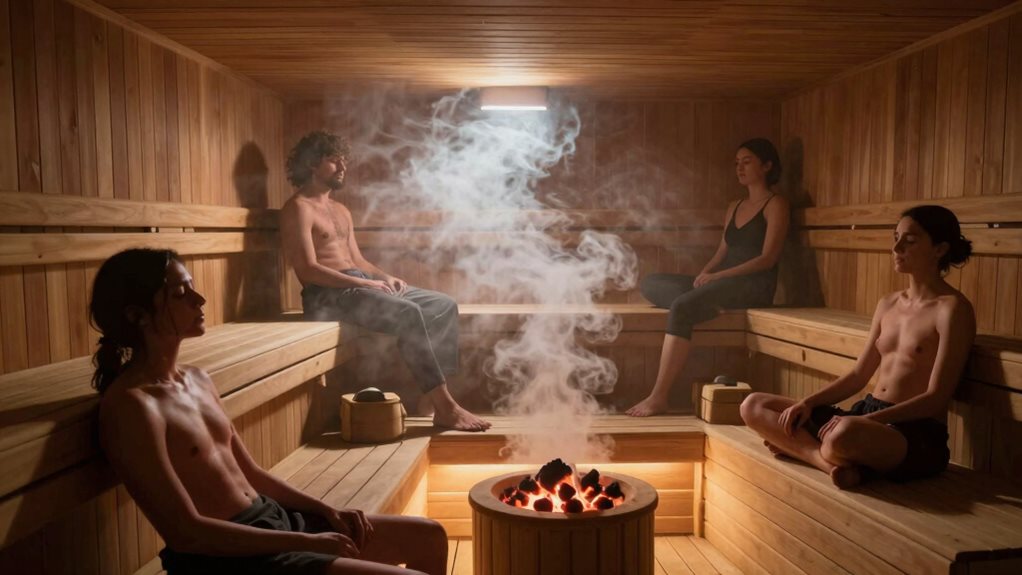
Your brain responds powerfully to warmth, activating chemical messengers that lift mood and reduce stress when you sit in a sauna.
These heat-triggered changes include increases in endorphins, serotonin, and dopamine—the same feel-good neurotransmitters released during exercise or while eating chocolate.
The skin-to-brain connection formed in early childhood continues throughout life, allowing thermal experiences to directly influence your emotional state and cognitive processing in ways that explain why warmth often feels so comforting and clarifying.
Brain Under Heat
When your body encounters the enveloping warmth of a sauna or steam room, your brain undergoes fascinating neurological changes that affect everything from temperature regulation to cognitive function.
Your hypothalamus—your internal thermostat—springs into action, with special heat-sensitive neurons working overtime to help your body adjust to the higher temperatures.
Here’s what happens in your brain during heat exposure:
- Your neurons initially respond by either increasing or decreasing their firing rates, helping your body adapt to the new temperature.
- With prolonged heat exposure, specialized cells in your brain form a “neuronal barrage” that builds heat tolerance.
- Without proper acclimatization, excessive heat can impair your attention, reaction time, and emotional regulation.
This explains why you might feel mentally refreshed after moderate sauna sessions but foggy if you stay too long.
Neurochemical Transformation Process
Beyond the immediate physical effects of heat on the brain, a remarkable neurochemical dance unfolds during sauna and steam room sessions. When you relax in the warmth, your brain releases dopamine, creating waves of pleasure that strengthen positive memories through the amygdala and hippocampus.
At the same time, oxytocin flows through your system, especially during communal sauna experiences, boosting feelings of gratitude and serenity. Your brain’s hedonic hotspots light up as opioids and endocannabinoids amplify your enjoyment of the heat.
With regular visits, you’re actually changing your brain’s structure. Gray matter increases in your prefrontal cortex, your insula thickens, and your hippocampus grows—all supporting better emotional regulation and self-awareness.
Even small temperature rises alter how your neurons fire, creating unique states of consciousness in these heated sanctuaries.
Warmth-Cognition Connection
The human brain forms a remarkable relationship with warmth that extends far beyond simple temperature detection. When you enter a steam room or sauna, the heat you feel activates specific neural pathways connecting your skin directly to brain regions responsible for emotions and social bonding.
This warmth-cognition connection helps explain why these spaces often feel so psychologically comforting.
Three key aspects of this warmth-brain connection include:
- Warmth signals travel from skin to emotional brain centers, enhancing feelings of security and connection.
- Heat exposure within comfortable ranges promotes relaxation and reduces stress reactivity.
- Shared warm environments subtly increase group cohesion through embodied thermal signaling.
Your experience of warmth isn’t just physical comfort—it’s a neurological pathway to emotional well-being, explaining why steam and sauna traditions worldwide share similar psychological effects.
Finding Your Inner Voice in Shared Stillness
Why do steam rooms and saunas so often bring forth our most profound thoughts? It’s not merely the heat—it’s the unique social setting that creates perfect conditions for your inner voice to emerge.
When you’re surrounded by others who are quietly breathing and relaxing, your brain receives powerful signals that it’s safe to turn inward. The gentle warmth reduces your defensive reactions, while the lack of conversation removes pressure to perform socially.
You’ll notice that without screens or distractions, your mind can follow longer, uninterrupted thought patterns. The shared vulnerability of heat creates an equalizing effect, making everyone present feel like equals regardless of status outside those walls.
Your body’s response—slower breathing, endorphin release, relaxed posture—further invites deep reflection in this communal cocoon of quiet.
Body Neutrality: Freedom From Judgment in Communal Heat
Steam rooms and saunas offer a remarkable opportunity for body neutrality, creating environments where your physical self can exist without the burden of constant judgment.
In these communal heat spaces, you can practice accepting your body as it is—not beautiful or ugly, but simply functional and present.
When you welcome body neutrality in steam rooms and saunas, you’ll experience:
- Freedom from appearance concerns, allowing you to focus on sensations rather than how you look
- Respect for your body’s capabilities as it regulates temperature and relaxes in the heat
- Reduced comparison with others, creating space for genuine connection instead of silent competition
This mindful approach helps you detach self-worth from appearance, easing anxiety about exposed skin while fostering appreciation for what your body accomplishes in these healing environments.
The “Totonou” Effect: Psychological Transformation Through Temperature
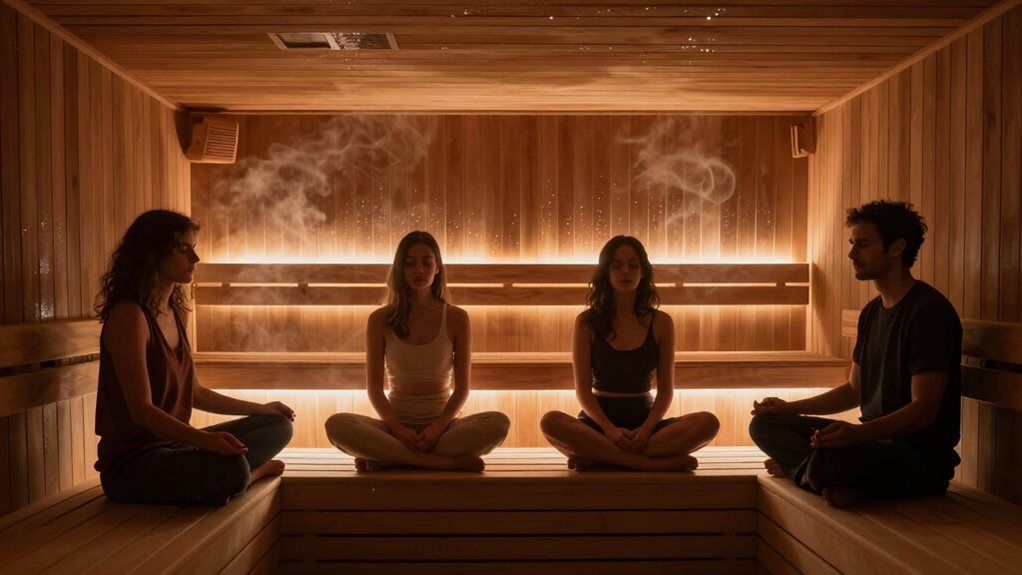
When your body shifts from intense heat to shocking cold and finally to restful calm, a profound neurological transformation known as “totonou” begins to unfold. This Japanese-originated state isn’t just about feeling good—it’s reshaping your brain activity.
Your theta and alpha brainwaves increase, creating a unique mental state where attention-related processes decrease while pre-attentional awareness improves. You’ll notice faster response times and a deep sense of happiness as your brain releases beta-endorphins and serotonin.
The three-part cycle of sauna, cold plunge, and rest triggers this transformation. Your body responds by boosting circulation, sending oxygen-rich blood to your brain, and increasing BDNF, which repairs brain cells.
You’re experiencing a scientifically measurable state that combines relaxation, mental clarity, and euphoria—a harmonious balance that resets your mental well-being.
Vulnerability and Trust in the Shared Heat Experience
Sitting side by side in the intense heat of a sauna creates a unique social environment where traditional barriers melt away like the tension in your muscles.
In this shared vulnerability—often wearing minimal clothing while sweating profusely—you’re participating in a ritual that naturally builds trust. The physical discomfort everyone endures together creates an unspoken bond.
When we sweat together, we connect. Our shared discomfort dissolves barriers, creating trust through mutual vulnerability.
When you enter the sauna space, three psychological shifts occur:
- Your defenses lower as the heat makes maintaining social masks too exhausting.
- Shared discomfort creates immediate common ground, fostering connection.
- The quiet, contemplative atmosphere encourages authentic expression when conversation does arise.
This shared experience of vulnerability transforms strangers into companions, as you collectively surrender to the heat in a judgment-free zone where everyone’s simply human.
Building Stress Resilience Through Regular Heat Rituals
Though heat rituals like saunas and steam baths have been enjoyed for centuries, modern science now confirms what traditional wisdom long suspected—regular exposure to intense heat builds remarkable resilience to life’s stresses.
Your body adapts in fascinating ways: your heart gets stronger, blood vessels become more flexible, and special protective proteins activate inside your cells.
You’ll notice your body becomes better at handling heat over time, with lower heart rates and less discomfort during each session. The benefits extend beyond the sauna room too.
Your sleep improves, mood-boosting brain chemicals increase, and inflammation decreases. Even your autonomic nervous system becomes more balanced, helping you recover faster from daily pressures.
It’s like you’re training your body’s stress response system, creating both physical and mental toughness that serves you well in everyday life.
Frequently Asked Questions
Can Claustrophobia Be Overcome Through Gradual Sauna Exposure Therapy?
Yes, you can overcome claustrophobia through gradual sauna exposure. It mimics systematic desensitization, activates your parasympathetic system, and builds stress tolerance while teaching your body healthy responses to confined spaces.
How Do Digital Sauna Timers Affect the Psychological Benefits of Sessions?
Digital timers disrupt your mental relaxation by creating anticipation, fragmenting mindfulness, and shifting focus from intuitive well-being to mechanical tracking—ultimately diminishing theta state benefits and natural emotional processing.
Are There Cultural Differences in Psychological Responses to Sauna Rituals?
Yes, you’ll experience distinct psychological responses across cultures. Finns value silent renewal, Russians adopt social venik rituals, while Indigenous practices emphasize spiritual odysseys through ceremonial darkness and purification.
Can Sauna Sessions Help With Specific Trauma Processing Techniques?
Yes, you’ll find sauna sessions complement trauma processing by reducing hyperarousal, activating parasympathetic responses, and creating favorable neurophysiological states for somatic experiencing, exposure work, mindfulness, and EMDR interventions.
Do Age-Related Differences Exist in Psychological Sauna Benefits?
Yes, your sauna benefits vary with age. You’ll experience stronger cognitive protection as you’re older, while younger users often report more pronounced mood elevation and endorphin-related euphoria.
Final Thoughts
You’ve now discovered the profound impact of quiet in shared steam and sauna spaces. When you honor this silence, you’re not only relaxing—you’re entering a unique psychological state where clarity emerges, emotions process, and connections form without words. By making heat bathing a regular practice, you’ll build resilience and find a rare form of community that respects both togetherness and introspection. It’s a timeless ritual that heals both mind and body.