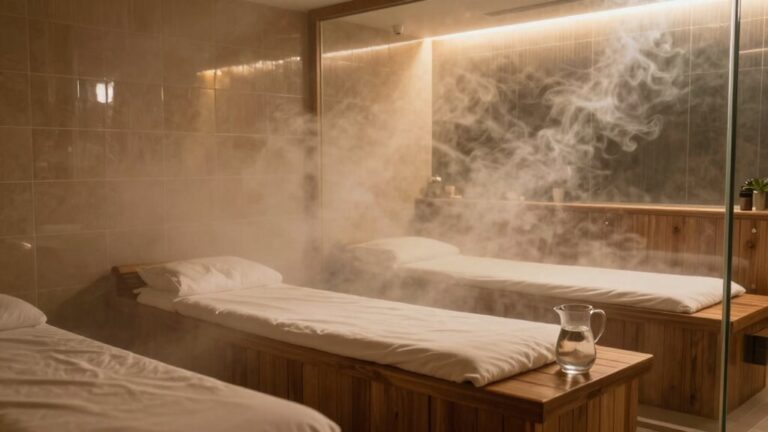
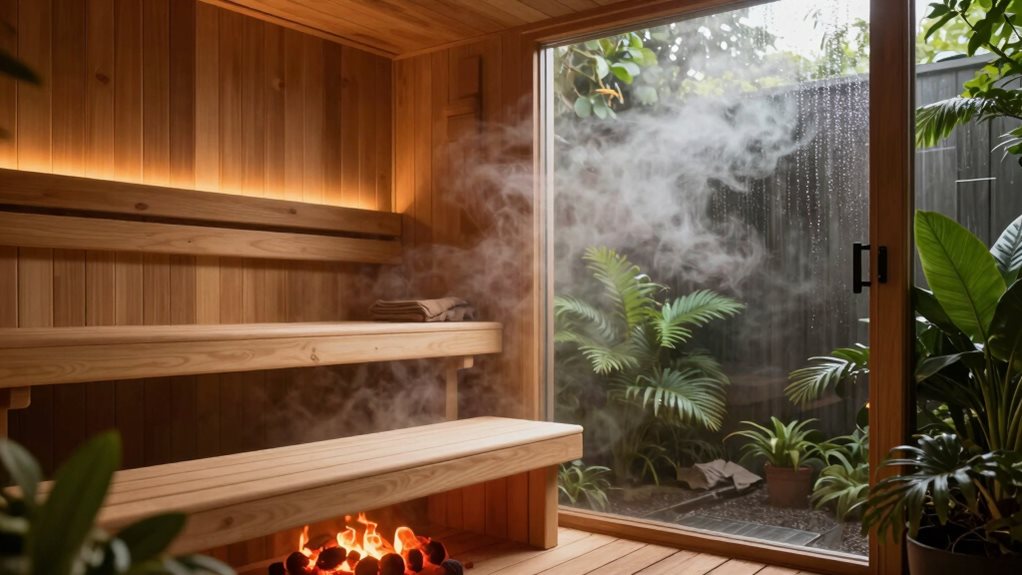

Deciding between a sauna and a steam room really comes down to your personal preference for heat. Saunas give off dry heat, while steam rooms provide a humid, warm environment. Both have great health benefits, like improving heart health and relaxing sore muscles. If you love the feeling of moisture in the air, steam rooms might be your go-to. However, if you prefer dry heat and sweating out toxins, saunas are the way to go. Discover more about these options!
Temperature and Humidity Differences
When you step into a sauna or steam room, you’ll notice they feel quite different, and that’s all thanks to their temperature and humidity levels.
Saunas typically operate at much higher temperatures, between 150 and 195°F, with electric saunas usually set around 170-185°F. In contrast, steam rooms maintain a cozy 110-120°F. This difference makes the humid heat of steam rooms feel more intense, as the moisture impacts your body’s sensation of heat. While saunas offer dry heat with just 10-20% humidity, steam rooms stay at a consistent 100% humidity, creating a wet environment. Sauna humidity levels fundamentally, saunas dry your skin while steam rooms keep it moist, giving you different experiences to enjoy. Additionally, the health benefits of saunas include improved cardiovascular health and lower stroke risk.
Cardiovascular Benefits
Both saunas and steam rooms offer impressive cardiovascular benefits that can improve your heart health. When you step into either, your heart rate increases, mimicking aerobic exercise.
Here are some key benefits you can enjoy:
- Heart Rate Boost: A dry sauna can raise your heart rate to between 100-160 beats per minute, while a steam room can push it up to 138 BPM.
- Blood Pressure Management: Regular sauna use can lower systolic blood pressure from 137 to 130 mmHg, supporting your heart’s efficiency. Additionally, steam rooms elevate heart rate to a level that also promotes heart health.
- Vascular Health: Both heat therapies improve blood flow and arterial flexibility, reducing cardiovascular risks over time. Notably, frequent sauna use can lead to reduced risks of fatal cardiovascular events, further enhancing heart health.
Adding either to your routine can improve your overall cardiovascular performance and well-being!
Muscle and Joint Recovery
Using a sauna or steam room can be a fantastic way to speed up muscle and joint recovery after a tough workout. Steam rooms use moist heat, which helps relax your muscles faster and reduce soreness. You might feel less tightness right after a session compared to using a sauna. Additionally, steam rooms facilitate improved circulation, which enhances oxygen delivery to recovering tissues. Furthermore, this increased blood flow promotes faster repair and removal of waste products causing soreness.
On the other hand, saunas, with their dry heat, boost heat shock proteins that aid in muscle repair and reduce oxidative stress. Both options improve blood flow, delivering oxygen and nutrients to tired muscles. They also help clear out waste products.
Respiratory and Skin Advantages
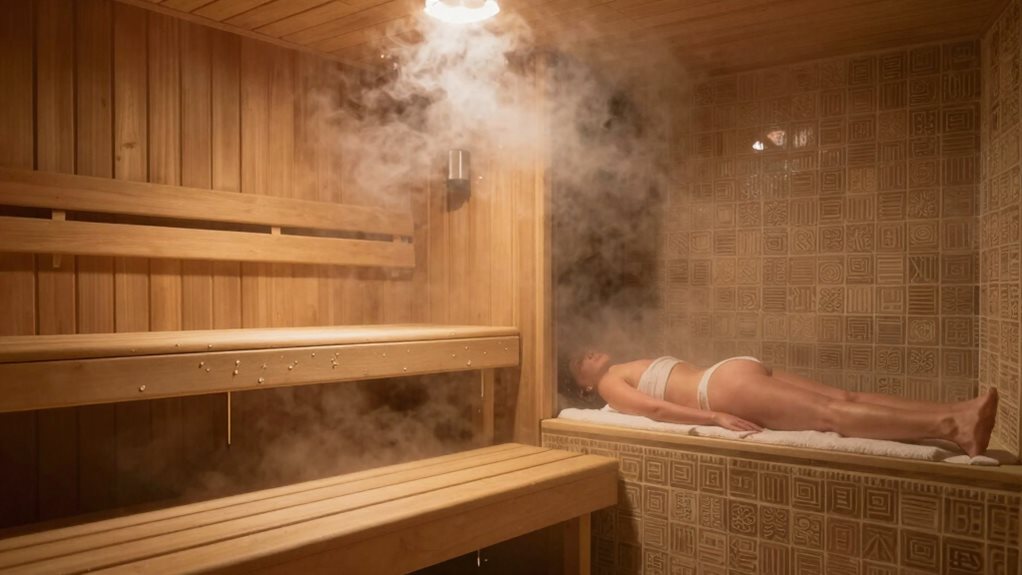
After a tough workout, saunas and steam rooms can help with muscle recovery, but they also offer some fantastic benefits for your respiratory health and skin.
After an intense workout, saunas and steam rooms aid muscle recovery while enhancing respiratory health and skin wellness.
- Respiratory Relief: Steam rooms excel with high humidity, relieving asthma and bronchitis symptoms by opening airways and loosening congestion. Additionally, respiratory disease can be impacted positively by the moist heat that steam rooms provide.
- Deep Skin Hydration: The moisture in steam rooms keeps your skin hydrated, opening pores and promoting natural moisture.
- Circulation Boost: Both options improve blood flow to your skin, but steam’s humid air hydrates more effectively while saunas are great for detoxification through sweating.
Mental Health and Stress Reduction
While you might think of saunas and steam rooms solely as places to relax after a workout, they also play an important role in boosting mental health and reducing stress.
The heat from both environments promotes the release of endorphins, those feel-good hormones that help enhance your mood. Spending time in a steam room can lower cortisol levels, leading to a more relaxed state, while sauna sessions can improve your sleep quality and reduce symptoms of anxiety and depression. Additionally, regular sessions can contribute to lowering blood pressure, which can further enhance your sense of well-being and relaxation. Regular use of either heat therapy can also aid in reducing muscle soreness post-workout, leading to a more refreshed and positive mindset.
Regular visits can even increase your stress tolerance, making those tough days feel a bit easier. If you lead a high-stress life, these warm, soothing spaces can provide a much-needed retreat to rejuvenate your mind and spirit.
Overall Superiority Evidence
When it comes to overall health benefits, saunas often come out on top.
They not just improve your cardiovascular health by lowering blood pressure and cholesterol, but they also help your muscles recover from workouts and boost skin health through intense sweating.
While steam rooms provide respiratory relief and hydration, saunas’ extensive advantages make them a strong contender in the wellness game.
Cardiovascular Health Benefits
Saunas and steam rooms both offer some fantastic cardiovascular health benefits, but the sauna really takes the lead.
If you’re looking to improve your heart health, here are three reasons why the sauna might be your best bet:
- Heart Rate Boost: Saunas raise your heart rate to between 100-160 beats per minute, simulating the effects of exercise!
- Blood Pressure Benefits: Regular sauna use can lower both systolic and diastolic blood pressure, promoting a healthier heart.
- Cholesterol Reduction: Saunas help eliminate cholesterol through sweating, which can improve your overall cardiovascular health.
With these advantages, it’s clear that regularly relaxing in a sauna not merely feels good but can also keep your heart ticking strong!
Muscle Recovery Effects
Imagine wrapping yourself in warmth after an intense workout—sounds delightful, right?
Both saunas and steam rooms can help your muscles recover, but saunas often hold the edge. Using a sauna boosts your body’s heat shock proteins, like HSP70. These proteins help repair your muscles and reduce soreness.
Studies show sauna use can improve your range of motion and lessen delayed-onset muscle soreness after tough workouts. The dry heat of a sauna also promotes better blood flow, delivering nutrients and oxygen to your muscles faster.
While steam rooms make you feel cozy and can relieve stiffness, they may not provide as notable a muscle recovery benefit compared to saunas.
Respiratory and Skin Care
After you’ve tackled a tough workout, your body might feel amazing, but your skin and breathing could use a little TLC, too!
When considering respiratory and skin care, steam rooms come out on top. Here’s why:
- Respiratory Relief: The moist air in steam rooms opens airways and clears congestion, providing instant relief, especially for colds and allergies.
- Deep Skin Hydration: With 100% humidity, steam rooms profoundly hydrate your skin, making it soft and healthy. They also help detoxify by opening your pores.
- Overall Benefits: Steam rooms excel in both breathing and skin care compared to saunas. They improve lung function and nourish dry skin better than dry heat.
Frequency and Duration of Use
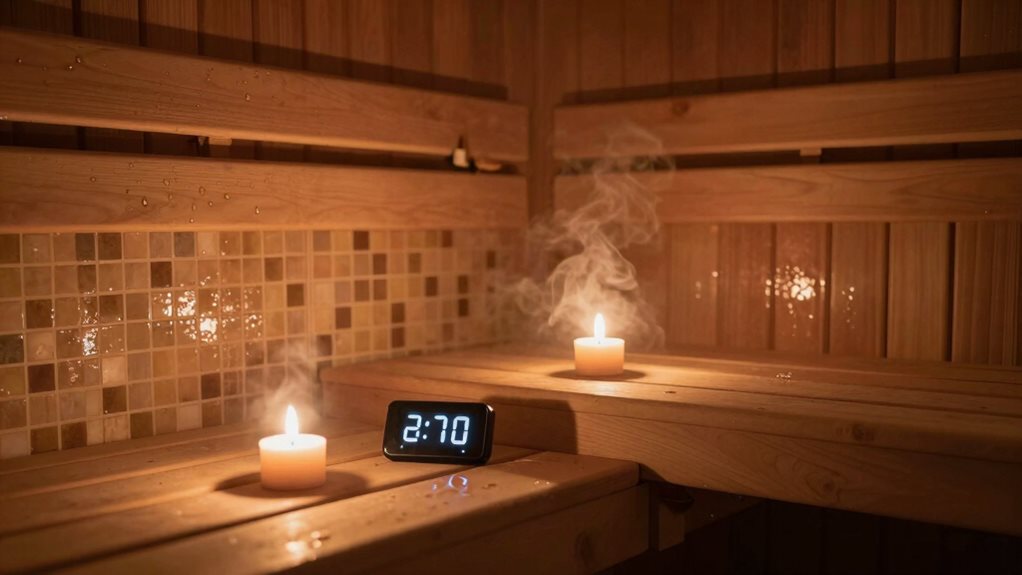
When you’re ready to relax in a sauna or steam room, understanding how often and for how long to use them is key to making the most of your experience.
For traditional saunas, aim for sessions of 15–20 minutes, while infrared saunas allow 20–45 minutes since they heat your body directly.
Steam rooms should be limited to 10–20 minutes to prevent overheating. If you’re new, start with 5–10 minutes and gradually increase your time.
You can also try intervals, like 15–20 minutes of heat followed by a cool-down.
For overall health, use a sauna 3–4 times a week and steam rooms 2–3 times weekly.
Always listen to your body and stay hydrated to enjoy your sessions safely!
Personal Preferences and Considerations
When choosing between a sauna and a steam room, your comfort with temperature plays a huge role.
If you enjoy dry heat and higher temperatures, then a sauna might be your best bet, but if you like warmer, humid air, a steam room could be more appealing.
Plus, consider any health conditions you have; some people benefit from the humidity of steam rooms, while others might prefer the dry atmosphere of a sauna for respiratory relief.
Temperature Tolerance Differences
While some people thrive in the sweltering heat of a sauna, others might prefer the soothing warmth of a steam room, showcasing just how personal temperature tolerance can be.
Your preference could depend on several factors:
- Heat Type: Saunas provide dry heat, which some find easier to tolerate at higher temperatures, while steam rooms deliver wet heat that may feel hotter, even at lower temperatures.
- Humidity Levels: The 100% humidity in steam rooms can make the air feel heavier, leading to quicker sweating and discomfort for some.
- Session Length: You might enjoy longer sessions in a sauna, while steam room visits tend to be shorter due to the intense buildup of heat.
Ultimately, understanding what suits you best can improve your relaxation experience!
Health Condition Considerations
Whether you’re looking to unwind after a long day or seek relief from a specific health condition, choosing between a sauna and a steam room can be a game-changer.
If you’re focusing on cardiovascular health, saunas can lower blood pressure and mimic the benefits of exercise, while steam rooms help improve circulation.
For respiratory issues, steam rooms are your go-to for decongesting and easing breathing.
When battling muscle soreness or joint pain, saunas offer deeper muscle relaxation, while steam rooms also ease these concerns, though slightly less intensely.
If skin health matters to you, steam rooms provide hydration, whereas saunas detoxify.
Ultimately, consider your personal needs; both options offer unique benefits that can improve your well-being.
Safety and Precautions
Using a sauna or steam room can be a wonderfully relaxing experience, but it’s essential to keep safety in mind. Here are some important precautions you should follow:
- Limit Your Time: Stay in for no more than 15-20 minutes, especially as a beginner. Start with just 5-10 minutes to build up your comfort level.
- Hydrate: Drink water before, during, and after your session to prevent dehydration. This is super important, especially after sweating a lot.
- Watch for Overheating: If you feel dizzy or lightheaded, exit immediately.
Cost and Accessibility
When it comes to setting up your own sauna or steam room, the initial costs can vary quite a bit.
You could snag an infrared sauna for as low as $2,500, while traditional saunas and steam rooms often start around $5,000 and jump up from there.
Plus, don’t forget about ongoing maintenance and operating costs, which can also add up depending on what you choose!
Initial Setup Costs
Setting up a sauna or steam room at home can cost anywhere from a couple of hundred dollars to tens of thousands, depending on what you choose.
Here’s a quick overview of the costs you might encounter:
- Sauna DIY Kits: You can find pre-cut kits for $3,000 to $15,000, or materials for a home sauna starting at $1,500. A portable sauna can be as low as $200!
- Steam Room Conversions: Transforming an existing shower will typically run you between $3,000 and $6,000, while the steam generator alone costs about $1,500 to $4,000.
- Prefab Units: Modular pre-built saunas and steam rooms range from $3,000 to $25,000, depending on size and features.
Budget wisely, and you’ll create the perfect relaxation spot!
Maintenance and Operating Expenses
Maintaining a sauna or steam room doesn’t just keep your relaxation space in top shape; it can also impact your wallet! When it comes to operating costs, saunas usually range from $25 to $45 monthly, while steam rooms typically run about $20 to $35.
However, an infrared sauna is more energy-efficient, costing as little as $0.15 per hour.
Routine maintenance is essential, with saunas needing wood surface wipes and heater inspections, while steam rooms demand more frequent cleaning due to humidity.
Annual maintenance costs vary widely, with saunas ranging from $100 to $400 and steam rooms from $200 to $500.
Be prepared for repairs too—steam generator replacements can hit your budget hard!
Frequently Asked Questions
Can I Use a Sauna and Steam Room on the Same Day?
Yes, you can use both a sauna and steam room on the same day. Just remember to alternate wisely, allow cooling periods, stay hydrated, and listen to your body to avoid dehydration or dizziness.
How Do Saunas and Steam Rooms Affect Hydration Levels?
Saunas and steam rooms both deplete hydration levels through sweating. You’ll lose water quickly, especially in steam rooms. It’s essential to rehydrate before and after sessions to avoid dehydration and maintain overall health.
Are There Any Age Restrictions for Using Saunas or Steam Rooms?
Yes, there are age restrictions. Generally, children under 12 can’t use saunas or steam rooms, while kids under 6 should avoid them. Always check specific facility guidelines for safety and supervision requirements.
Can I Use Essential Oils in Saunas or Steam Rooms?
Yes, you can use vital oils in both saunas and steam rooms. Just remember to use high-quality oils, dilute them appropriately, and limit the amount to avoid overpowering aromas or respiratory discomfort. Enjoy your session!
Do Saunas and Steam Rooms Have Different Health Benefits for Men and Women?
Saunas and steam rooms offer similar health benefits for both men and women. You’ll experience reduced inflammation and improved circulation in either one, but don’t expect distinct advantages based on gender—both provide valuable overall wellness effects.
Final Thoughts
In the end, whether you choose a sauna or a steam room depends on what you’re after. Saunas provide dry heat that’s great for relaxation and muscle recovery, while steam rooms offer moist air that’s fantastic for your skin and breathing. Both options bring unique benefits, so it’s your call! Just remember to listen to your body, stay hydrated, and have fun exploring the soothing world of heat therapy. Happy sweating!