


You might think steam rooms flush toxins from your body like a magic eraser, but your sweat mostly loses water and electrolytes.
Your liver and kidneys actually handle 90% of detox work through complex chemical processes you’ll never feel.
Steam rooms do boost circulation, clear your sinuses, and help you relax, which supports your body’s natural systems without replacing them.
Heavy metals appear in sweat, but you’d need marathon sessions for meaningful impact. Think of steam rooms as helpful assistants, not cleanup crews, and you’ll set realistic expectations that actually match what science shows.
There’s more to uncover about how heat therapy truly benefits your body.
Do Steam Rooms Really Detox Your Body?
When you step into a steam room and feel that warm, thick air wrap around you like a wet blanket, it’s easy to believe you’re literally sweating out last weekend’s junk food or city pollution.
But here’s what actually happens: your sweat glands do release some water-soluble toxins and tiny amounts of heavy metals, yet your liver and kidneys handle the heavy lifting. Think of sweating as your body’s backup cleanup crew, not the main janitor. Research from the 2011 BUS study found that certain toxins appeared in sweat even when undetectable in blood or urine, suggesting sweat may reveal body burdens missed by conventional testing.
Research shows steam rooms help mobilize fat-soluble chemicals, but there’s no gold-standard proof they deliver dramatic detox. You’re mostly losing water and electrolytes, which you’ll replace at the water fountain.
The real magic: improved circulation, clearer sinuses, and that refreshed feeling, benefits worth celebrating without the hype. Thermal therapy may help reduce systemic inflammation linked to chronic conditions, though steam’s specific effects require more research.
Why Your Liver and Kidneys Do the Real Detox Work
Your sweat might grab the spotlight, but your liver and kidneys are the unsung heroes working behind the scenes. Your liver runs a two-step cleanup operation: Phase I breaks down toxins using enzymes called cytochrome P450, while Phase II adds helper molecules that make waste water-soluble and safe to flush out. Think of it like a recycling plant that first sorts materials, then packages them for disposal. Once these conjugated metabolites are ready, Phase III transporters move them out of liver cells for elimination. Recent research from UC Irvine has revealed that the liver also produces nicotinic acid riboside, a molecule that travels through the bloodstream to help maintain energy balance in the kidneys.
Your kidneys act as the body’s quality control team, filtering your entire blood supply multiple times daily. They remove harmful byproducts like indoxyl sulfate and maintain your NAD+ levels, an energy molecule that keeps cells running smoothly.
Together, these organs process everything from last night’s dinner to environmental pollutants. No steam room can replicate this 24/7 biochemical teamwork.
What Steam Room Sweat Actually Removes (and What’s Hype)
So what exactly are you flushing out when you sit in that steamy room? Mostly water and electrolytes, sodium, potassium, magnesium, and calcium. You’re losing some urea too, but your kidneys handle that job far better. Research indicates that sauna exposure specifically elevates magnesium and calcium losses compared to exercise, though sodium, potassium, and chloride levels remain consistent across conditions.
Here’s where marketing stretches the truth. Heavy metals like nickel and lead actually leave your body faster through exercise sweat than steam room sitting. Studies show dynamic exercise produces markedly higher concentrations of these metals. Steam room sweat contains more water proportionally, making it less effective for this purpose. Trace metals such as mercury, arsenic, and cadmium can appear in sweat, but the quantities are minimal compared to what your primary detox organs eliminate.
Your body does adapt to regular sauna use, you’ll start sweating sooner and more efficiently, but don’t mistake this for superior detoxification. The real cleanup crew remains your liver and kidneys. Enjoy the steam for relaxation and circulation, not because you’re purging mysterious toxins.
Steam Room vs. Infrared Sauna: Which ‘Detoxes’ Better?
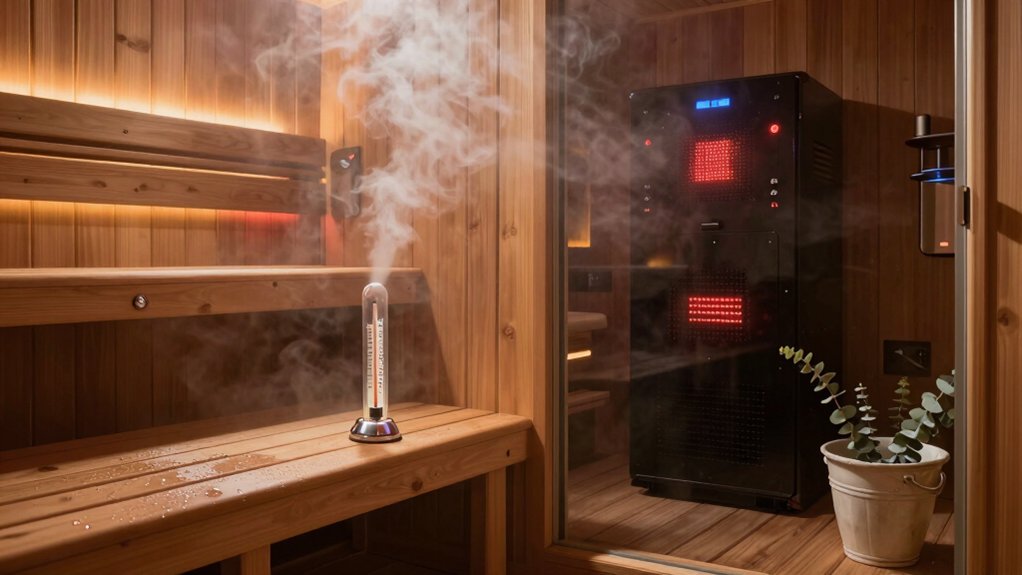
Walk into most wellness centers today, and you’ll face a choice: the misty warmth of a steam room or the gentle, penetrating heat of an infrared sauna. Both promise detox, but what’s the real difference?
You’ll sweat heavily in either. Steam comes from thick, moist air wrapping around you like a hot towel. Infrared comes from light waves sinking deep into your tissues at lower temperatures. Steam saunas typically operate at higher temperatures (110°F–120°F) to create their moisture-filled environment, while infrared saunas use lower heat (100°F–140°F) for a more tolerable experience.
Infrared marketers claim superior toxin release through deeper penetration, yet science hasn’t proven one flushes more impurities than the other. Your liver and kidneys handle actual detox; these rooms mainly support that process through sweating. Finnish research tracking over 2,000 men for two decades found that frequent sauna use four times weekly was linked to better cardiovascular health, blood pressure, and even reduced dementia risk—though this evidence comes from traditional sauna studies rather than infrared.
Choose steam if you crave that enveloping humidity and respiratory relief. Pick infrared for dry, tolerable heat you can endure longer. Your goals, not marketing, should guide you.
Heavy Metals in Sweat: What the Research Actually Shows
How exactly does your body purge heavy metals when you’re drenched in sweat? Research shows your sweat carries nickel, lead, copper, and arsenic at concentrations 10 to 30 times higher than your blood or urine.
When you run or cycle, you excrete markedly more of these metals than when you simply sit in a sauna. Lead hitches a ride with large molecules in your sweat, and endurance exercise boosts this process more than short, intense bursts. Cadmium also concentrates heavily in sweat, with some people excreting up to 35.8 micrograms per liter. Typical sauna sessions can result in a half-liter of sweat loss, potentially excreting toxins.
Curiously, mercury behaves differently. Your body releases it equally through exercise or sauna heat. So while sweating helps eliminate certain metals, your method matters, and results vary by element. Despite these measurable excretions, the overall contribution of sweating to total body burden reduction remains debated among researchers.
The Steam Room Detox Myths That Need to Die
You’ve probably seen flashy ads promising that steam rooms will flush every toxin from your body, but your organs deserve more credit than marketing gives them. Your liver and kidneys are the real detox powerhouses, working around the clock to filter waste, while sweat plays a much smaller supporting role than wellness influencers suggest.
Let’s clear up the myths so you can enjoy steam rooms for what they actually do, not what miracle cures claim they’ll be.
Toxin Elimination Reality
Where exactly do those “detoxifying” steam room claims come from, and why are they so hard to shake? Marketing loves a good buzzword, and “detox” sells everything from tea to towels.
Here’s the reality: your sweat isn’t a magic eraser for toxins. Your liver and kidneys do the heavy lifting, filtering waste like a busy recycling plant.
Sweat mainly cools you down, though it does carry trace amounts of some substances. Studies show heavy metals like cadmium and lead appear in perspiration, but you’d need marathon sauna sessions to make a real dent.
Think of steam rooms as supporting actors, not stars. They boost circulation and help your body’s natural processes work smoothly, but they won’t replace healthy habits.
For genuine detoxification, you’re better off drinking water, eating well, and letting your organs handle their jobs.
Organ Function Truth
Why do so many people believe a steam room can do their liver’s job for them? You’re not alone if you’ve heard this claim, but your liver handles 90% of toxin removal through metabolism and filtration.
Steam rooms don’t boost this capacity. Your kidneys filter blood and excrete toxins through urine, dwarfing anything sweat accomplishes.
While heat improves circulation and oxygen delivery, it doesn’t replace your organs’ work. Think of steam like a supportive friend, not a substitute worker.
Your lungs clear volatile toxins naturally; steam only loosens mucus. Your skin sweats mainly for temperature control, not detox.
The real benefit? Reduced cortisol and inflammation indirectly support organ health. Steam complements healthy habits, but it won’t replace your body’s built-in cleanup crew.
Where Steam Rooms Actually Help: Your Lungs
When you step into a steam room, your lungs get a welcome break that no detox tea can match.
The warm, humid air works like a gentle internal massage, loosening thick mucus so you can finally clear that stuffy nose or chest congestion.
You will breathe easier as your airways open up, letting air flow more freely than before you walked in.
Mucus Clearance
Ever wondered why your nose starts running the moment you step into a steamy bathroom? That’s mucolysis in action, and steam rooms crank it up a notch.
Warm, humid air works like a charm on thick, stubborn mucus. Picture concrete turning into honey, that’s what happens to the gunk clogging your airways.
The moisture thins it out, while heat widens your blood vessels, boosting oxygen delivery to your lungs. Your body’s natural cleanup crew, the cilia, get moving faster too, sweeping mucus out more efficiently.
Research backs this up: studies show steam clears mucus and improves breathing, especially before bedtime. While it won’t cure your cold or kill viruses, you’ll likely breathe easier and cough more productively.
For chronic sinus issues, pairing steam with gentle movement works even better.
Airway Opening
How does it feel when you finally catch your breath after a tough workout? That relief mirrors what happens when warm steam opens your airways.
Moist heat acts like a gentle expander for your breathing passages. When you inhale steam, the heat widens blood vessels in your nose and sinuses through vasodilation, think of it as unclogging a narrow hallway so more people can walk through. This increased blood flow reduces congestion and helps oxygen reach your lungs more easily.
The steam also hydrates your mucous membranes, similar to how a dry sponge softens in water. Studies show 15 minutes of daily steam exposure for two weeks improves airflow for people with asthma and bronchitis.
Your breathing shifts from rapid and shallow to slow and deep, bringing genuine relaxation alongside easier breathing.
Steam Room Heart Benefits (Beyond the Detox Hype)
Why let the detox crowd have all the fun? Your heart actually gets a real workout in the steam room, no sweating out “toxins” required.
When you sit in that heat, your blood vessels widen like a garden hose unkinking, dropping your blood pressure from 137/82 down to 130/75 after just 30 minutes.
Regular sessions work even better, think of it as practice for your arteries, keeping them flexible and springy instead of stiff like old rubber bands.
Your heart rate climbs, mimicking light exercise without moving a muscle. Combine steam with actual workouts, and you boost your fitness an extra 2.7 mL/kg/min, like getting bonus points for something you already enjoy.
Four to seven weekly sessions? Those cut your risk of sudden cardiac death significantly.
How Long to Stay in a Steam Room (And Why It Matters)

You’re probably wondering exactly how long you should stay in that steamy room to get the good stuff without overdoing it.
The sweet spot depends on your experience, hydration habits, and how your heart handles the heat.
Let’s break down the timing that keeps you safe while still scoring those detox and cardiovascular perks.
Optimal Session Duration
Perhaps you’re wondering exactly how long you should sit in that cloud of warm mist before it stops helping and starts hurting. You’re not alone, this question trips up even regular spa-goers.
Science points to a sweet spot that balances benefits with safety:
- Beginners: Start with 5-10 minutes, like dipping your toes before diving in
- Regular users: Aim for 15-20 minutes for optimal detox and stress relief
- Maximum safe limit: Stay under 30 minutes to avoid dehydration and heat exhaustion
- Cardiac bonus: Hitting 19+ minutes cuts sudden cardiac death risk by 52%
- Weekly goal: Four to seven 20-minute sessions drop cardiovascular mortality by half
Your body sends signals when you’ve had enough, dizziness, nausea, or pounding heart mean exit immediately. Build tolerance gradually, and you’ll reap rewards without the risks.
Hydration Timing Essentials
When exactly should you drink water to get the most out of your steam room time? Think of hydration like fueling your car before a road trip, you wouldn’t wait until you’re stranded on the highway.
Drink water before you step inside. This primes your body, keeping your blood volume steady and your cooling systems ready.
Skip the pre-session beer; alcohol dries you out faster than a desert wind.
Sip during your session if you can, especially since steam rooms crank up your sweat rate. Your skin stays happier in moist heat, but you’re still losing fluids.
Afterward, refill the tank. Your blood volume bounces back within an hour with proper fluids, helping your heart and blood pressure recover smoothly.
Cardiovascular Safety Limits
The sweet spot for your steam room session isn’t just about comfort, it’s a matter of heart health. Your heart rate climbs like you’re exercising, so overstaying can strain your cardiovascular system.
Here’s what you need to know about safe limits:
- Keep sessions between 11–19 minutes for optimal heart protection
- Going beyond 19 minutes actually increases sudden cardiac death risk
- Your heart can hit 150 beats per minute, matching a moderate workout
- Temperatures under 70°C won’t trigger health benefits, but over 100°C damages cells
- If you’ve had a recent heart attack or unstable angina, skip the steam room entirely
Think of it like baking cookies: too little heat leaves them doughy, too much burns them. Your cardiovascular system works the same way.
Respect these boundaries, and you’ll reap the rewards without the risks.
How to Use Steam Rooms in a Real Detox Plan
Why wander into a steam room without a plan when you can turn those sweaty minutes into a genuine health boost? Start by prepping your body like you’re tuning an instrument. Drink 16-32 ounces of water beforehand, check that your urine is pale yellow, and eat a light meal an hour or two prior. Exfoliate and shower lightly to clear your skin’s surface.
Once inside, wear minimal clothing and stay for 10-20 minutes, monitoring how you feel. Beginners should start shorter, building tolerance like training for a race. Breathe deeply to clear your lungs, and exit immediately if discomfort strikes.
Afterward, cool off with a brief shower, drink electrolyte-rich fluids, and nibble antioxidant-packed berries. Limit sessions to 1-3 times weekly, pairing them with balanced meals and regular exercise for your liver and kidneys to truly thrive.
Frequently Asked Questions
Can Steam Rooms Cure Hangovers Faster?
Steam rooms don’t cure hangovers, but they help you recover faster. You’ll boost circulation, ease headaches, relax muscles, and sweat out toxins.
Just hydrate well before and after to avoid worsening dehydration.
Should I Drink More Water Before or After?
You need more water after, but don’t skip pre-hydration either. Drink 16-20 ounces beforehand, then replace every pound lost with 16-24 ounces post-session.
Your body loses fluid rapidly, so both timing windows matter equally.
Do Steam Rooms Help With Drug Withdrawal?
You may find temporary relief from withdrawal symptoms like anxiety, muscle cramps, and sleep issues, but steam rooms don’t directly detoxify drugs. Your liver and kidneys handle that elimination process naturally.
Can Pregnant Women Use Steam Rooms Safely?
You can use steam rooms briefly during pregnancy if you’re cautious. Limit sessions to 10 minutes, stay hydrated, and exit immediately if you feel overheated or dizzy. Always consult your doctor first.
Will Steam Rooms Improve My Skin Permanently?
Steam rooms won’t permanently improve your skin. You’ll get temporary benefits, softened sebum, better hydration, and a glow, but pores don’t change permanently.
You’ll need regular sessions and proper follow-up skincare to maintain results.
Final Thoughts
You’ve learned that steam rooms won’t magically cleanse your body, your liver and kidneys handle that heavy lifting. Still, you’ll breathe easier, boost your circulation, and genuinely relax.
So go ahead, enjoy that steam, but keep your expectations grounded in science, not spa slogans. Your sweat’s mostly water and salt, not toxins, and that’s perfectly okay. Treat steam sessions as self-care, not a detox cure, and you’ll walk out feeling refreshed for all the right reasons.